Fed split over $700B AI buildout inflation risk
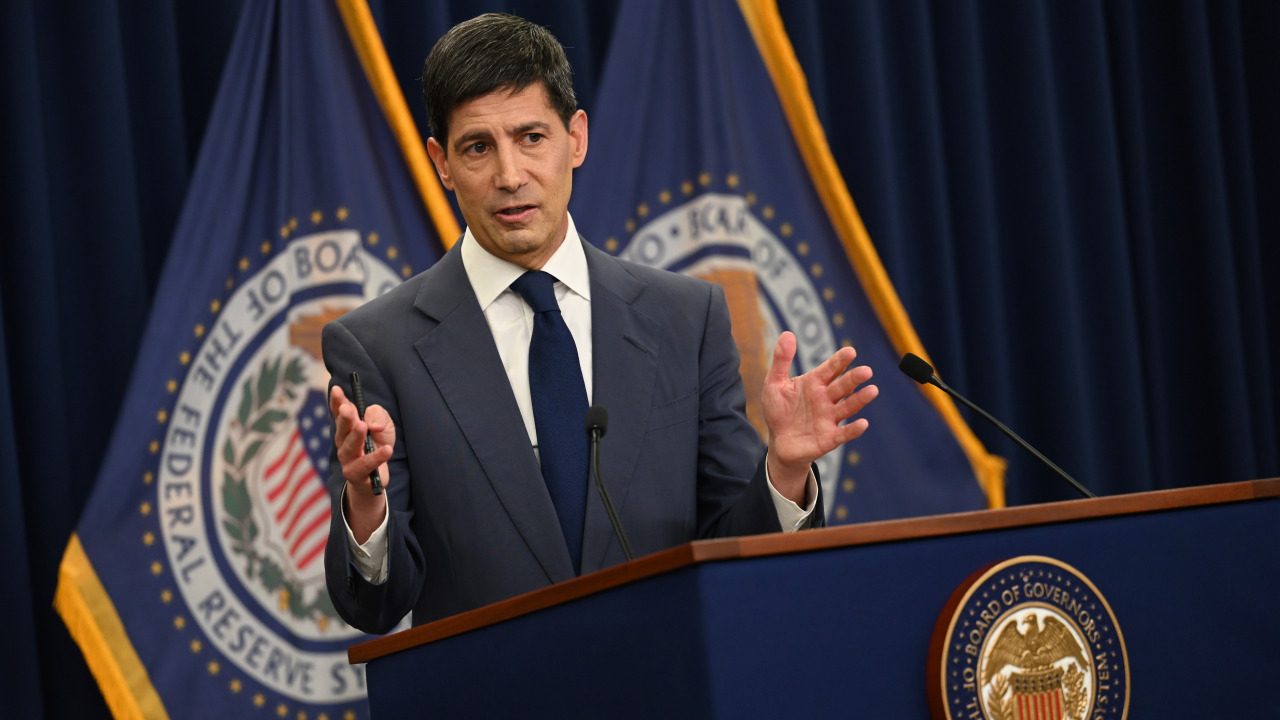
Federal Reserve Chair Kevin Warsh argues the massive tech investment will boost productivity without stoking inflation, but a majority of his colleagues see the spending driving persistent price increases.
Federal Reserve Chair Kevin Warsh is breaking with the majority of his colleagues over whether the historic $700 billion artificial intelligence buildout will cool or heat the US economy. While Warsh argues the technology wave will lift productivity and wages without stoking inflation, most policymakers on the Federal Open Market Committee view the spending blitz as a clear driver of persistent price pressures.
The divide was laid bare in the minutes from the central bank's June meeting, published on July 8, which marked Warsh's first session as chair. Officials voted to hold the benchmark interest rate steady between 3.50% and 3.75%, a level unchanged since December. However, the transcript revealed that Wall Street investors are already pricing in a quarter-point rate hike later this year.
The specific focus on AI infrastructure during the two-day meeting marked a sharp shift from earlier in the year. Policymakers noted that the massive capital flowing into the sector from Amazon, Meta, Microsoft, and Alphabet is creating tangible bottlenecks. "Many participants noted that ongoing strong demand for AI infrastructure would likely sustain upward pressure on prices for technology products and electricity," the minutes stated.
Those theoretical pressures are already reaching consumers. In June, Apple raised prices for MacBooks and iPads by at least $150. The company explicitly cited a chip shortage that has made critical components significantly more expensive to source.
The inflation debate is further complicated by external supply shocks that are undermining any potential disinflationary benefits from technology. Policymakers highlighted that a war in Iran has disrupted commercial oil shipping, while lingering tariffs continue to push prices higher this year.
For markets, the implication is a stark shift in expectations. If the FOMC's majority view prevails over Warsh's optimism, the massive tech capital expenditure cycle could force the central bank into a tightening stance just as the broader economy absorbs separate tariff and energy shocks.