Wall Street pushes tokenization into existing market plumbing
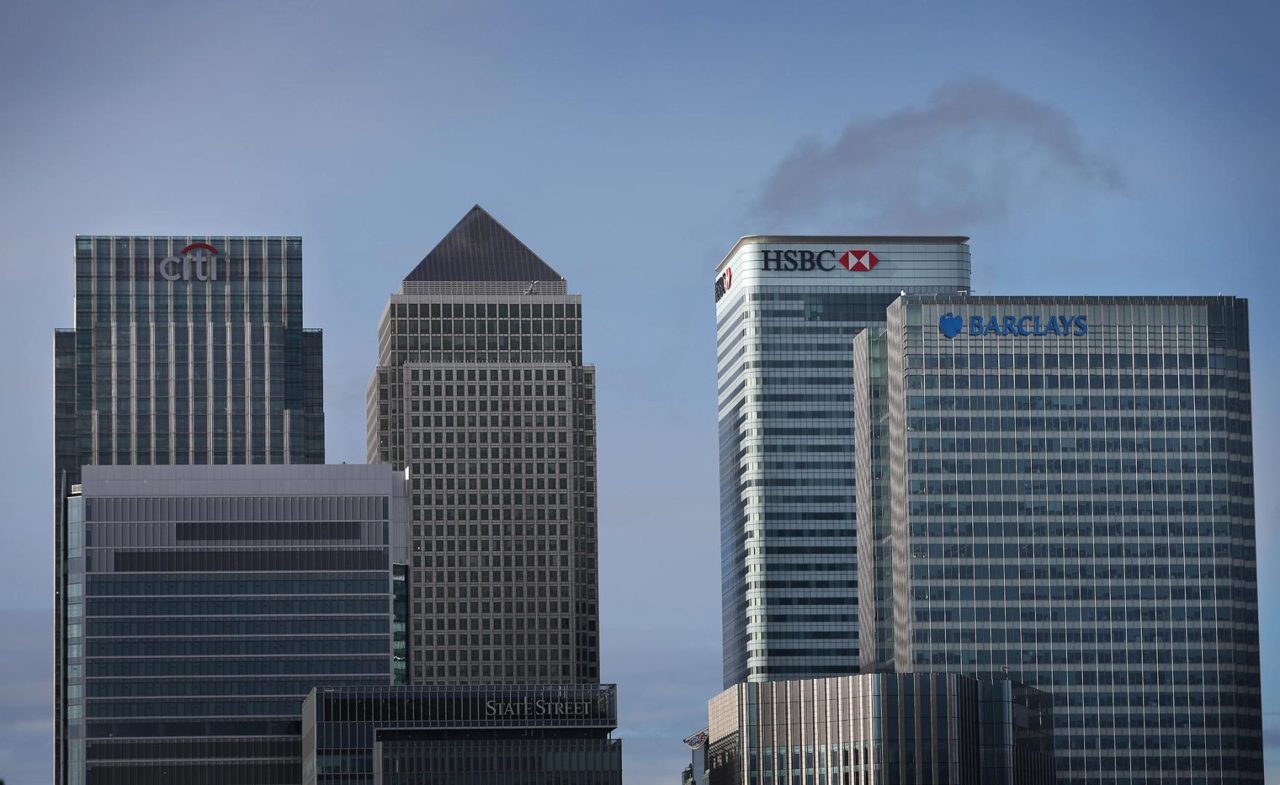
Eighty-four percent of financial institutions now view tokenization as a strategic priority, accelerating plans to integrate blockchain technology into existing market infrastructure rather than build separate crypto networks.
A Broadridge survey of 200 North American financial services executives found that 84% now consider tokenization critical to their business strategies. Nearly a third of these firms plan to boost their investment in tokenization projects by at least 26% over the next two years. Sixty-eight percent expect the technology to partially reshape financial markets within three to five years.
Rather than replacing legacy systems, the industry is overwhelmingly opting for a hybrid approach. Ninety-two percent of respondents anticipate that traditional and digital assets will coexist, with 69% planning to bolt tokenization capabilities onto their current trading and settlement infrastructure. This pragmatic strategy mirrors recent moves by established players like JPMorgan, which has expanded its Kinexys blockchain platform to interface with traditional finance.
The shift from theory to practice is already underway. On Wednesday, the DTCC completed its first live production trades involving tokenized securities. Trading volumes in tokenized real-world assets reflect this momentum, with perpetual volumes surging to a record $311 billion in June. Overall centralized exchange spot volumes also climbed 15.3% to $1.11 trillion last month, marking the first increase in five months.
Capital markets firms are currently outpacing asset and wealth managers in deployment. Forty-four percent of capital markets firms reported having tokenization initiatives in production or at scale, compared to 20% of asset managers and just 9% of wealth managers. When it comes to specific products, 80% of executives expect tokenized mutual funds and money market funds to become meaningful within five years. This aligns with the rapid growth seen in tokenized Treasury products offered by BlackRock and Franklin Templeton. Only half of respondents expect tokenized equities to reach similar adoption levels in that timeframe.
Despite the broad strategic commitment, significant hurdles remain. Regulatory uncertainty is the most frequently cited obstacle for financial institutions. Firms are also struggling with the operational complexity of weaving distributed ledger technology into established, highly regulated market plumbing.