A chainsaw pause to improve re-election hopes
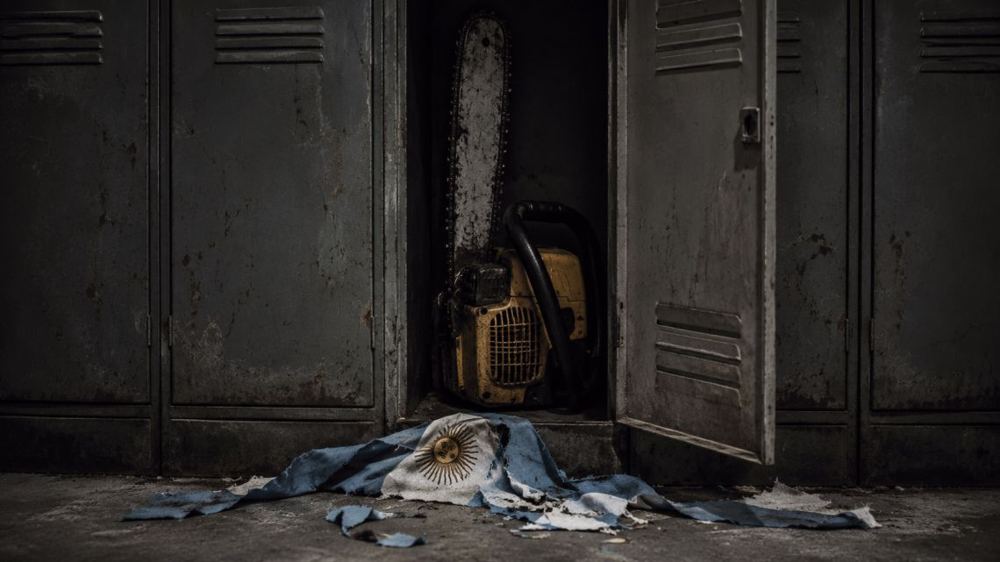
Milei’s Budget bill hides a crucial and realistic acknowledgment: his famous "chainsaw" will mostly pause over the year leading to the presidential elections in October 2027. Leer más
For weeks there has been an internal debate in the Casa Rosada about what to do to improve President Javier Milei’s re-election chances. It is dogmatists versus pragmatists, the former believe the economic programme is moving in the exact right direction and nothing should change; the latter believe the government has to tweak the course to improve household economics next year.
Both camps are looking at polls showing Milei is now improving in the polls, although at least he is not getting worse either. But unlike the pragmatists, the dogmatists believe it is not about the programme’s design but about journalists misinforming the public about its success.
The leader of the dogmatists is President Milei, but he leads the smaller of the groups. The pragmatists include his sister, Presidential Chief-of-Staff Karina Milei, her entire inner circle and Economy Minister Luis Caputo.
This item of the budget hides a crucial and realistic acknowledgment: Milei’s famous “chainsaw” will mostly pause over the year leading to the presidential elections in October 2027. Milei will never accept that in public, but it is an indication that he has listened to pragmatists and accepted their argument that the government needs cash both to ease certain voting segments, including those in the lower classes who get child benefits, and to grease electoral negotiations with like-minded governors.
This small victory by the pragmatists, however, risks being too little, too late. The extra spending relies on the budget’s promise that the economy will grow four percent next year, something nobody should take for granted. The 2026 Budget had promised a five-percent increase, but reality is pointing to the year finishing closer to half that number.
This is where Milei’s economic programme may bite its tail. Less growth means less tax revenue, which, given the President’s unfaltering commitment to fiscal surplus, leads to more spending cuts that, in turn, impact growth downwards. And so the vicious circle goes.
This is also optimistic. Amid electoral uncertainty, many investors will wait until after the vote (hoping for Milei’s re-election) to put their money where their mouth is. This is especially the case if, come March or April, the polls show that the presidential race between Milei and a Peronist candidate (Axel Kicillof? Sergio Massa? Cristina Fernández de Kirchner?) would go all the way to a coin-toss second round.
Yet the best example of government pragmatism in the budget is that Milei admits he will not deliver on his promise to produce monthly inflation below one percent during his term. The forecast puts it at 20.5 percent for 2027, which on average means around 1.4 percent monthly. Inflation reduction is a public opinion battle Milei has already won, after having lowered it from around 200 percent to almost 30 percent a year. This slight move away from dogmatism means the government is now looking at other key variables, like jobs, which are now at the top of people’s demands.