Wall Street Builds AI Tools to Decode Fed Chairman Kevin Warsh’s Quiet Policy Shift
Financial institutions are rapidly developing artificial intelligence models and alternative analytical frameworks to anticipate monetary policy, as Federal Reserve Chairman Kevin Warsh deliberately reduces the central bank’s forward guidance and public commentary.
Financial firms are deploying new artificial intelligence tools and alternative analytical frameworks to anticipate monetary policy. This shift follows Federal Reserve Chairman Kevin Warsh’s deliberate reduction of the central bank’s forward guidance and public commentary since he took office in May.
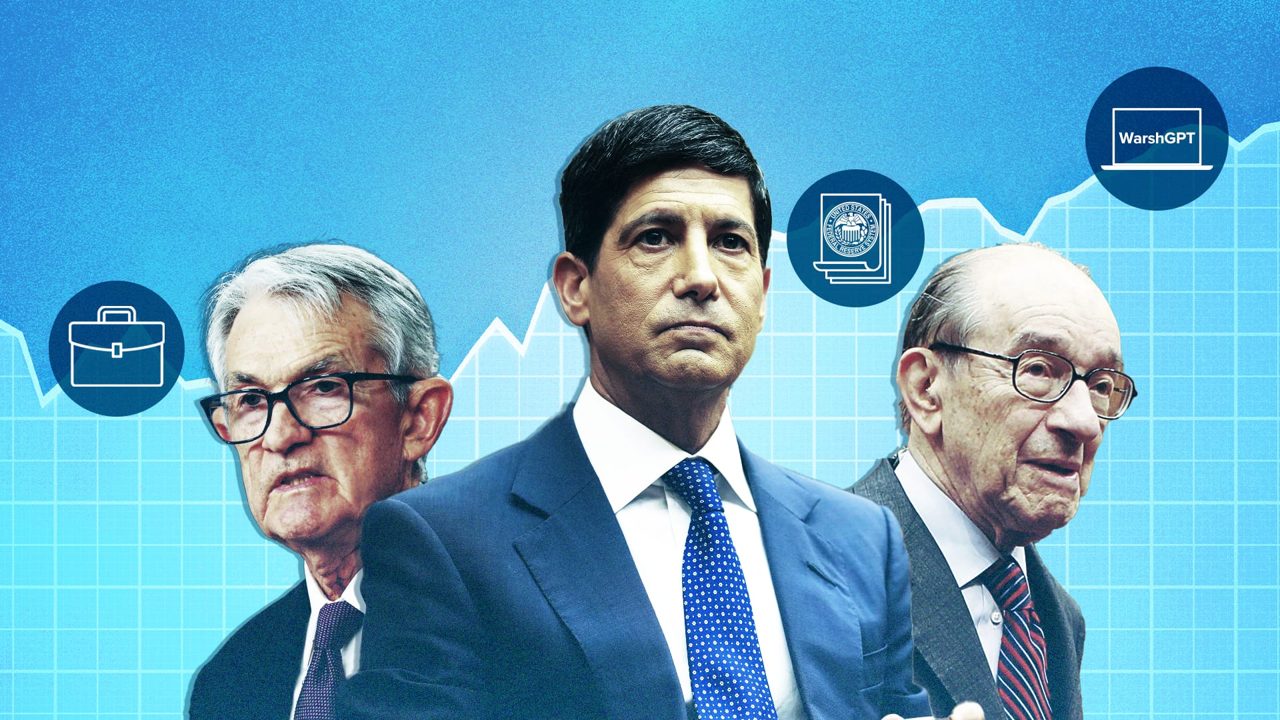
F/m Investments recently launched "WarshGPT," an AI-powered chatbot designed to parse nearly 1,800 documents and transcripts from the new chairman. Built in roughly two weeks for under $1,000 using Anthropic’s Claude model, the tool helps users contextualize Warsh’s economic analysis without generating forward statements, forecasts, or impersonating the chairman.
The demand for such tools stems from a stark reduction in official Fed communication. June’s Federal Reserve meeting statement contained approximately 130 words, down from over 300 in prior publications, and purposefully excluded forward guidance.
Furthermore, Warsh allocated just 5 percent of sentences to policy-relevant topics during his first post-decision press conference. By comparison, an average meeting under predecessor Jerome Powell featured 27 percent policy-relevant commentary, according to UBS.
Major institutions are adapting their strategies to this lower-transparency environment. UBS now provides clients with an interactive dashboard to track policy tone, noting Warsh’s debut comments were "overwhelmingly hawkish." Meanwhile, JPMorgan Asset Management chief global strategist David Kelly said his team will scrutinize individual Federal Open Market Committee speeches more closely if key releases like the dot plot are discontinued.
This communication shift presents both risks and opportunities for market participants. MacKay Shields senior macroeconomist Steve Friedman noted that while reduced clarity is a negative for the broader economy, it can serve as a "source of alpha" for investors with robust analytical frameworks.
In the absence of direct guidance from the chairman, traders are elevating their focus on other committee members. Friedman described Fed Governor Christopher Waller as a critical bellwether, especially after Waller recently stated the central bank should not focus on "fighting the last war" with inflation, even as rate hikes remain on the table.
Consequently, market expectations are already fracturing. Fed funds futures traders currently price in a 59 percent likelihood of an interest rate increase in September, whereas Kalshi traders view unchanged rates as the most probable outcome.
According to University of California, Irvine, economics professor Gary Richardson, the competitive advantage will shift toward firms that can afford to hire former Fed alumni. He noted that ordinary investors will need to further diversify their portfolios to navigate this new era of monetary policy ambiguity.