BoE bans thermal coal bonds from collateral pool
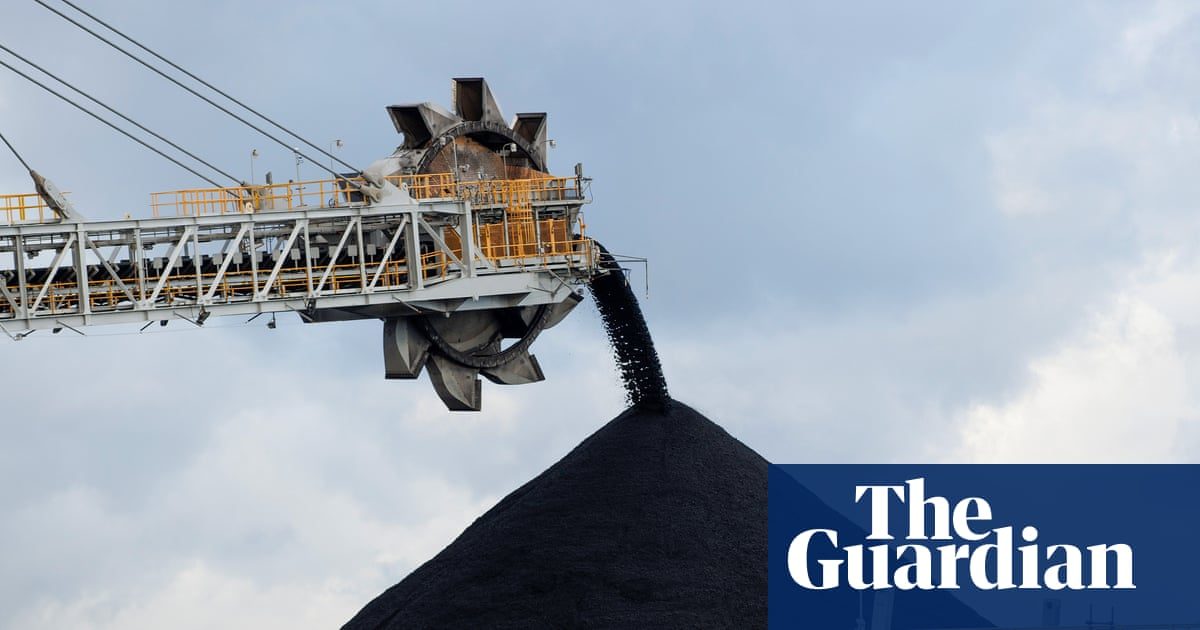
The Bank of England will exclude thermal coal bonds from its liquidity operations in October, a first-of-its-kind move that signals central banks are beginning to price climate transition risk directly into financial plumbing.
Starting in October, the Bank of England will no longer accept bonds linked to thermal coal as collateral from commercial banks borrowing from its liquidity facilities. The central bank quietly posted the policy update on its website in early June, effectively declaring the heavily polluting fuel too risky to hold on its own balance sheet.
Major lenders like Barclays, HSBC, Lloyds and NatWest rely on these central bank loans to settle daily transactions and maintain smooth operations. By stripping thermal coal bonds of their usefulness as collateral, the BoE reduces the underlying liquidity value of those assets for commercial banks, potentially forcing them to offload holdings to avoid trapped capital.
In its policy statement, the central bank explicitly tied the ban to the economic shift toward net zero. The BoE warned that thermal coal companies face financial risks from this transition. It also announced it would apply discounts, known as haircuts, to bonds in other vulnerable sectors to shield itself from similar climate-driven losses.
The move places the BoE ahead of western counterparts like the European Central Bank in actively penalising fossil fuel assets within its monetary operations. According to Reclaim Finance, roughly 150 of the world's largest financial institutions already maintain some restrictions on thermal coal. However, the BoE's integration of these limits into core market infrastructure raises the stakes significantly.
Implementing this policy now is notable given the broader political backlash against environmental financing rules, particularly following Donald Trump’s return to the White House. That US-led shift has pressured many financial institutions to scale back their climate commitments.
“It’s a strong signal from a central bank, and to the market as well,” said Ellie McLaughlin, a senior policy and advocacy manager at Positive Money. However, McLaughlin noted that the BoE has been relatively quiet about its climate work recently, adding that the current political climate “does make that environment within which they operating much more difficult.”
The ultimate impact will depend on how strictly the central bank designs the accompanying risk discounts. “We’ve yet to see how the Bank will calculate haircuts to account for climate risks, and exclusions should extend beyond thermal coal to cover all ‘always harmful’ activities,” McLaughlin said, citing fossil fuel expansion and deforestation. “It’s quite significant, but there are definitely a lot of areas where the Bank could be going further.”