Cuba grid fails again as US sanctions sever fuel and investment
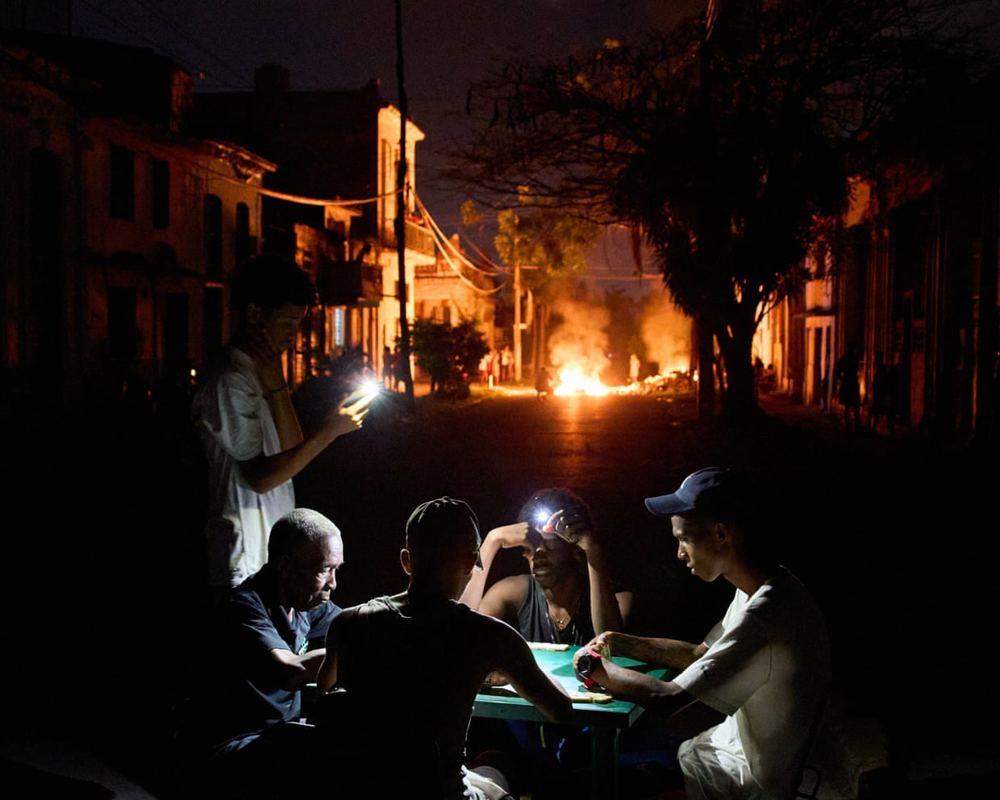
Cuba’s third nationwide grid collapse in ten days underscores how a US fuel blockade has crippled the island’s infrastructure and made it uninvestable for foreign companies.
Cuba’s national electricity grid collapsed on Tuesday for the third time in ten days before being temporarily reconnected at 7am on Wednesday. The repeated blackouts have left the island's 9.5 million residents sweltering in mid-30s temperatures with 80% humidity. For international businesses and investors, however, the systemic failures signal a complete operational breakdown.
The immediate catalyst is a six-month US oil blockade designed to pressure the Cuban government. Vicente de la O Levy, Cuba’s minister of energy, stated there is a “total absence of fuel” and no access to spare parts for the country's thermoelectric units. Jorge Piñon, a senior energy researcher at the University of Texas, noted that the system relies on aging plants that are “old, broken and tired.”
This infrastructure collapse is accelerating an exodus of foreign capital. Sanctions have successfully driven out hotel operators, airlines, miners and shipping companies. Canadian nickel miner Sherritt is now drawing up plans to sell its interests to Ray Washburne, a former advisor to Donald Trump, as a mechanism to maintain its presence on the island.
For companies still attempting to operate, the logistics environment has effectively frozen. One electric car importer highlighted the supply chain paralysis, stating: “We have seven containers in Kingston and another 40 in China, but we have no idea when, or if, they will arrive.” Without reliable power or guaranteed fuel imports, maintaining commercial operations is practically impossible.
Hopes that the government might liberalize the economy to attract alternative capital have been dashed. The state recently announced 176 measures to expand the private sector and invite foreign investment. The US State Department immediately dismissed these reforms as “superficial smoke signals,” cementing the view that the regulatory environment will remain hostile.
The macroeconomic backdrop only deepens the crisis. The Cuban economy was already battling pandemic-era hyperinflation, and the disintegration of basic services is now driving a sharp rise in street crime. For market professionals monitoring emerging market risk, Cuba represents a stark example of how targeted sanctions can rapidly degrade physical infrastructure and sever supply chains long before a political resolution is achieved.