Mexican Firms Navigate Diverging Interest Rate Cycles Across Latin America
As Mexico concludes its monetary easing cycle and Colombia aggressively tightens policy, investors are reassessing the regional exposure of major Mexican multinationals.
Banco de México lowered its benchmark rate by 25 basis points to 6.50% on 7 May 2026, signaling the end of its current easing cycle. This decision contrasts sharply with recent actions by Colombia’s central bank, which raised its policy rate to 12% in late June following an opposition presidential victory.
The diverging monetary paths triggered mixed reactions across the Mexican stock exchange. Shares of FEMSA and Cemex gained over 2%, while Grupo Bimbo and América Móvil registered modest declines in the sessions following the Colombian electoral shift.
Market strategists caution against attributing these price movements solely to Colombian politics. Humberto Calzada, Chief Economist at Rankia Latinoamérica, stated the moves "do not seem to be directly related to the electoral result in Colombia," pointing instead to broader sector dynamics. Antonio Hernández of Actinver described the preliminary election outcomes as "positive to neutral" for Mexican corporate interests.
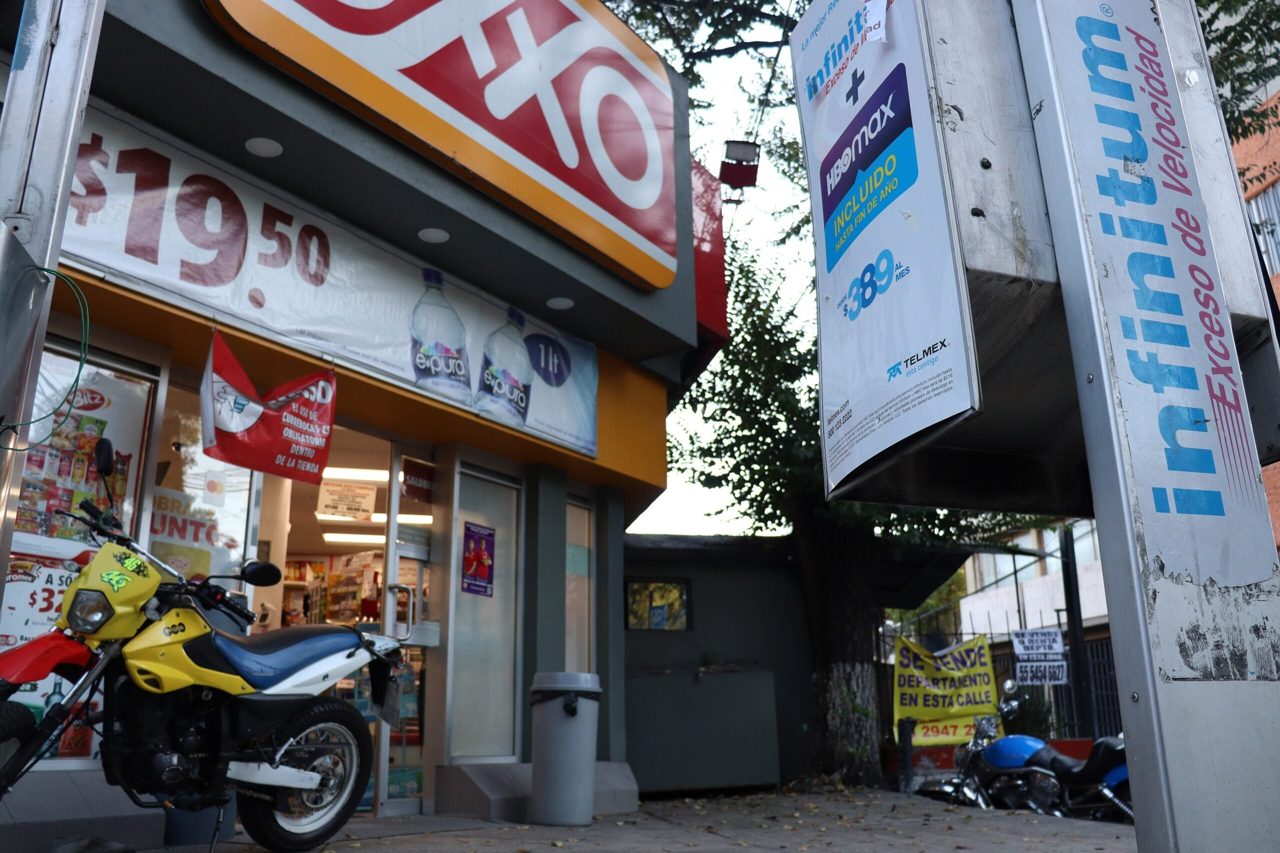
Underlying business fundamentals currently overshadow regional political noise. Hernández pointed to strong volume performances at FEMSA and Cemex, noting that FEMSA’s OXXO chain is reporting independent growth in traffic and same-store sales.
Nevertheless, operational footprints in Colombia remain a critical variable for these multinationals. FEMSA operates bottling plants and the Cruz Verde pharmacy chain there, while Grupo Bimbo maintains a substantial bakery presence and Cemex supplies the local construction sector.
Past disruptions highlight the varying resilience of these business models. During previous periods of social unrest, Cemex faced delivery disruptions and Grupo Bimbo recorded a 50-basis-point contraction in its Latin American adjusted EBITDA margin. FEMSA, conversely, reported that its Colombian operations positively contributed to overall sales growth.
The macroeconomic divergence now presents distinct tailwinds and headwinds for corporate balance sheets. Mexico’s 6.50% policy rate reduces financing costs for households and businesses, supporting domestic consumption. Colombia’s 12% rate, however, elevates borrowing costs and threatens to dampen construction demand, directly impacting Cemex’s local operations.
Bank of America previously projected Colombia’s policy rate to settle near 7% by the end of 2026, a forecast that now appears overly optimistic. International investors must increasingly parse country-level monetary trajectories rather than treating Latin American equities as a homogeneous bloc.
The primary focus for market participants will be the stability of Banco de la República’s tightening cycle. Upcoming quarterly earnings calls will provide essential guidance on how these companies are managing the contrasting financial environments across their regional portfolios.