Oil Rallies as US-Iran Truce Collapses and Strait of Hormuz Shipping Disrupted
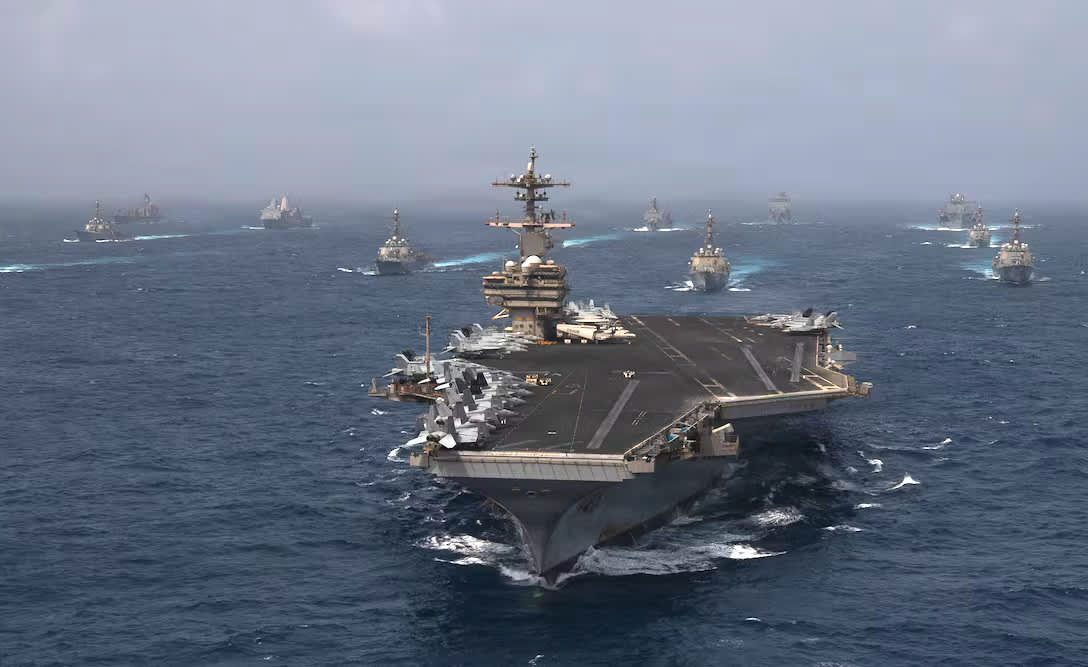
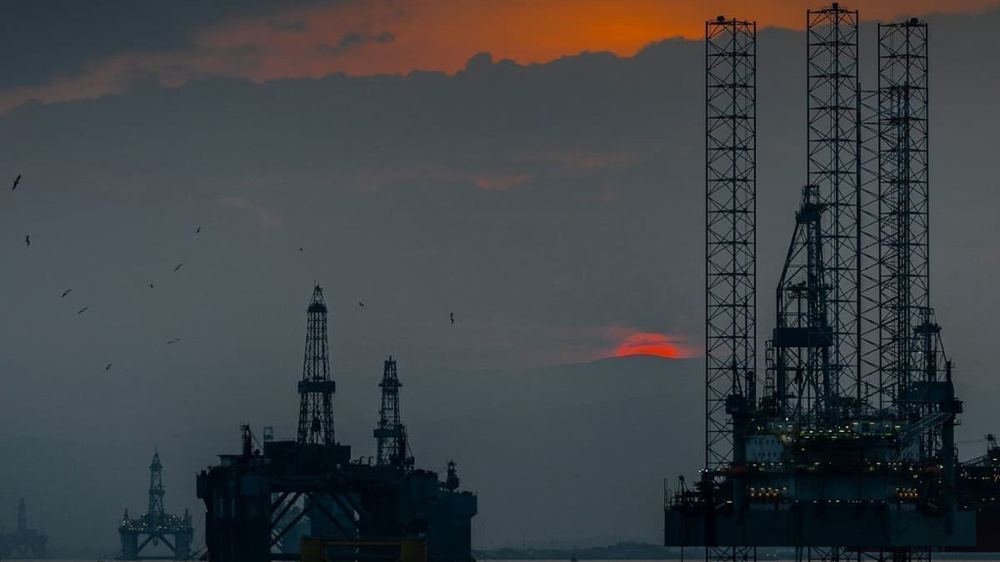
The collapse of the interim US-Iran peace agreement and renewed military strikes have intensified shipping disruptions in the Strait of Hormuz, pushing global oil benchmarks to their highest levels in months.
The United States has concluded a seventh consecutive night of airstrikes against Iranian military infrastructure, marking a definitive collapse of last month’s interim peace agreement. Two American service members were killed in Jordan on Friday during Iranian missile and drone attacks, bringing the total US military fatalities in the conflict to 16 since late February.
In response to the sustained bombardment, Iran formally suspended its commitments under the Islamabad Memorandum of Understanding. Iranian Deputy Foreign Minister Kazem Gharibabadi stated the country is now focused on defending its territory, a move President Donald Trump dismissed by saying, "I couldn't care less."
This diplomatic breakdown carries immediate consequences for global energy markets and maritime trade. US Central Command is enforcing a naval blockade against Iranian ports and has redirected or disabled multiple commercial vessels. Conversely, Iran’s Revolutionary Guard Corps reported halting four ships attempting to transit the Strait of Hormuz under US protection.
Investors are rapidly pricing in the elevated risk to global supply chains. International benchmark Brent crude surged 4.6 percent to $88.10 a barrel on Friday, while US West Texas Intermediate climbed 4.5 percent to $82.49. Both contracts secured weekly gains of approximately 16 percent, marking their highest settlement levels since mid-June.
The conflict is also disrupting regional infrastructure vital to local economies. Kuwait reported that an Iranian strike on a power and water distillation facility caused a fire, forcing flight rescheduling by Kuwait Airways. The nation relies on seawater desalination for nearly 90 percent of its water demand, highlighting the vulnerability of regional utilities to prolonged hostilities.
Analysts warn that the current trajectory points toward a protracted conflict with no clear diplomatic off-ramp. Ian Lesser, a distinguished fellow at the GMF think tank, noted that while the US possesses enormous operational capability, the administration risks becoming mired in a "forever war" due to strategic misjudgments.
Despite mounting casualties and market volatility, President Trump maintained that the US is "winning big in Iran" and reiterated his commitment to preventing Tehran from acquiring a nuclear weapon. He has previously threatened to target Iranian bridges and power plants if the country does not return to negotiations, suggesting further volatility for energy markets ahead.