Canada eyes 800,000 bpd pipeline to bypass US oil routes
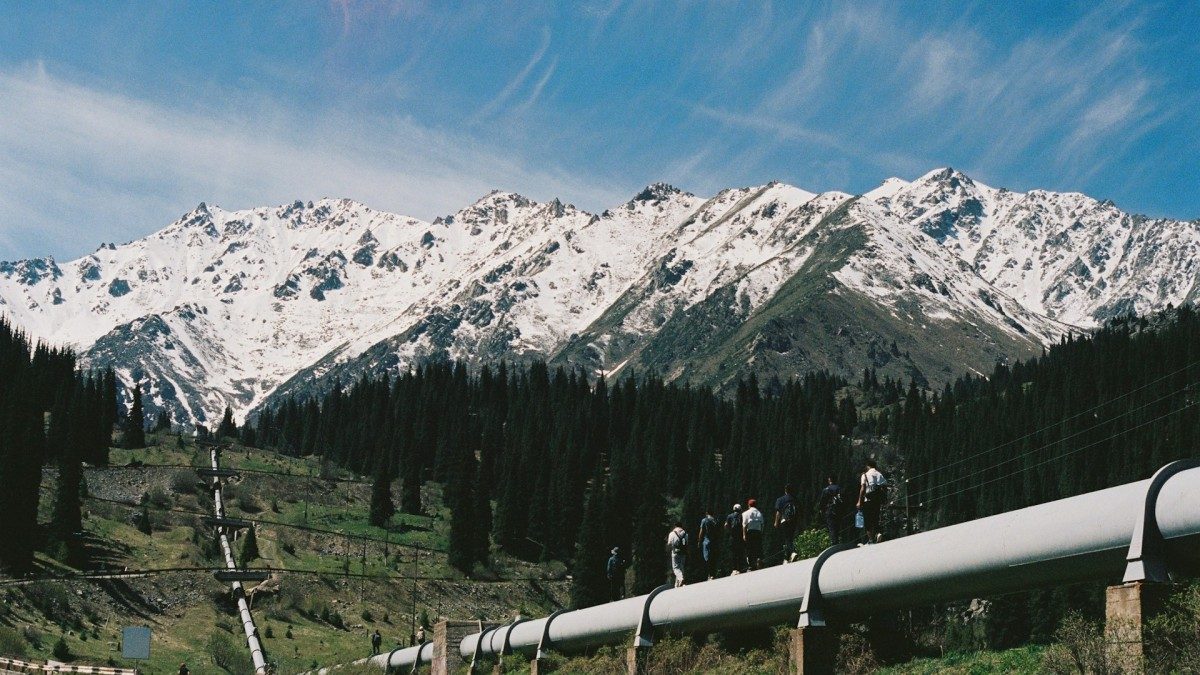
Canada and Alberta have proposed a 3,300-kilometre domestic pipeline to eliminate U.S. transit risks for crude shipments to Ontario, with potential future exports to Europe.
The Canadian federal government and Alberta have jointly proposed a 3,300-kilometre crude pipeline stretching from Hardisty to Sarnia, Ontario. The route would initially move up to 500,000 barrels per day, with future capacity reaching 800,000 bpd. The project revives a concept abandoned nearly a decade ago to connect Canada's western oil fields to its eastern refining hubs without crossing the U.S. border.
The pipeline addresses a critical logistical vulnerability for a country holding roughly 158.9 billion barrels of oil reserves. Currently, 50 per cent of Ontario’s oil imports flow through the United States, a transit route previously threatened with closure by the state of Michigan. “It is clear we need a sovereign pipeline route that connects Alberta crude oil to Sarnia, the country’s largest refinery and petrochemical hub,” said Ontario’s Energy Minister Stephen Lecce.
Reducing reliance on U.S. infrastructure carries immediate implications for North American energy pricing. Canada accounted for 63.4 per cent of U.S. crude imports in 2025, meaning any disruption to cross-border flows heavily impacts continental supply chains. Beyond securing domestic supply, Prime Minister Mark Carney suggested the infrastructure could eventually be extended to Canada’s Atlantic coast to open direct export channels to Europe.
To overcome historical opposition that killed prior iterations of this pipeline, the federal government is coupling the proposal with financial and political concessions. Carney announced C$150 billion in broader regional investments covering LNG infrastructure and port expansions. He also pledged the pipeline would feature “a meaningful ownership stake for Indigenous communities” and support “substantial” methane reductions.
These concessions appear to be shifting the political calculus. British Columbia’s Premier, David Eby, dropped his opposition, stating residents would be “fairly compensated for the environmental risks we would take on any new pipeline project.” Crucially, Carney confirmed a federal ban on oil tanker loading on British Columbia’s north coast will remain, satisfying Coastal First Nations president Marilyn Slett, who warned that a spill "could destroy our way of life."
However, the project still faces internal political headwinds that could deter private capital. Steven Guilbeault, Canada’s Culture Minister and former Environment Minister, announced he would leave the cabinet if a previous version of the pipeline advanced. Environmentalists also point to the Trans Mountain expansion, a strategically vital route that suffered massive cost overruns and leaves taxpayers uncertain about recovering their investment.