Hormuz shipping falls to three-week low as security risks deter operators
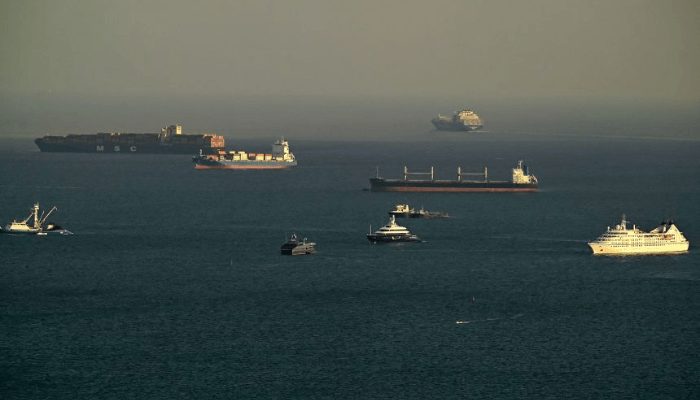
Vessel traffic through the Strait of Hormuz has plummeted to a three-week low as the collapse of diplomatic ceasefire efforts and rising military enforcement push commercial operators to abandon standard maritime corridors.
Vessel transits through the Strait of Hormuz fell to just eight on July 16, marking a three-week nadir, according to maritime intelligence firm Kpler. The sharp drop from 15 daily crossings tracked earlier by MarineTraffic underscores how commercial operators are altering course at a waterway handling more than a fifth of global oil and gas trade.
Routing data reveals a fundamental shift in how ships navigate the chokepoint. Seven of the eight vessels used the Iranian route, continuing a four-day trend that has seen minimal activity along the internationally recognised IMO and Omani corridors. Between July 10 and July 12, overall crossings slumped by roughly 52 percent compared to the prior week as operators favoured Iranian or dark routing to mitigate perceived risks.
Physical security threats are driving this recalibration. The International Maritime Organization verified damage to the tanker Belma in the Persian Gulf on July 15. Fresh incidents reported on Friday included an attack on a tanker, the unauthorised boarding of a second vessel, and a third ship subjected to military interaction, according to UKMTO. The conflict has now yielded 53 security incidents and 14 confirmed seafarer deaths.
Diplomatic efforts have failed to offset these dangers. Backchannel mediation by Pakistan, Qatar, and Egypt has kept negotiations alive, but Kpler noted that the ceasefire framework has effectively broken down. Warnings from Iran’s Islamic Revolutionary Guard Corps and renewed exchanges with Washington have replaced diplomacy as the primary factor dictating shipping routes.
The United States has responded by intensifying its enforcement posture. CENTCOM reported redirecting two compliant commercial vessels and disabling one non-compliant tanker attempting to reach an Iranian port. This has created a highly selective operating environment restricted to vessels willing to accept Iranian routing or the elevated risks of military enforcement.
For energy markets and shipping companies, the immediate consequence is financial. Navigating the region now requires absorbing higher war-risk insurance premiums and operating costs while managing severe crew safety concerns. With standard corridors effectively abandoned and military developments overriding diplomacy, the risk premium on Middle Eastern energy supply chains is set to endure.