FIFA to sell 1,996 World Cup rings in commercial push
FIFA will award and sell championship rings for the 2026 World Cup, marking a deliberate shift toward US-style sports merchandising to capture new revenue.
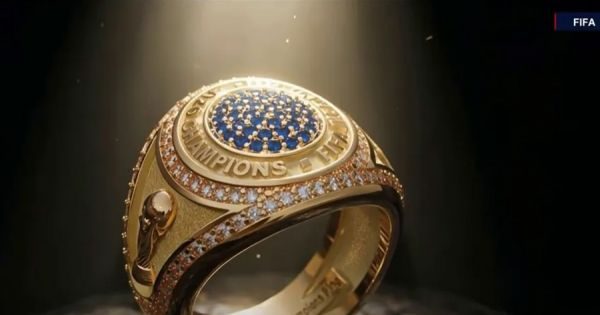
FIFA will award the winners of the 2026 World Cup championship rings for the first time, adding the jewelry to the traditional trophy and gold medals. However, the governing body is also using the occasion to open a new merchandising front. Exactly 1,996 numbered rings will be sold to the public alongside the 30 personalized pieces reserved for the winning squad.
The rings, custom-made in gold and set with precious stones, feature the World Cup trophy on one side and the winning team’s emblem on the other. Each retail piece will be individually numbered and delivered with a certificate of authenticity. FIFA has not disclosed the retail price, though comparable NBA championship rings frequently exceed $100,000 as collector’s items.
The retail drop signals a deliberate Americanization of FIFA’s revenue strategy. By treating the ring as a limited-edition consumer product rather than just a team memento, the organization is importing a model deep-rooted in US sports since 1922. This directly targets the lucrative US collector market just as the tournament is hosted across the United States, Mexico, and Canada.
The rings are part of a wider suite of US-inspired commercial and broadcast tweaks to the 2026 tournament. The July 19 final will feature a Super Bowl-style halftime show, a tradition popularized in American football since 1967. Additionally, matches were structured with hydration breaks that effectively divided play into quarters, mirroring the commercial rhythm of NFL broadcasts.
US President Donald Trump will break with usual finals protocol to present the trophy alongside FIFA President Gianni Infantino on Sunday. This underscores the political and commercial alignment between the tournament organizers and their North American hosts. For investors and sponsors, this integration validates the North American host bid's promise to unlock massive commercial revenues.
This aggressive commercial pivot carries identifiable reputational risk. Fans have already criticized the initiative on social media, framing it as the excessive Americanization of a global sport. However, for FIFA and its commercial partners, the potential high-margin revenue from nearly 2,000 luxury licensed items likely outweighs traditionalist backlash. Spain and Argentina will contest the final on Sunday at MetLife Stadium in New Jersey.