Dollar posts weekly loss as rate hike bets fade; yen near 40-year low
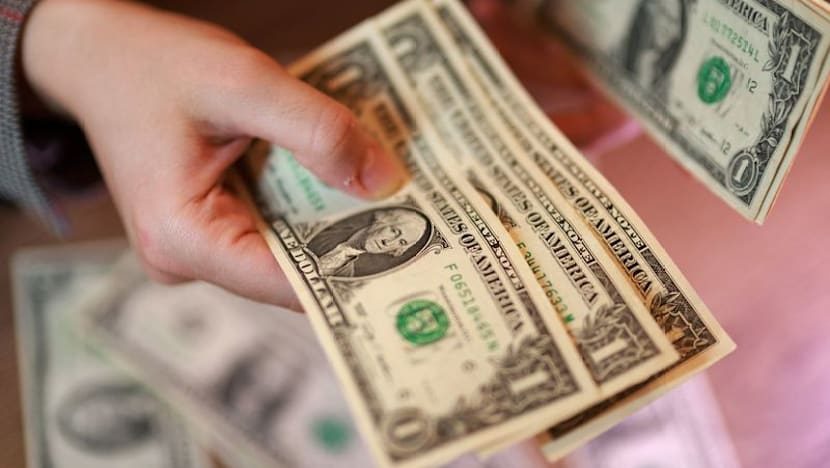
The dollar declined for the week as cooling U.S. inflation reduced expectations for Federal Reserve rate hikes, though escalating U.S.-Iran tensions capped losses and kept the Japanese yen pinned near a four-decade low.
The U.S. dollar index slipped 0.2 per cent this week to settle at 100.76 on Friday, pulled lower by data showing U.S. consumer price inflation cooled in June. Traders responded by cutting the implied probability of a July rate hike to 14 per cent, down from 25 per cent the previous week, according to the CME FedWatch tool.
Those losses were partially offset by a resurgence in safe-haven demand. Exchanges of fire between the United States and Iran unraveled last month's truce, disrupting traffic in the Strait of Hormuz and pushing oil prices toward one-month highs. "The tech-led global equity market plunge and ongoing disruption to Strait of Hormuz traffic have triggered a flight to safety," said Elias Haddad, global head of markets strategy at Brown Brothers Harriman. "USD recovered some of this week’s losses, and global bond yields edged a bit lower."
Underpinning the reduced rate expectations is a mixed picture of U.S. economic resilience. Retail sales rose slightly in June as online spending surged, offsetting weaker receipts at service stations due to lower gasoline prices. The data prompted economists to upgrade second-quarter growth estimates, while consumer sentiment climbed to a five-month high in July.
For currency markets, the most acute pressure remains on the Japanese yen, which was flat at 162.44 per dollar on Friday. The currency remains dangerously close to the 40-year low of 162.84 touched earlier this month. Japanese Finance Minister Satsuki Katayama reiterated the government's readiness to take decisive action, but the verbal warnings have yet to alter the trajectory.
"It would appear from the threat of decisive action that intervention is once again very close," said Shaun Osborne, chief FX strategist at Scotiabank in Toronto. "I don't know that that's going to have any more of an impact on the yen than it's had previously." The persistent weakness highlights the stark interest rate differential between the U.S. and Japan, a dynamic that will continue to challenge Japanese importers and policymakers.
Other major currencies showed regional nuances. The euro was flat at $1.1436, logging a 0.2 per cent weekly gain. Sterling slipped 0.2 per cent on the day to $1.3455 but notched a third consecutive weekly advance, bolstered by recent U.K. economic growth figures and reports that incoming Prime Minister Andy Burnham will appoint a centrist finance minister. The Australian dollar fell 0.23 per cent to $0.6980 as risk-off sentiment dominated global equities, though it also posted a third week of gains.
Looking ahead, the Fed is widely expected to hold rates steady this month, but traders are still pricing in 30 basis points of tightening by December. Policymakers remain cautious about leaning too heavily on a single month of positive inflation data. However, Osborne suggested the broader dollar rally may be exhausting itself. "That looks still very rich to me," he said of the December pricing. "We've probably seen, at least for now, the peak in the dollar a couple of weeks ago or so."