Iraq, Syria sign deal for 700,000 bpd Hormuz bypass pipeline
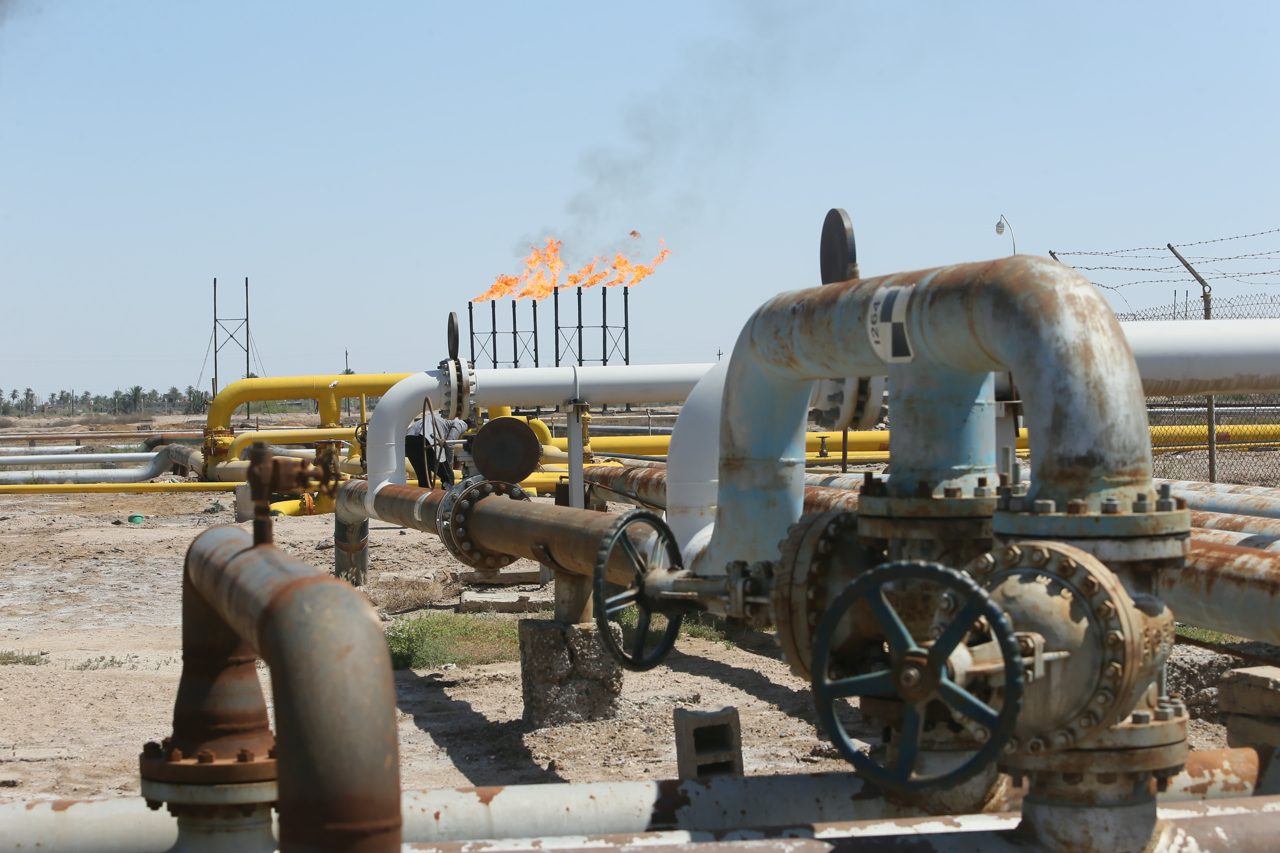
Iraq and Syria agreed to rebuild a Kirkuk-to-Mediterranean pipeline, offering OPEC's second-largest producer a critical export alternative as the U.S.-Iran war chokes the Strait of Hormuz.
Iraq and Syria signed an agreement Friday to rebuild a major oil export pipeline, a deal orchestrated at a Washington investment summit and presided over by U.S. Energy Secretary Chris Wright. Basra Oil Company CEO Bassem Abdul Karim Nasr and Syrian Petroleum Company CEO Youssef Qablawi signed the accord during Iraqi Prime Minister Ali al-Zaidi's ongoing visit to the U.S.
The agreement represents a direct financial response to the collapse of Iraqi oil exports amid the U.S.-Iran war. OPEC data shows Iraqi production plummeted more than 50% to roughly 1.9 million barrels per day in June, down from 4.2 million bpd in February, following U.S. and Israeli strikes on Iran. Baghdad currently relies almost entirely on its southern port at Basra, leaving its crude revenues highly vulnerable to Strait of Hormuz disruptions.
The proposed route would restore infrastructure stretching from the Kirkuk fields in northern Iraq to Syria's Mediterranean coast. According to the U.S. Energy Information Administration, the dormant pipeline has a nameplate capacity of 700,000 bpd but has been out of service since suffering damage during the 2003 U.S. invasion of Iraq.
A regional rush for alternatives
Baghdad's move aligns with a broader push by Gulf states to build out pipeline networks that bypass the Strait of Hormuz. The United Arab Emirates is constructing a second pipeline to the Port of Fujairah on the Gulf of Oman to double its out-of-strait export capacity. Reuters reported July 7 that Saudi Arabia is also considering a 2 million bpd expansion of its Red Sea pipeline.
While these capital projects provide a geographic hedge, analysts warn they do not eliminate the underlying physical threat to regional energy infrastructure. “The problem isn’t the waterway,” Bob McNally, founder of Rapidan Energy, told CNBC’s “Power Lunch” on Monday. “It’s that Iran can use weapons to attack loading facilities, pumping stations, the end stations, these terminals, and the storage units of these pipelines.”
U.S. officials are framing the Iraqi-Syrian deal as a step toward stabilizing global supply chains. “There is so much room to drive improvement in Iraq, to raise oil production, to reduce dependencies on hostile neighbors, to bring freedom, prosperity and abundant energy to the nation of Iraq,” Wright said before the signing. Restoring the Kirkuk-to-Mediterranean route would allow Baghdad to diversify its export routing away from the Persian Gulf, though the timeline for completion remains unclear.