India proposes strict 2027 vehicle emission rules, credit trading
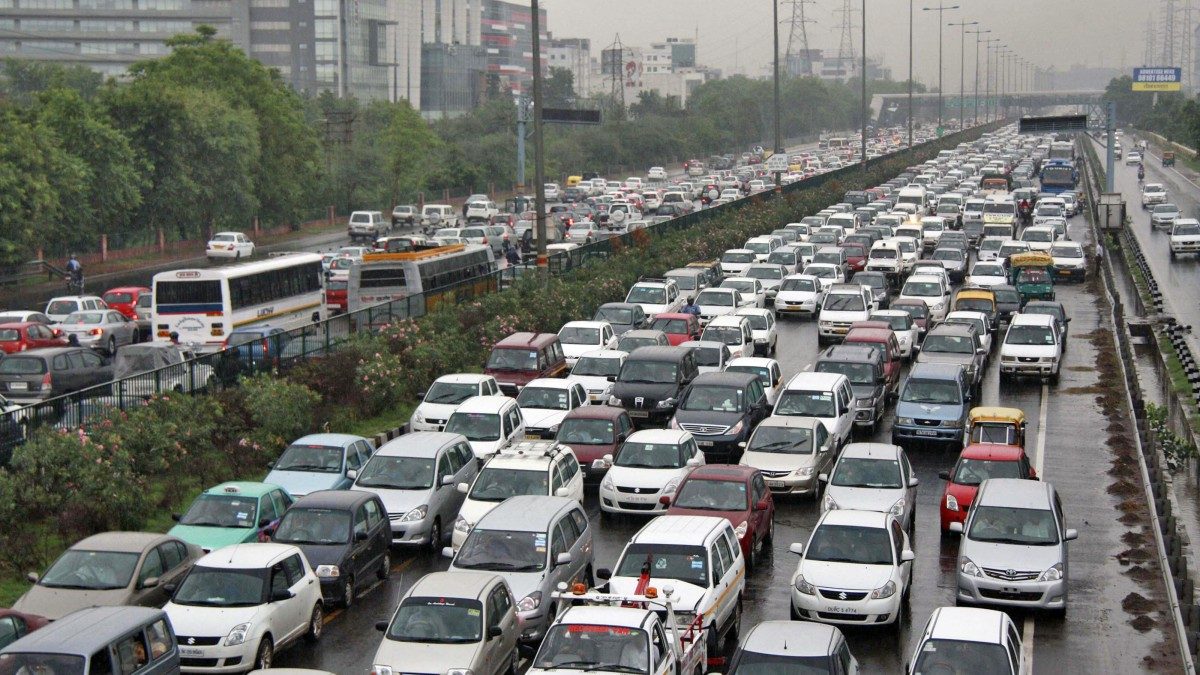
India's proposed CAFE-III standards will force automakers to drastically cut fuel consumption by 2032 or face heavy penalties, creating a new compliance credit market and pressuring the country's oil import bill.
India has released proposed Corporate Average Fuel Efficiency (CAFE)-III regulations requiring passenger vehicles to significantly reduce fuel consumption and carbon emissions starting April 1, 2027. The Ministry of Power framework mandates that M1 category vehicles, encompassing hatchbacks, sedans, and SUVs weighing up to 3,500 kg, must lower fuel use from 3.996 liters per 100 km in 2027-28 to 3.327 liters by 2031-32. Over the same timeframe, fleet-wide carbon emission targets must fall from 113 grams per km to 76 grams per km.
Manufacturers that fail to meet these strict benchmarks will face steep financial penalties ranging from ₹2,500 to ₹4,500 for every gram of excess CO2 per kilometer. To mitigate this risk, the rules establish a market-based compliance system. Automakers that outperform their fleet targets can generate and sell compliance credits to competitors that fall short, creating a new internal trading market designed to offset penalty costs across the industry.
To ensure accuracy, the policy transitions India's emissions testing from the older Modified Indian Driving Cycle to the World Light Duty Vehicle Testing Procedure, which better captures real-world fuel consumption. The framework also introduces regulatory incentives for alternative fuels for the first time. Automakers selling flex-fuel, ethanol-powered, or biofuel vehicles will receive favorable emission value calculations that reward lower lifecycle carbon output, supporting the government's parallel push for 100% ethanol vehicles.
For the automotive sector, these technology mandates will inevitably drive up manufacturing costs, which are widely expected to translate into higher upfront sticker prices for buyers. However, the regulations are accelerating a rapid expansion of alternative powertrain options. Manufacturers are preparing to launch more than 15 new electric vehicle models, pushing the total market availability beyond 35 options. Brands such as MG are also introducing plug-in hybrids built on multi-energy platforms to bridge the gap between range anxiety and running costs.
The proposed standards carry weighty implications for energy markets. By forcing a faster transition to electric vehicles, hybrids, and biofuels, the rules pose a long-term structural threat to India's gasoline demand. As a major oil importer, India has historically driven global crude consumption growth. If successfully implemented, these 2027 standards could play a major role in curbing the nation's rising oil import bill and altering its future energy consumption trajectory.