Iowa farm bankruptcies surge 220% amid USDA funding cuts
A 220% spike in Iowa farm bankruptcies highlights the economic toll of federal workforce reductions and tariff-driven export declines on the US agricultural supply chain.
Bankruptcies among Iowa farms surged 220% in 2025, reaching 18 filings and one of the highest raw totals in the US, as federal funding cuts and trade disruptions compound rising input costs.
Agriculture accounts for a third of Iowa’s economic output and a fifth of its jobs, making the financial distress in America's second-largest soybean-producing state a critical indicator of rural economic health.
Global tariffs levied by the Trump administration prompted China to reduce its purchases of US soybeans, forcing Iowa growers to scramble for alternative buyers as prices fell. Concurrently, the conflict with Iran has driven up costs for fertilizer, gasoline, and the diesel fuel required to power agricultural supply chains.
The sector's financial strain is amplified by a sharp contraction at the USDA, which has lost 20,000 employees nationwide since Trump returned to office. The workforce reduction includes a 17% staff cut in Iowa under Secretary Brooke Rollins, hampering the department's operational capacity.
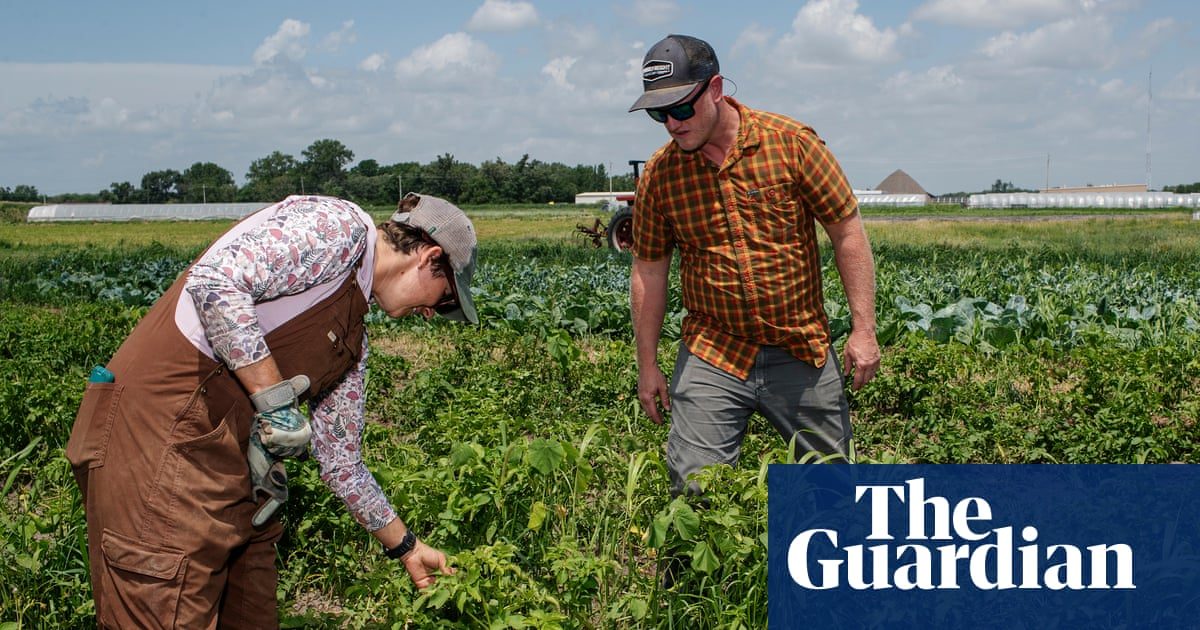
The USDA has cancelled several Biden-era initiatives, including the Local Food Purchase Assistance Cooperative Agreement Program and a minority farmer support program. James Nisly, an Iowa producer, estimated the cancellation of local food purchasing programs cost him 20% of his cashflow and many of his buyers.
The policy shifts are actively reshaping the agricultural market by redirecting capital away from smaller producers toward large corporate entities. “All of the policy activity that I’ve seen is hugely beneficial to the very large corporations, and detrimental to the small-business operators,” Nisly said.
Administrative unpredictability is further chilling agricultural investment. Nisly had his USDA grant funds frozen three days after making a purchase, while the non-profit Iowa Valley RC&D had a $2.5m grant cancelled, halting a farming fellowship despite a federal judge later ordering $127m in frozen grants reinstated.
Operational bottlenecks are evident in new funding as well. When the USDA announced $1bn in specialty crop assistance, vegetable farmer Carly McAndrews found her local office lacked the staff knowledge to process applications before tight deadlines.
The economic turbulence carries political risks for November’s midterm elections, where Democrats are targeting an open Senate seat and the governorship in the Republican-dominated state. A USDA spokesperson stated the department has experienced “no lapse in service” and continues to deliver programs “without interruption,” though farmers argue the sudden cancellation of contracts has severely damaged small-business revenues.