Labor premiers join business groups in warning Albanese government over immigration cuts
Federal Labor is poised to announce a migration crackdown despite fears slashing visa numbers could damage economy Labor premiers, farming and business groups have pushed back against a rise in anti-immigration sentiment, warning the government that arbitrary cuts to visa numbers risked damaging the economy and robbing businesses of desperately needed workers. Amid reports that the Albanese government is poised to announce a migration crackdown as early as next week, South Australian leader Peter Malinauskas warned of the collateral damage from blaming migrants for issues such as unaffordable
Federal Labor is poised to announce a migration crackdown despite fears slashing visa numbers could damage economy
Labor premiers, farming and business groups have pushed back against a rise in anti-immigration sentiment, warning the government that arbitrary cuts to visa numbers risked damaging the economy and robbing businesses of desperately needed workers.
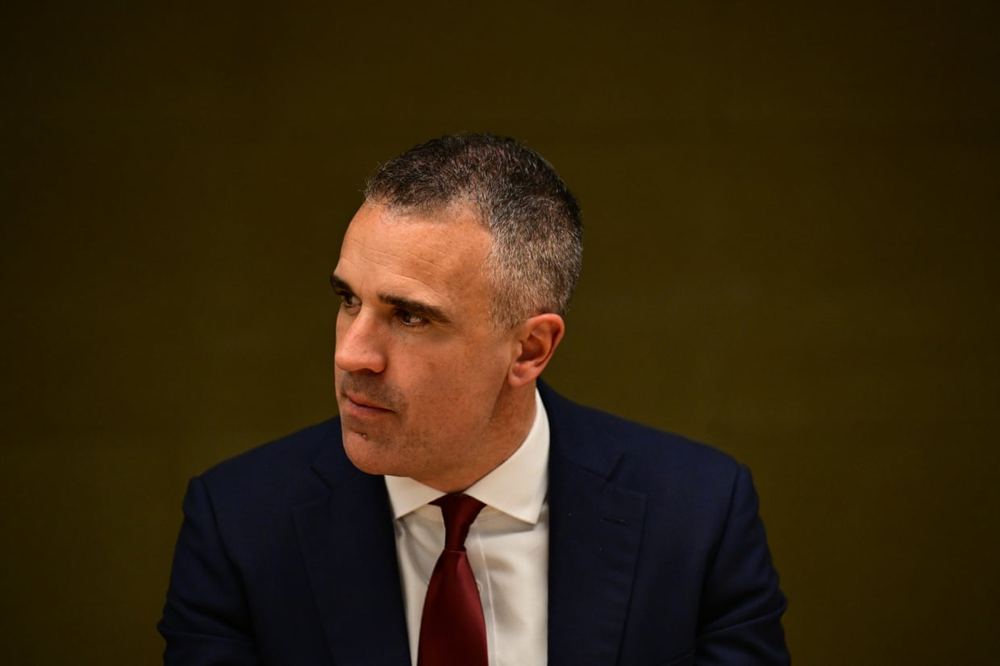
Amid reports that the Albanese government is poised to announce a migration crackdown as early as next week, South Australian leader Peter Malinauskas warned of the collateral damage from blaming migrants for issues such as unaffordable homes.
Malinauskas told ABC radio on Thursday that the nation and his state have “a massive shortage of almost every trade”, and that migration should be seen as a cure for, rather than the cause of, inadequate housing supply.
“We need to explain that Australia doesn’t really have a migration crisis so much as a housing crisis,” he said.
“If we have a housing crisis, we would do well to focus our skills policy on making sure that we’re bringing in the very workers that we require in the housing construction industry. I need to make sure we’ve got enough electricians to actually build the homes we need for the workers that the state requires.”
Amid alarmist talk of “mass migration”, the Albanese government is struggling to articulate a policy response to assuage voters’ concerns about high rates of immigration, and in particular the swelling ranks of temporary visa holders.
The home affairs minister, Tony Burke, confirmed on 17 August that his department was slowing the processing of working holiday visas as Labor attempts to pull every lever available to bring down the net overseas migration figure, which has become a lightning rod for anti-migrant sentiment.
Liberal leader Angus Taylor insisted that immigration numbers “should be capped based on housing supply, and that would mean right now we’d be at 170,000 or less”.
Net overseas migration was nearly 301,000 in 2025, according to the Australian Bureau of Statistics, versus a pre-Covid average of around 210,000 a year.
But Andrew McKellar, the chief executive of the Australian Chamber of Commerce and Industry, called for an “urgent reset” of the migration debate, which he said had been reduced to a narrow-minded obsession with net overseas migration figures.
“This can’t be about an arbitrary number. It cannot be about short-sighted, damaging approaches that are going to end up constraining the Australian economy,” McKellar said.
The Victorian premier, Ben Carroll, described migration as “essential for Victoria’s prosperity and its future”, echoing comments from his West Australian counterpart, Roger Cook, earlier this week.
“Whether it’s our healthcare professionals, whether it’s our labourers, whether it’s the people that are working on our farms ... strong diverse growth is so critically important,” Carroll told reporters in parliament.
“We want to grow our economy and we want to make sure that we have the workforce that will sustain our population.”
When asked if he agreed with Malinauskas that the political debate around cutting immigration was a race to the bottom with One Nation, the Victorian premier said the issue needed sensitivity, citing the negative impact it could have on international education, the state’s largest services export.
The interventions from state leaders come as employer groups across the farming, hospitality and tourism industries gathered in Parliament House to voice their alarm over recent changes to working holiday maker visas.
Amid a particularly strong migration backlash in regional Australia, farming groups launched an impassioned plea to make it easier for food and agricultural producers to get the overseas workers they need.
Michael Guerin, the chief executive of the National Farmers Federation, criticised “decisions made by government without consultation and without any understanding of the critical role of working holidaymakers and visas more generally to Australia’s food security”.