Healey gives households £100 to help navigate ‘global economic storms’
Payments to 20m homes part of package to cut energy bills and ease cost of living crisis, paid for by bank windfall tax ‘A pretty grim picture’: outlook for UK living standards slashed despite Healey’s budget Budget 2026: key points at a glance John Healey promised to steer Britain through “global economic storms” as he announced an energy giveaway of £100 to 80% of households in England, funded by a smaller than expected windfall tax on banks. In his first budget, the chancellor said 20 million households in council tax bands A to D would receive a £100 payment – a measure he said would cost
Payments to 20m homes part of package to cut energy bills and ease cost of living crisis, paid for by bank windfall tax
‘A pretty grim picture’: outlook for UK living standards slashed despite Healey’s budget
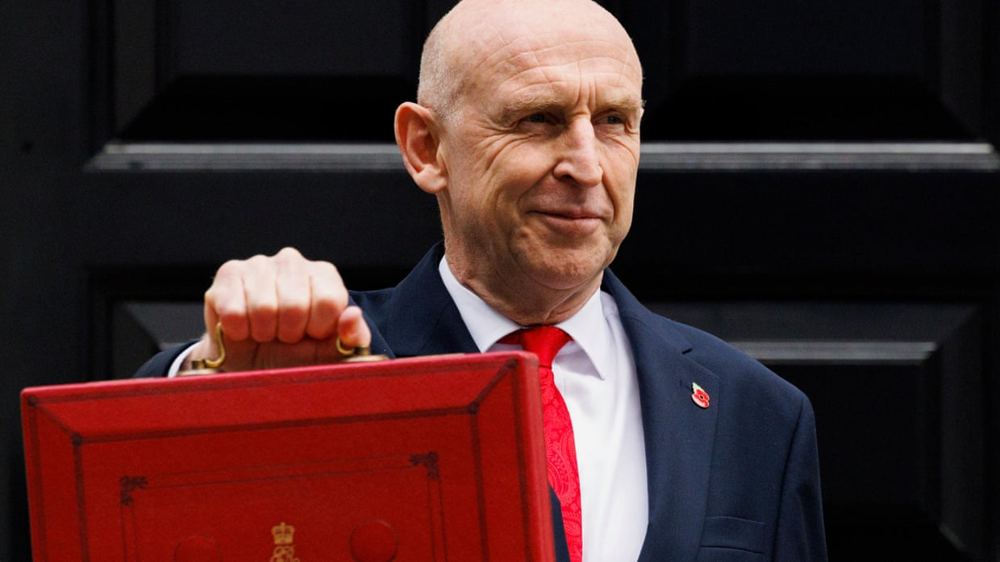
John Healey promised to steer Britain through “global economic storms” as he announced an energy giveaway of £100 to 80% of households in England, funded by a smaller than expected windfall tax on banks.
In his first budget, the chancellor said 20 million households in council tax bands A to D would receive a £100 payment, a measure he said would cost £2.6bn.
That includes equivalent funding for Scotland and Wales, whose governments can decide whether to replicate the measure. The policy will help a large number of middle earners, reaching houses worth up to about £600,000 in London.
“I know that with the conflict in the Middle East, rising energy bills are a real worry. I know that people look to government at times like this, not to solve all their problems, but to give them a bit of breathing space,” he said, announcing the payment.
The relief on bills comes at a cost to big banks via the banking surcharge rise, and to savers and landlords, who were hit with an unexpected tax rise.
Healey said his budget would shape Britain’s future on defence, energy, welfare and entrepreneurship. “This Labour government has set a course for fresh hope, good growth and support for those who need it.”
The chancellor also extended the VAT cut on electricity bills until next July, and as widely expected, cancelled fuel duty rises pencilled in by Rachel Reeves.
Healey said this would help businesses as well as consumers. “For millions of people, the cost of living and the cost of doing business are the same. The home is the office. The van is the family car,” he said.
He blamed the war in the Middle East for the deterioration in the economic outlook since Reeves’s spring statement, but insisted he would keep Labour’s deficit-reduction plans on track.
“Analysts like to speak of economic headwinds, but what we face today are global economic storms,” he said, describing his statement as “a budget built on fiscal discipline, which matches immediate action today with clear direction for the future”.
He said higher inflation as a result of the Iran war was expected to cost the government £14bn more in interest costs and the Office for Budget Responsibility had downgraded its growth forecast to 1% for next year, from the 1.6% it expected in the spring.
Healey nevertheless promised to meet Labour’s first fiscal rule, on balancing current spending with tax receipts by 2029-30, but with diminished headroom of £15bn, against the £24bn that Reeves set aside in March. He said the cushion would be rebuilt to £22bn by 2030-31. “That is what a buffer is for. Use it when you need it, rebuild it when you can.”
The chancellor said the energy package would be funded by a windfall tax on Britain’s banks and the unexpected two percentage-point income tax rise for landlords and savers.
He is doubling the additional levy the banks pay on their profits to 6% from the current 3% for 15 months from January. That fell short of the rise to 8% that many industry figures had expected.
Healey lavished praise on the sector as he announced the measure. “I want to say directly to our banks: I celebrate and I am grateful for the role that you play,” he said. Bank share prices rose after the announcement, with NatWest and Standard Chartered up by more than 4%.
Healey announced several measures intended to cut businesses’ costs, including raising the rates relief threshold from £12,000 to £18,000 for companies in the retail, hospitality and leisure sectors. The change would be funded by higher taxes on gambling and vape shops, he said.
There was a package of policies that Healey said would tackle the “moral mission” of homelessness.
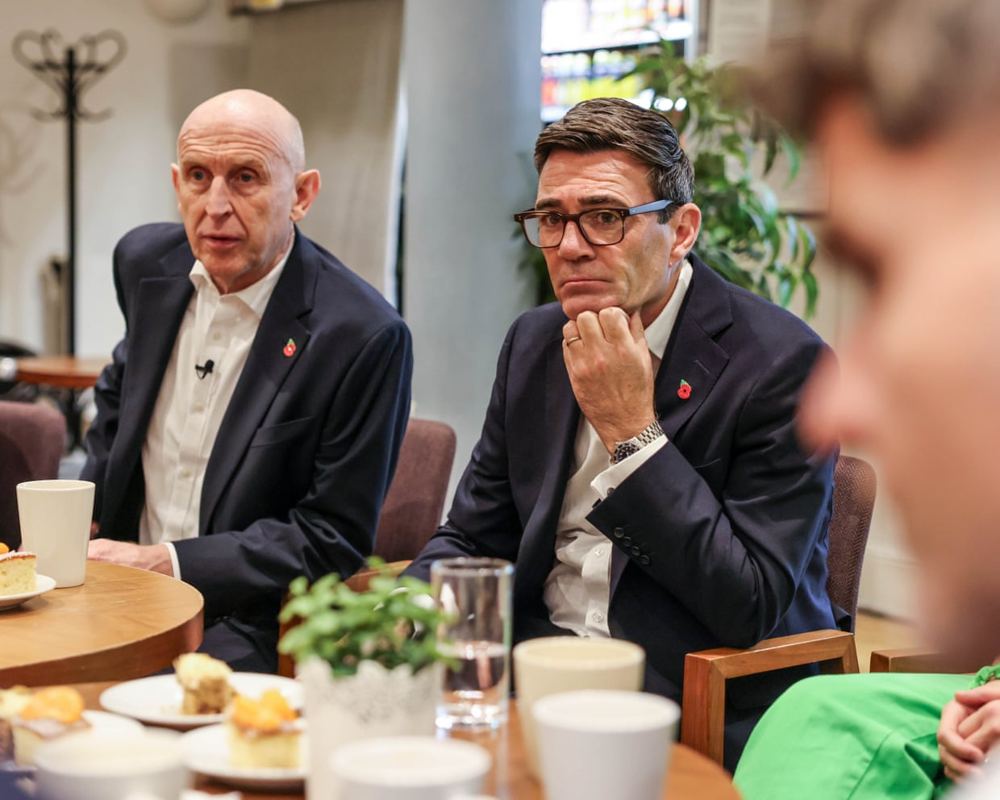
There will be no easing of fiscal drag, however, despite Andy Burnham previously expressing concern at the rate at which households were being pulled into higher rates of income tax.
Forecasts show that the freeze on tax thresholds will drag an extra 6.7m people into paying income tax and push 5.4m more into the higher rate band by 2031-32. The minimum wage will increase by 3.9% to £13.21 an hour, an increase of £910 to the gross annual earnings of a full-time worker.
Pensions will also rise thanks to the triple lock, but with new tax relief to keep pensioners from paying income tax as the state pension rises above the personal allowance for the first time. About 500,000 pensioners are to benefit.
Healey also announced sweeping new powers for regions, pledging all mayors would be given a share of income tax revenue from 2028. He said he intended that local and regional government would retain 100% of business rates income before the end of the decade.
He said the devolution package would be “new powers to the people who know their areas best, not sentimentality but supply-side economics”.