Air cargo rates to rise up to 15% in 2026 as Iran conflict chokes capacity
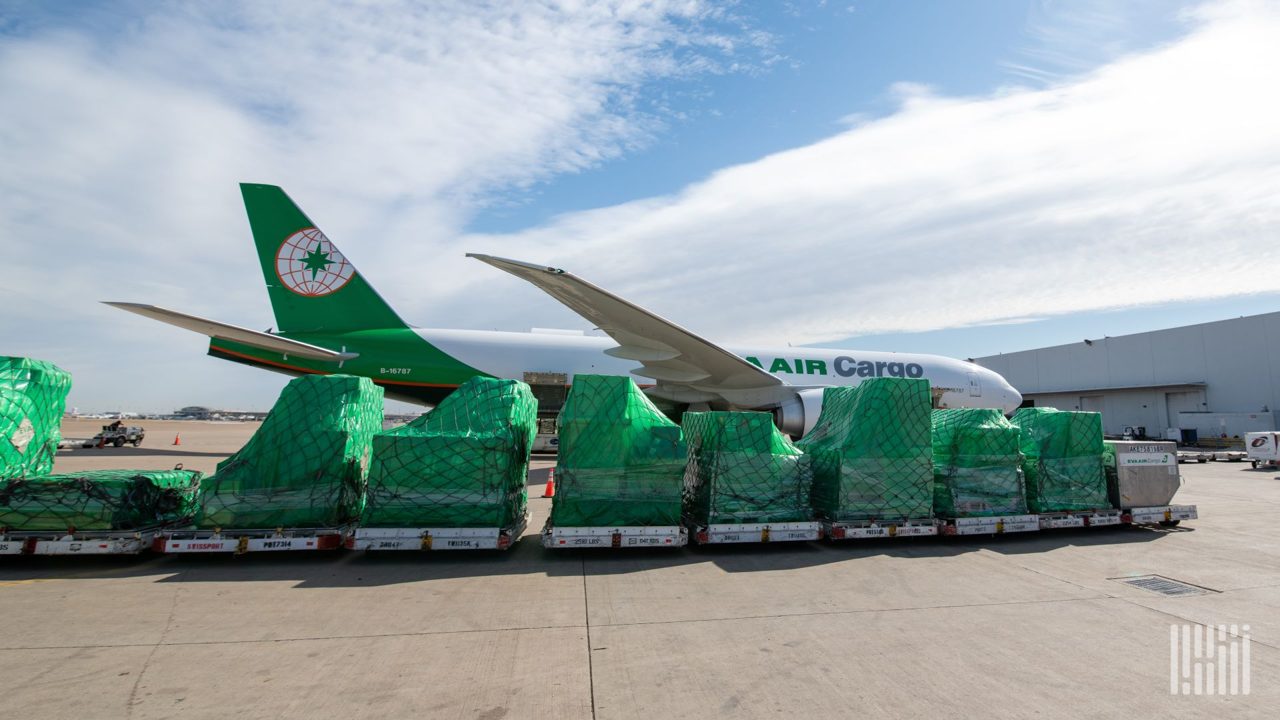
Resumed US-Iran hostilities have forced freight analysts to scrap forecasts for falling 2026 contract rates, promising a windfall for airlines but higher costs for tech shippers.
Freight analytics firm Xeneta said on Friday it now expects long-term air cargo contract rates to climb 5% to 15% in 2026, reversing an earlier forecast that predicted a decline of 5% to 10%. The abrupt revision follows the collapse of a ceasefire between the United States and Iran last week, which threatens to further tighten a market already strained by capacity shortages and surging demand for technology components.
When the Iran war began on Feb. 28, airspace closures and flight cancellations immediately removed more than 12% of global air cargo capacity from the market. Consultancy Rotate noted that initial reductions were closer to 20%. The disruption has complicated routing through the critical Middle East corridor, forcing longer transit times for freighter aircraft and reducing available space in passenger belly holds.
Supply constraints are colliding with robust demand. Xeneta reported that global air cargo demand grew 4% in the first half of the year, outpacing an initial full-year forecast of 2% to 3%. This growth is largely fueled by semiconductor shipments and AI-related hardware, which now account for roughly 10% of total air cargo volume. June alone saw demand jump 7% year-over-year against a supply increase of just 3%.
The resulting supply-demand imbalance has driven aircraft utilization up 3 percentage points to 62% and sent rates soaring. Combined spot and contract rates increased 17% in the first half compared to the same period last year. Spot rates for immediate delivery spiked 40% between May and June, while long-term rates rose 11%.
Major US carriers are already realizing significant revenue gains from this pricing power. United Airlines reported Wednesday that second-quarter cargo revenue jumped 22.6% to $527 million, bringing its first-half total to $859 million, up 10.5% year over year. Delta Air Lines posted a 39% increase in cargo revenue to $291 million last week. Higher yields were cited as the primary driver for both airlines.
Looking ahead, Xeneta expects full-year demand to land at the higher end of its December forecast, while full-year supply growth has been revised down to roughly 2%. While Boeing reported that international freighter capacity has grown 5% year-to-date, the persistent Middle Eastern disruptions mean shippers of high-value goods will likely face a significantly more expensive freight environment well into next year.