Chevron Says It Will More Than Double Its Drilling Rigs in Venezuela
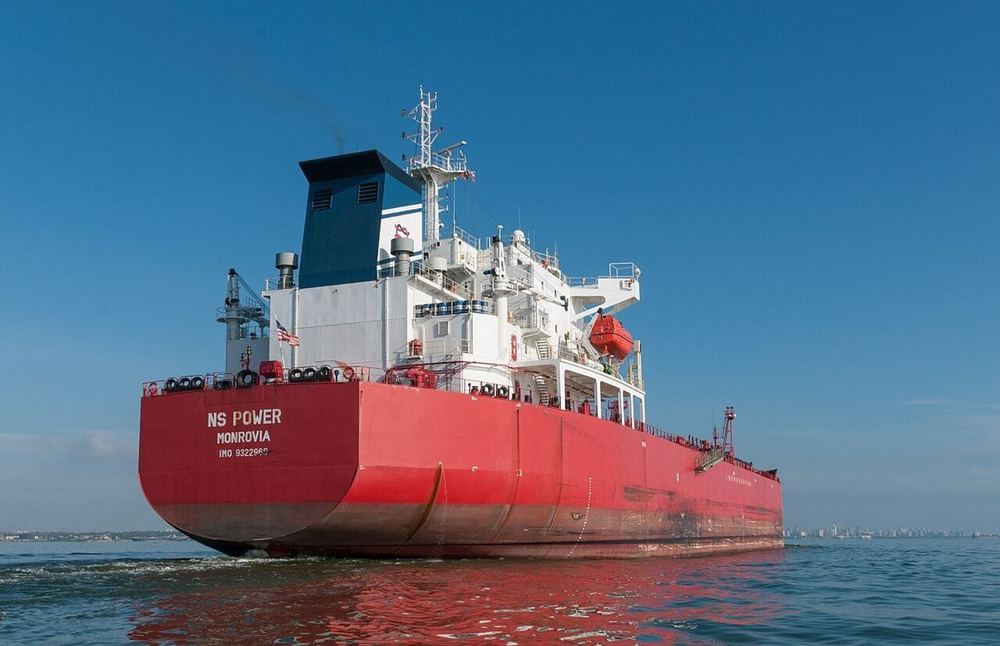
Chevron's finance chief said the company will more than double its rigs in Venezuela. No before and after numbers exist, and only six firms may operate. The post Chevron Says It Will More Than Double Its Drilling Rigs in Venezuela appeared first on The Rio Times .
Chevron is the one Western oil company already producing in Venezuela at scale. Its finance chief has now put a number on how much harder it plans to drill.
Two words in this story get mixed up constantly. Signing a contract and being licensed to operate are not the same thing.
Chevron’s chief financial officer, Eimear Bonner, spoke at an energy and power conference on 8 September.
Her words were that the company intends to increase the number of rigs, so more than double the number of rigs.
Note the phrasing. It is more than double, not double, and it refers to drilling rigs rather than offshore platforms.
Those two words are not interchangeable, and several accounts have used the wrong one.
No base figure and no target figure were given. Nobody on the record has said how many rigs Chevron runs today.
So we are not printing a from and to number. It does not exist in any source we could reach.
Chevron announced its expanded position in Venezuela on 3 September. The commitment is more than US$7 billion over five years.
The period runs to 2031. Current production is described as about 280,000 to 290,000 barrels a day.
The target is roughly 600,000 barrels a day, with a plateau of 600,000 to 700,000 for five to ten years.
Total cost per barrel is put below US$20. That is what makes the arithmetic work at current prices.
Bonner said the rigs would be added under new contract terms signed with Venezuela the week before.
Chevron’s own release names stakes in three joint ventures and three new asset assignments. It contains no rig count at all.
The United States controls this through general licences issued by its Treasury sanctions office.
One of those licences allows companies to negotiate and sign contingent contracts. It does not authorise them to perform.
That means no drilling, no production, no services and no payments under that licence alone.
A separate licence names the companies that may actually operate. There are six of them.
They are BP, Chevron, Eni, Repsol, Shell and Etablissements Maurel et Prom, plus their subsidiaries.
Everyone else holding a Venezuelan contract is holding a piece of paper they cannot yet act on.
One report says twenty-five companies have received market entry licences in Venezuela . That is not what happened.
A Colombian newspaper counted more than twenty-five companies weighing entry. That is an interest tally, not a register of licences.
An earlier count by another Colombian paper put the same number at seventeen. It is a moving press estimate.
A second claim concerns GeoPark and a figure of US$6.8 billion. We could not find that figure in any filing or release.
The actual deal is a share exchange. GeoPark issues 42.1 million shares to acquire a holding company from the Gilinski group.
The value cited is about US$160 million, and the result is that Gilinski takes majority control of GeoPark.
GeoPark’s own filing says closing depends on sanctions compliance. No US licence naming the company is on the public record.
Petrodelta is a joint venture between the state oil company and a private partner. The state holds 60% and operates it.
The private 40% was held by a Dutch vehicle belonging to the heirs of the late Venezuelan businessman Oswaldo Cisneros.
That stake and its rights were revoked by the oil ministry for alleged non-compliance. Proceedings opened in May and the revocation came in June.
The fields were transferred in July to Pacific Coast Energy Company, a firm based in Santa Barbara County, California.
The six fields are in Monagas Sur and Delta Amacuro, not the Orinoco Belt. Several reports place them wrongly.
The family says it invested more than US$2 billion plus a signing bonus above US$165 million, and is seeking about US$2 billion.
The revocation decision has never been published, and the government has neither confirmed nor denied the transfer.
Elliott Abrams, the special representative for Venezuela in the first Trump administration, published a critical column on 2 September.
His argument is that the arrangement gives the government a financial reason to stay. It also gives Washington a stake in that government’s stability.
His sharpest line is that the deal will fail if democracy returns, because most Venezuelans will oppose it.
This is an opinion column rather than testimony or a report. It should be read as one, and he is not the only critic writing that week.
A Caracas pollster released a survey on 8 September saying 82% of Venezuelans back the oil alliance with the United States.
The sample was 700 people, interviewed in a single day, with a stated margin of error of 3.5 points.



