California Billionaire Wealth Tax Faces November Vote Amid Capital Flight Fears
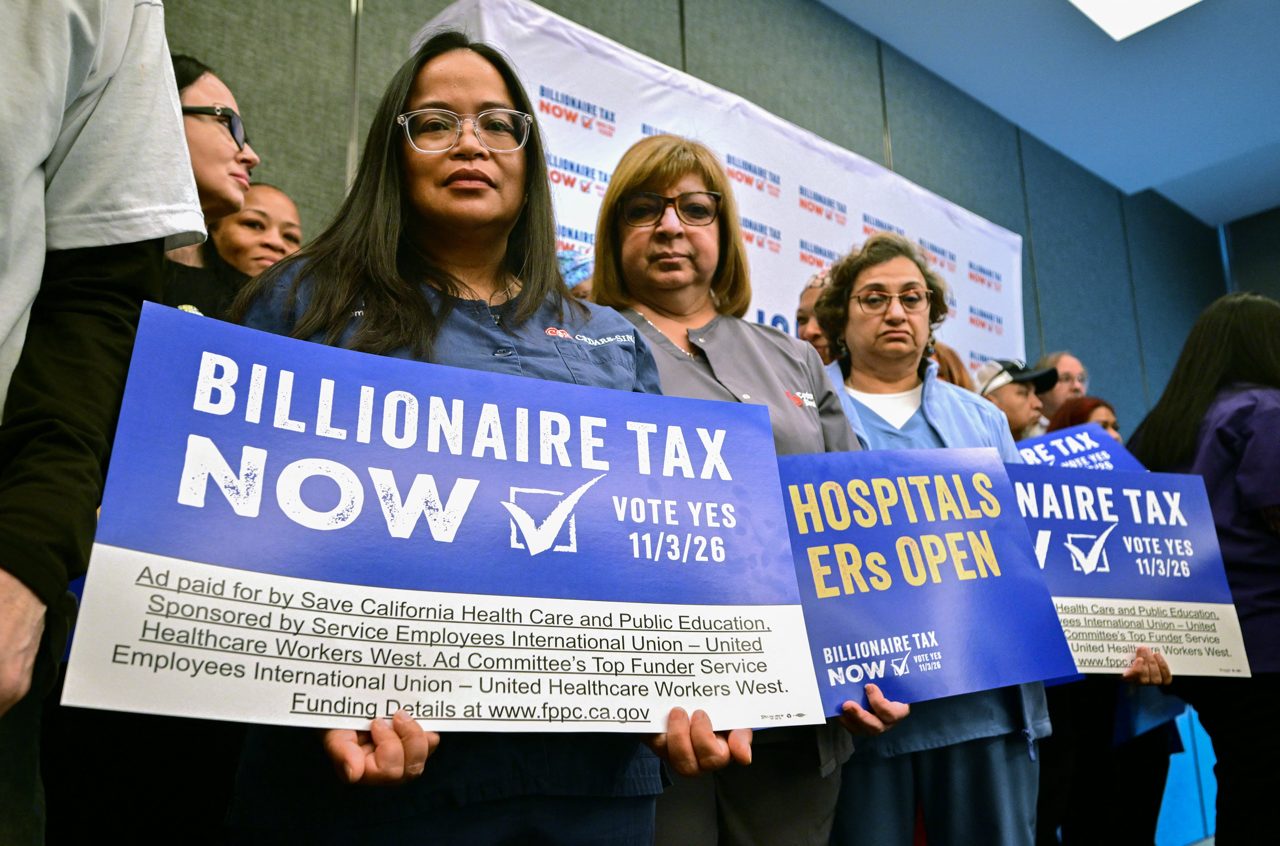
California voters will decide in November on a one-time 5 percent tax on billionaires, a move that could generate tens of billions in state revenue but risks triggering significant capital flight and setting a precedent for other high-tax jurisdictions.
California voters will decide in November whether to impose a one-time, 5 percent tax on residents and trusts with a net worth exceeding $1 billion. The proposal, driven by the Service Employees International Union, represents the first measure of its kind in the United States.
The stakes for the nation’s largest state economy are substantial. The nonpartisan Legislative Analyst’s Office estimates the state would initially collect tens of billions of dollars from the levy. However, the office warns that subsequent departures of billionaires could erase hundreds of millions of dollars annually in lost income tax revenue.
Governor Gavin Newsom has vehemently opposed the measure, arguing that wealth is movable and shops for the lowest taxes. His stance is echoed by Democratic gubernatorial nominee Xavier Beccera and Republican nominee Steve Hilton, who warned the policy would drive wealth creators out of the state.
Proponents argue the levy is necessary to maintain the state’s standard of living and offset healthcare cuts. University of Missouri law professor David Gamage, who helped craft the proposal, insisted that businesses thrive where people want to live, which requires functional health systems.
Capital Flight and Precedent
High-net-worth individuals are already taking defensive action. Google co-founder Sergey Brin has relocated his primary residence to Nevada and is funding a nonprofit campaign to neuter the ballot measure.
Reactions among the ultra-wealthy remain divided. Nvidia CEO Jensen Huang stated in January that he is perfectly fine with the tax, while businessman Tom Steyer campaigned on taxing billionaires. Conversely, the California Teachers Association opposes the measure, arguing it will not provide sustainable funding for schools.
The debate draws comparisons to Norway, which sharply increased its wealth tax five years ago. While Gamage notes the tax raises significant revenue without destroying the economy, macroeconomic data presents a mixed picture. Norway’s economic growth was nearly flat in 2023 and 1.1 percent last year.
Furthermore, a Norwegian think tank reported a 518 percent increase in wealthy residents leaving the country in 2022 and 2023 compared to the prior seven years. In response, Norway closed loopholes around its 37.8 percent exit tax in 2024 to stem the tide.
Other jurisdictions are watching the outcome closely. States like Washington and Massachusetts, along with municipalities like New York City, are considering or have implemented similar taxes on the wealthy to close budget gaps. California’s existing paradox of leading in innovation and access to capital while ranking poorly in business friendliness will face its ultimate test if the measure passes.