Ribena owner Suntory invests £200,000 to shield UK blackcurrant crops from climate stress
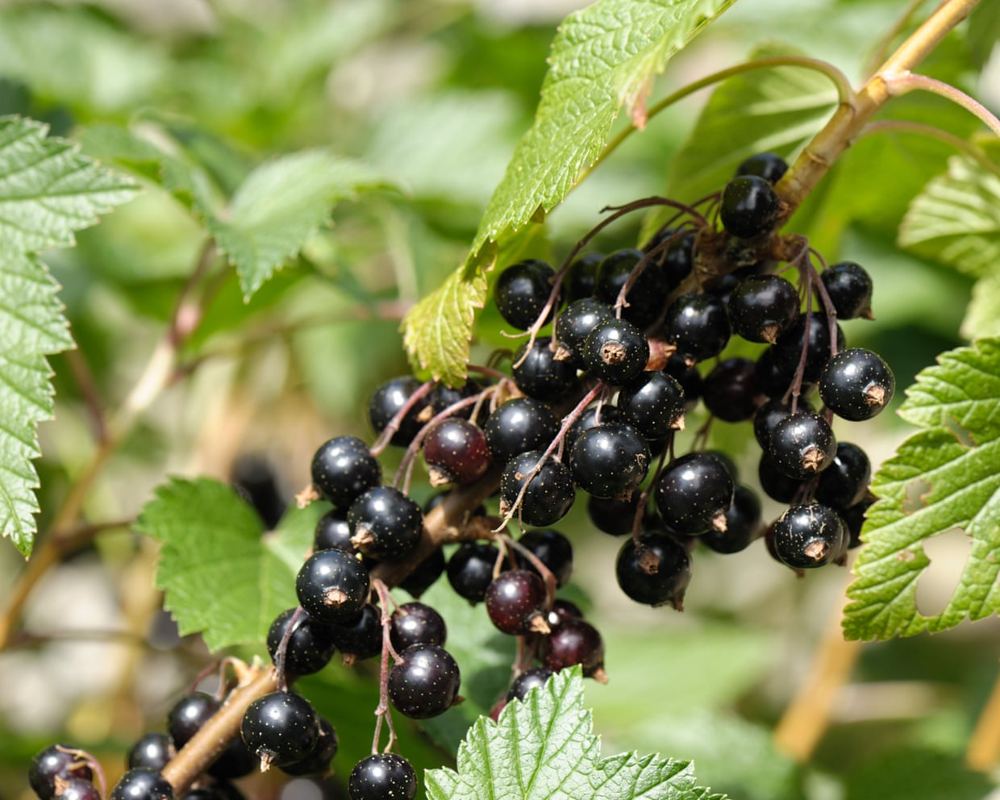
Suntory Beverage & Food is funding agricultural research to protect its blackcurrant supply chain after extreme weather triggered a projected 10 percent drop in this year’s UK harvest, highlighting the growing financial imperative for climate adaptation in agribusiness.
Suntory Beverage & Food is deploying £200,000 into agricultural research to help blackcurrant bushes survive extreme weather stress. This capital injection arrives as the current UK harvest faces a projected 10 percent shortfall against the historical 10,000-tonne average.
Growers across East Anglia, Gloucestershire, Herefordshire, Kent, and Scotland are navigating a compounding series of climate disruptions. A historically wet winter delayed essential pruning and weeding operations, which was quickly followed by localized spring frosts and hail.
Subsequent heatwaves in June and July scorched crops and triggered premature berry drop. Persistent dry conditions are also yielding smaller fruits, with minimal rainfall expected before the harvest concludes in early August.
Harriet Prosser, an agronomist at Suntory Beverage & Food, highlighted the operational toll of this volatility. She stated: “Every year, there seems to be another weather record. Following last year’s drought, growers have experienced one of the wettest winters on record, localised frosts and hail during spring, and now intense summer heat. It has been an exceptionally challenging season for blackcurrant bushes.”
This supply chain vulnerability presents broader implications for the agricultural sector and food manufacturers. While some soft fruits like blueberries and grapes benefit from elevated temperatures, strawberries face heightened survival risks heading into autumn. Major arable crops, including wheat, barley, and potatoes, remain similarly exposed to hot, dry spells.
To mitigate these systemic risks, Suntory is partnering with the Blackcurrant Foundation and the National Institute of Agricultural Botany (Niab). A collaborative research programme at East Malling in Kent will test organic soil additions, such as wool, pasteurised manures, and green waste products.
The initiative aims to enhance soil moisture retention, nutrient cycling, and overall bush vigour to stabilize yields. Concurrently, farmers are co-developing new blackcurrant varieties capable of high production without requiring prolonged winter cold, directly adapting to global heating trends.
Jo Hilditch, chair of the Blackcurrant Foundation and a Herefordshire grower, emphasized the structural necessity of this adaptation. She noted: “As growers, we’re incredibly resilient, but there’s no doubt we’re farming in a very different climate from even a decade ago. Every season now seems to bring a new challenge, whether it’s prolonged wet weather, late frosts or intense summer heat.”
Hilditch added that even growers in traditionally rainy regions may soon need to install reservoirs and irrigation systems. This underscores a critical shift in agricultural capital expenditure, as food producers must fund long-term resilience to protect margins and ensure supply continuity.