Tech and finance leaders warn AI boom is concentrating wealth
Palantir chief Alex Karp and BlackRock CEO Larry Fink are among a growing chorus of business leaders warning that AI will drive a historic transfer of wealth to a narrow elite, raising the spectre of a regulatory backlash.
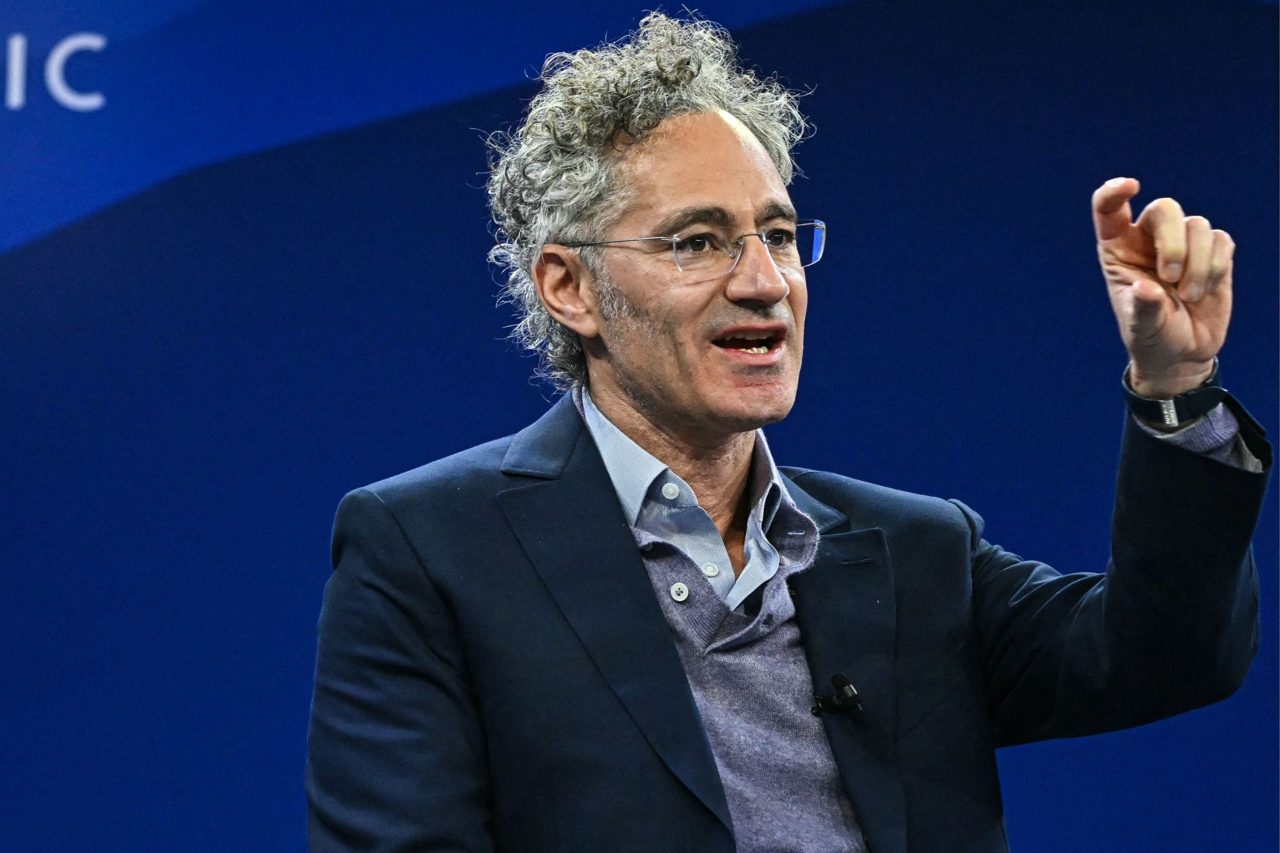
Palantir CEO Alex Karp, whose company now boasts a roughly $322 billion market value, has predicted the artificial intelligence boom will multiply his personal fortune twentyfold to roughly $300 billion, while middle-class workers see their salaries merely double over the next decade. Speaking on the MDMeets podcast, the 58-year-old, whose current net worth stands at about $15 billion, described the trend as a “complete decoupling of unimaginable wealth and normal wealth.” He attributed this dynamic to gains captured by “very oddly shaped IQ specimens” who are overselling the technology.
Karp’s personal projections mirror a broader macroeconomic shift. Global billionaire wealth surged by over 16% in 2025 to a record $18.3 trillion, according to Oxfam, growing three times faster than the previous five-year average. The surge has been heavily concentrated at the very top, with Elon Musk’s fortune briefly crossing the $1 trillion threshold earlier this year.
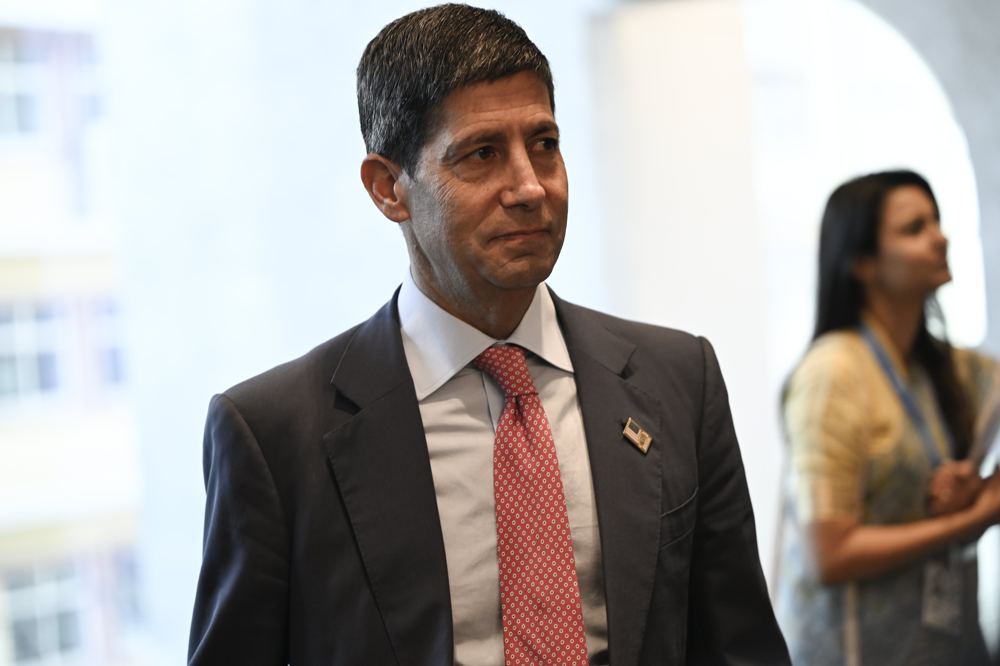
For investors, the core issue is where the economic rent is accumulating. BlackRock CEO Larry Fink told the World Economic Forum that the “early gains are flowing to the owners of models, owners of data and owners of infrastructure.” Fink warned that if AI does to white-collar workers what globalization did to blue-collar workers, the resulting inequality could become unsustainable for advanced economies.
This fear of displaced labour is shared by AI pioneers. Computer scientist Geoffrey Hinton has warned that AI will be used to replace workers, generating massive unemployment and profit. Even JPMorgan Chase CEO Jamie Dimon, who struck a more measured tone, conceded to Axios that the economy has “left the lower-income folks behind.”
The public alarm from the primary beneficiaries of the AI boom carries significant weight for markets. By explicitly framing the current market rally as a mechanism for extreme wealth concentration, executives like Karp and Fink are effectively outlining the systemic risks facing the technology sector. The scale of the disparity is immense; Oxfam estimated that a 10% wealth tax on a $1 trillion fortune would yield $100 billion, enough to lift more than 800 million people out of extreme poverty for a year. That mathematical reality underscores the mounting pressure policymakers may face to intervene in the AI wealth transfer.