MMG faces EU antitrust warning over Anglo nickel deal
Brussels is preparing formal objections to the Brazilian nickel acquisition amid concerns over critical mineral supply.
European Union regulators are reportedly preparing to warn MMG over its planned acquisition of Anglo American’s (LON: AAL) Brazilian nickel business amid concerns the deal could threaten competition.
The European Commission (EC), the EU’s competition watchdog, plans to issue a statement of objections, or charge sheet, later this month, Reuters reported, citing three people familiar with the matter. The document would outline concerns MMG would need to address to secure approval.
The potential warning comes as the EU seeks to reduce its reliance on China for critical minerals used in defence, technology and renewable energy amid Beijing’s use of export controls on some mineral supplies.
MMG could avoid receiving the charge sheet by offering remedies to address the Commission’s concerns, although one of the people cited by Reuters said that outcome was unlikely.
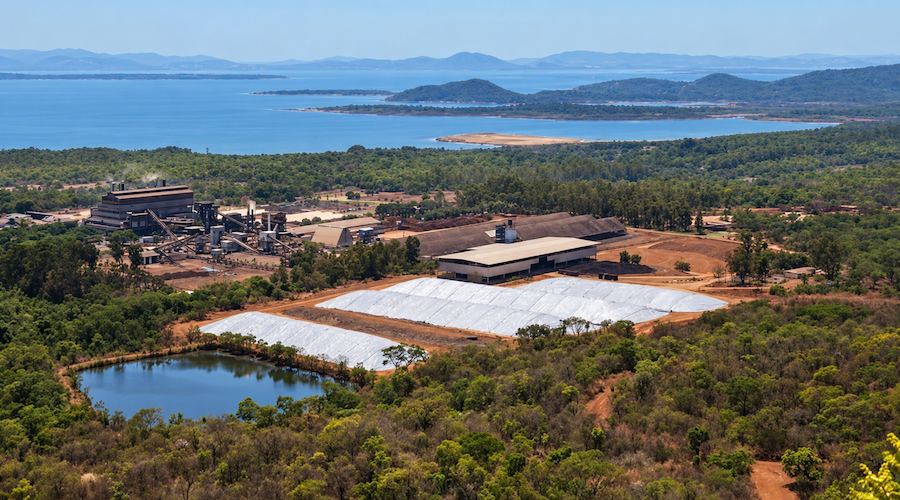
MMG agreed in February 2025 to acquire Anglo’s Brazilian nickel business, including two ferronickel operations and two greenfield projects. The Hong Kong-listed miner is controlled by state-owned China Minmetals.
The transaction has faced regulatory scrutiny beyond Europe. Brazil’s competition authority launched an investigation following a complaint by CoreX Holding, an industrial group and competitor in the region.
The EC said in November that the acquisition could give MMG the ability to divert ferronickel supplies away from Europe, potentially weakening the competitiveness of the region’s stainless steel producers.
Anglo has argued the transaction should be approved without conditions, pointing to an expansion in ferronickel supply from several producers and the ability of European customers to switch suppliers.
The company also said EU measures limiting Chinese steel imports mean Chinese stainless steel cannot simply be redirected into the bloc and therefore should not be considered a competitive threat.
The case puts the transaction at the intersection of competition policy and Europe’s push to secure critical mineral supply chains as governments increasingly scrutinize Chinese involvement in strategic resources.
A formal statement of objections would not itself block the acquisition, but would require MMG to answer the Commission’s competition concerns as the regulator weighs whether the deal can proceed.
The offer will lock in a 17% pay increase over the four years of the agreement for most workers, according to BHP.