NGCL introduces fixed-price ISO certification pathway for Nigerian SMEs
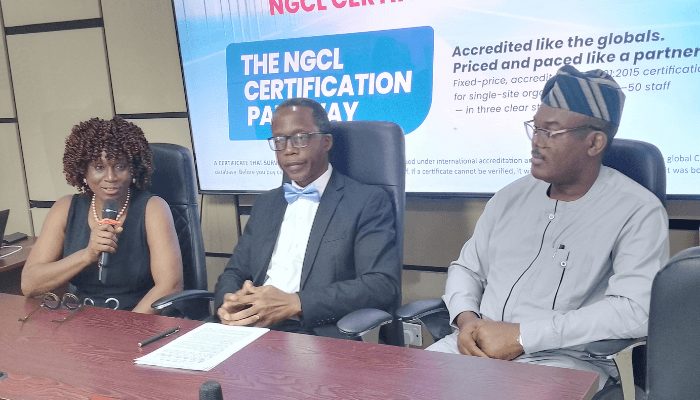
Neca’s Global Certification Limited has launched a transparent, naira-priced ISO 9001 certification programme to help Nigerian small businesses secure government contracts and access export markets under the African Continental Free Trade Area.
Neca’s Global Certification Limited (NGCL) has introduced a structured, three-stage programme to make ISO 9001:2015 certification more accessible to micro, small and medium enterprises in Nigeria. The Lagos-based accredited body designed the pathway to replace unpredictable costs and foreign currency payments with fixed, published pricing in naira.
Targeted at single-location businesses with 10 to 50 employees, the initiative covers readiness assessment, formal certification audits and ongoing compliance support. To ease cash flow constraints, the final phase offers certificate maintenance through quarterly payment options alongside annual surveillance audits and refresher training.
Noruwa Edokpolo, acting managing director of NGCL, stated that the businesses needing certification for tenders and export markets have historically been the least able to access it. He emphasized that the new model allows companies to understand the entire journey, including costs and timelines, before committing resources.
This development addresses a critical bottleneck for Nigerian enterprises aiming to integrate into regional and global value chains. Internationally recognised quality management certification is increasingly a prerequisite for supplying multinational corporations and participating in government procurement.
The initiative directly supports export opportunities under the African Continental Free Trade Area, where credible documentation is essential. Unlike certificates from unaccredited providers, every NGCL certificate will be independently verifiable on the International Accreditation Forum CertSearch database.
NGCL maintains strict independence by refusing to offer consultancy services or prepare documentation for the organisations it certifies. This aligns with international accreditation requirements and ensures the ongoing integrity of the quality assurance process.
Industry analysts note that structured quality management systems help smaller firms improve operational efficiency and reduce waste. As Nigeria seeks to diversify its economy through non-oil exports, lowering barriers to accredited certification positions local businesses to compete for larger corporate contracts.