Central bank diversification breaks historic dollar-gold link
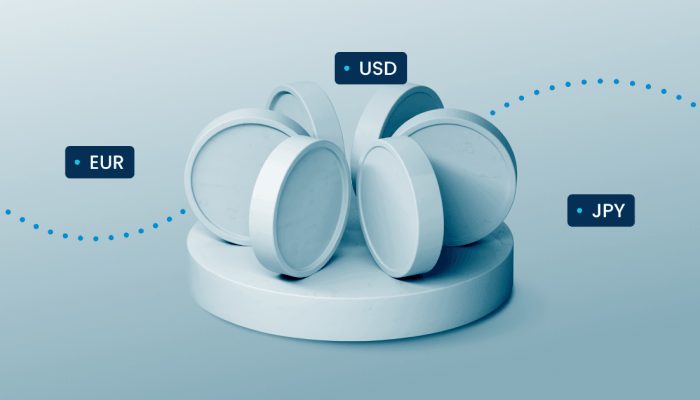
A structural shift by central banks to diversify reserves has broken the decades-long inverse correlation between the US dollar and gold, creating a new challenge for macro traders.
The US dollar and gold are no longer moving in opposite directions. In 2026, both reserve assets are attracting defensive capital simultaneously, rendering the historical inverse correlation unreliable for institutional positioning and macro hedging.
Since 2000, World Gold Council data shows the correlation between the dollar and gold typically ranged between -0.5 and -0.8. This predictable dynamic allowed investors to use the pair as a dependable macroeconomic signal to gauge risk sentiment. That framework has now collapsed.
The divergence is driven by a structural rebalancing of global foreign exchange reserves. Accelerating geopolitical fragmentation and a multipolar global economy are pushing central banks away from concentrated single-currency exposure. This is generating independent, institutional demand for bullion that operates entirely outside of traditional currency correlations.
Recent HSBC research underscores the scale of this shift. The bank found that 73% of reserve managers are currently invested in gold, up from 69% the previous year. Furthermore, 72% of those surveyed stated that elevated prices are not deterring further purchases.
Emerging market central banks have led this charge, accumulating a record 1,037 tonnes of gold in 2023 alone. This sustained, heavy buying is structurally re-pricing the relationship between the two assets, meaning the current complexity is not a temporary anomaly.
Crucially, this aggressive gold accumulation does not signal a collapse in confidence in the US currency. The same HSBC survey reported that 80% of respondents still view the dollar as the safe-haven currency of choice. This dual demand explains why both assets can rally or weaken in tandem.
"The current dynamic we are seeing in 2026 would have seemed contradictory not too long ago," notes Eric Chia, Financial Markets Strategist at Exness. "Both assets are drawing defensive capital simultaneously and no longer behaving as opposites. That tells you something important about how the market is reading the situation at this present moment."
For active traders, historical strategies built on stable inverse correlations have become less reliable as price action reacts to overlapping forces. "What is clear is that this is not purely a sentiment-driven move," adds Chia. "The structural shift in the way central banks are approaching reserve allocation is feeding directly into the market behaviour of both assets. Ultimately, this adds an extra layer of complexity that is unlikely to resolve quickly, meaning current trends could continue."