Nigeria pivots to concrete for Lagos-Ibadan highway rebuild
Nigeria is switching to reinforced concrete to rebuild the deteriorating Lagos-Ibadan Expressway, a policy shift aimed at cutting long-term maintenance costs and smoothing trade along the country's primary economic corridor.
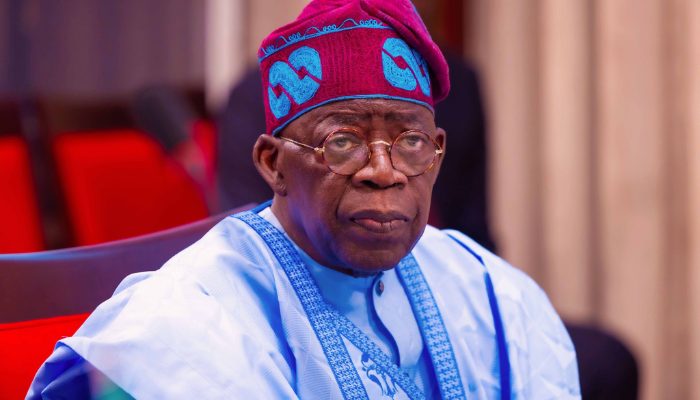
President Bola Tinubu has approved the reconstruction of the 135-kilometre Lagos-Ibadan Expressway using reinforced concrete pavement, marking a significant shift in the country's road-building strategy. The decision follows the rapid deterioration of the vital trade route, which has begun to fail despite being less than five years old. Works Minister David Umahi announced the approval on Thursday in Abuja.
Previous repair attempts on the dual carriageway failed to resolve recurring structural defects. “The president approved yesterday the reconstruction of the Lagos-Ibadan road, and that is the justification for our fight for the use of reinforced concrete pavement,” Umahi said. “We took journalists there. We took members of the National Assembly there. You could see the road failing. They repaired it, and it still failed.”
The government is now betting on concrete to reduce the long-term fiscal burden of infrastructure upkeep. “The answer is to reconstruct it using reinforced concrete pavement that will last between 50 and 100 years, maintenance-free,” Umahi noted. A 50-year lifespan would fundamentally alter the maintenance cycle for a road that currently requires constant repairs, potentially easing federal budgetary pressures.
Broader Infrastructure Push
The expressway overhaul is part of a wider series of infrastructure approvals designed to improve domestic connectivity and facilitate regional trade. Tinubu authorized a 400-kilometre extension of the Fourth Legacy Highway, expanding the planned corridor from roughly 700 kilometres to about 1,100 kilometres. This new stretch will pass through Taraba State to link Nigeria's North Central and North East regions.
The president also moved to address legacy project delays by approving the resumption of the Ibi Bridge project in Taraba, which stalled in 2018 after reaching roughly 40 percent completion. “Yesterday, the president approved the review and completion of the Ibi bridge in Taraba State,” Umahi said. Additionally, the 5.76-kilometre Lau Bridge across the Benue River was cleared for design, procurement and award.
A 400-kilometre section of the Lokoja-Benin corridor will also be dualised, adding to the pipeline of major road investments. For construction firms and cement suppliers, the concrete mandate and expanded project scope signal a substantial increase in upcoming contract volumes. More broadly, completing these corridors is essential to reducing the logistics costs that currently constrain Nigerian supply chains and corporate profitability.