Iraq licences Starlink as Washington summit yields $60bn deals
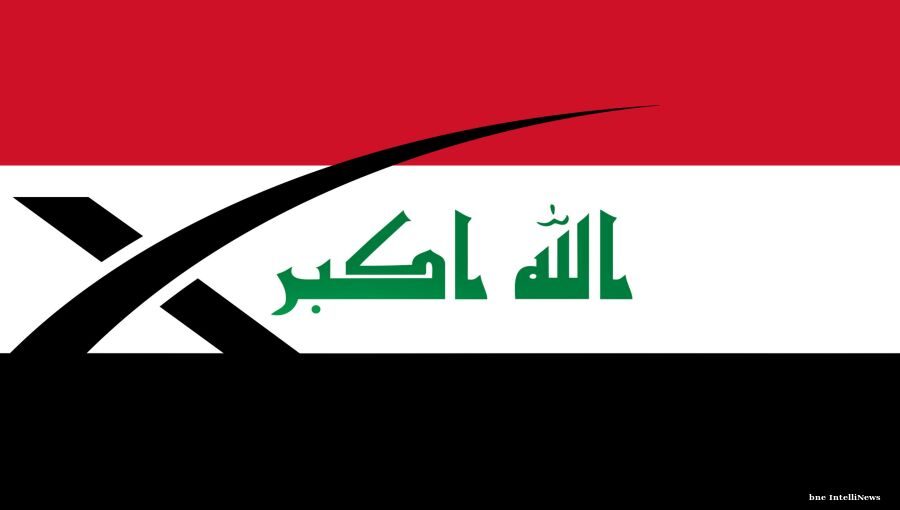
Iraq has licensed SpaceX's Starlink and signed over $60 billion in agreements with US firms, signalling a push to modernise its infrastructure and attract foreign capital.
Iraq has granted Starlink an operating licence to deliver satellite internet, marking the end of protracted negotiations that spanned two separate administrations in Baghdad. The formal agreement was signed at the US Chamber of Commerce in Washington on July 17 by Prime Minister Ali al-Zaidi and Baligh Abu Kalal, executive chairman of Iraq's Communications and Media Commission.
The licence allows Elon Musk's SpaceX to bypass Iraq's constrained ground-based networks and offer low-Earth orbit broadband directly to consumers and businesses. For investors, the regulatory approval represents a meaningful opening in a frontier market where fixed and mobile infrastructure remains severely limited in remote areas. The CMC explicitly framed the entry as a catalyst for the government's broader digital transformation programme.
The Starlink arrangement was just one piece of a much larger commercial diplomatic push. It was among 48 agreements and memoranda of understanding signed during the Washington summit, with energy, infrastructure and technology projects comprising the bulk of the portfolio. Initial agreements with US firms alone were valued at more than $60 billion.
A major component of that package is a deal with Chevron to rebuild the crude pipeline running from Kirkuk to Baniyas in Syria. This type of large-scale energy infrastructure investment is critical for Iraq as it seeks to restore and modernise its export capacity amid shifting regional dynamics.
"We are using an open-door policy," al-Zaidi told the summit. "Everybody who has a project can come and talk to us." The prime minister's comments reflect a deliberate strategy to position Iraq as a receptive destination for international capital after years of institutional stagnation.
Starlink's arrival also coincides with an aggressive regulatory cleanup of Iraq's domestic telecoms sector. The CMC has spent three years pursuing unpaid debts owed by mobile operator Korek Telecom, escalating to asset seizures in May. By resolving legacy disputes and introducing a deep-pocketed foreign competitor, the regulator is attempting to force market discipline while accelerating the country's 5G rollout.
Securing the Starlink licence required persistent high-level engagement. Former prime minister Mohammed Shia al-Sudani met with SpaceX delegations in May and December 2025 to negotiate coverage parameters and the precise terms of market entry. The CMC granted its initial regulatory approval in June, a milestone publicly welcomed at the time by al-Zaidi and Tom Barrack, the US special presidential envoy for Iraq.