Colombia Election Win Signals End to Drilling Freeze, Shale Revival
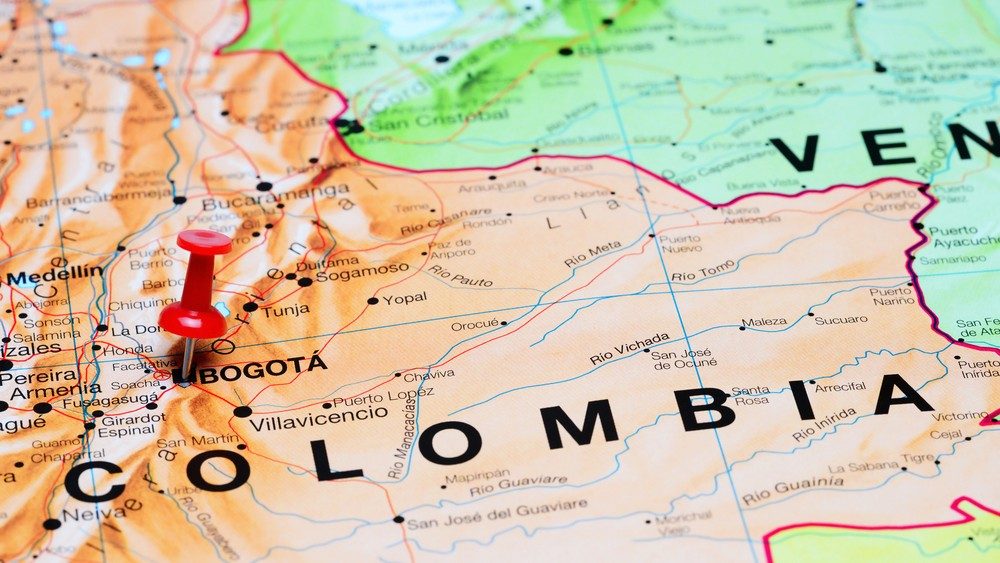
In a closely contested presidential election in Colombia, controversial far-right candidate Abelardo de la Espriella emerged victorious. After an official recount, his opponent, left-wing senator Ivan Cepeda, conceded defeat. This was a hard-fought campaign which split the community, sparking much controversy across Colombia. While debate rages over De la Espriella’s policies and ascension to power, it is clear his presidency will be a godsend for Colombia’s beaten-down, economically critical oil industry. After the closest election…
Abelardo de la Espriella has won Colombia’s presidency by a margin of less than one percent following an official recount, defeating left-wing senator Ivan Cepeda who conceded the tightly contested race. The victory signals a sharp political pivot that will immediately reshape the country's energy sector.
Colombia's hydrocarbon sector has deteriorated severely over the past ten years, creating acute macroeconomic headwinds. Oil production fell to 724,910 barrels per day in April 2026, a steep drop from 915,087 barrels per day a decade prior. Natural gas output plummeted to 694 million cubic feet per day in April, compared to 1 billion cubic feet per day just a month earlier, forcing the nation to import nearly a third of its gas consumption.
This widening supply deficit is straining public finances and stoking inflation. Annualized inflation reached 5.84% in May 2026, driven significantly by natural gas prices that surged 25% to 36% across many regions. The growing reliance on costly imported liquefied natural gas and diesel is creating structural balance-of-payments problems as the government attempts to manage a fiscal deficit projected to reach 7% to 8% of GDP.
De la Espriella aims to achieve 7% annual GDP growth by aggressively reversing the collapse of the oil patch. He plans to resume issuing exploration and production contracts, ending a strict drilling moratorium implemented by former President Gustavo Petro in August 2022. The president-elect has also vowed to defend state-controlled Ecopetrol while positioning natural gas as a necessary bridge fuel during the clean energy transition.
A central element of this revival is the reintroduction of hydraulic fracturing through heavily regulated pilot projects. According to the National Hydrocarbons Agency, Colombia holds roughly 3 billion recoverable barrels of shale oil and 34 trillion cubic feet of shale gas. Operators will be restricted to geologically stable zones without seismic risk, must protect water sources and indigenous rights, and are required to obtain direct community consent, mirroring a 2022 Council of State ruling.
Reviving production will also depend on improving physical security in hydrocarbon-rich regions. De la Espriella intends to deploy military strikes against illegal armed structures that have disrupted oil operations. These energy policies will be paired with fiscal austerity measures managed by Vice President José Manuel Restrepo Abondano, the former finance minister, offering investors a clearer, if controversial, path forward for Colombia's energy sector.