Nigeria private sector credit hits N83.43 trillion as government borrowing falls
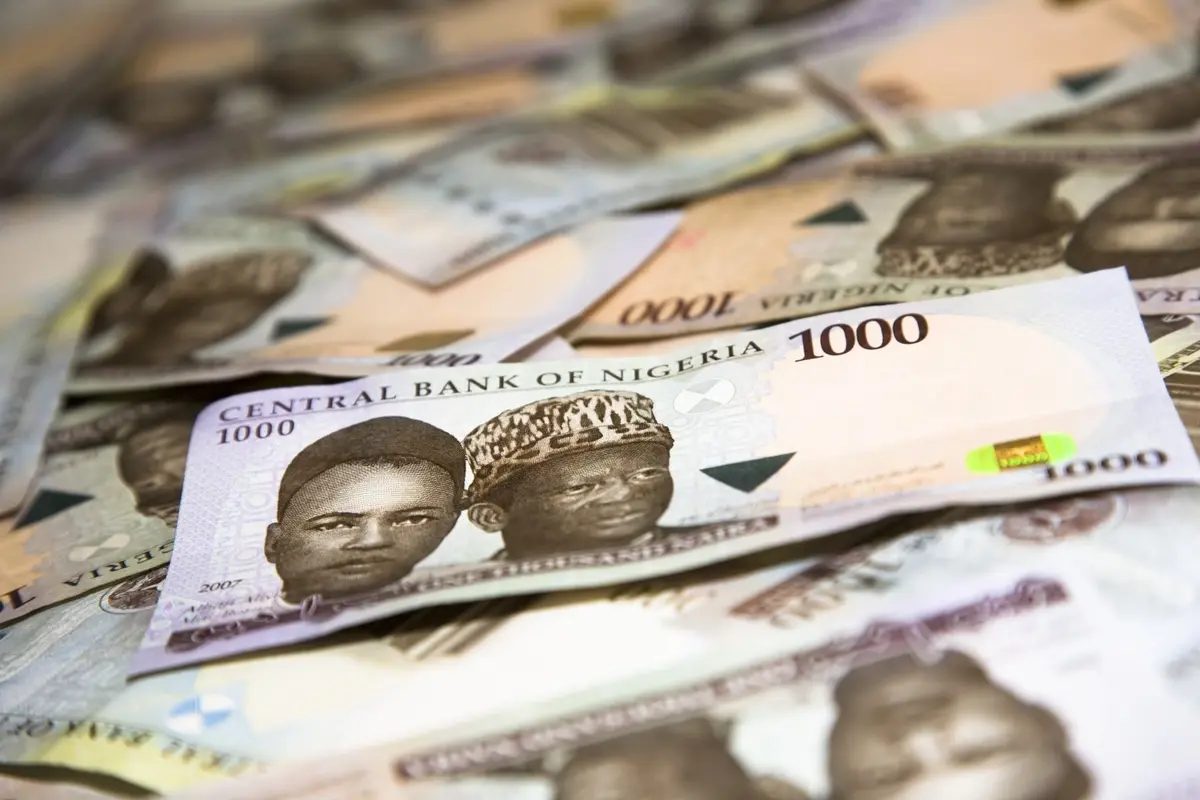
Nigerian businesses increased their borrowing to N83.43 trillion in July despite a contraction in overall domestic credit and a sustained high interest rate environment.
Credit extended to Nigeria’s private sector climbed to N83.43 trillion in July 2026, expanding by N2.84 trillion over the previous three months. The Central Bank of Nigeria reported that this 3.52% quarterly increase reflects rising demand for corporate and secured loans alongside lower default rates.
This private expansion occurred even as net domestic credit contracted by N5.94 trillion to N117.35 trillion in July. The shift indicates a structural change in credit allocation, with lending to the government plummeting from N40.03 trillion in June to N33.92 trillion the following month.
The quarterly growth was heavily front-loaded, with the most aggressive expansion of N2.22 trillion happening between May and June. Growth moderated sharply in July, when private sector lending expanded by just N171.80 billion, indicating that the 26.50% Monetary Policy Rate is constraining new borrowing.
First-quarter data reveals a clear divergence in how this credit is being deployed across the economy. Lending to real estate, power, and trade expanded significantly by March, while manufacturing and oil and gas experienced notable contractions in their credit lines.
The manufacturing squeeze aligns with industry complaints, as the Manufacturers Association of Nigeria previously highlighted a N1.92 trillion drop in sector credit between December 2024 and December 2025. Broader consumer credit also remains under pressure, having fallen by nearly 20% to N3.78 trillion in 2025.
The central bank maintained its restrictive stance at the July monetary policy meeting to prioritize inflation control over immediate economic stimulation. However, private sector operators like the Centre for the Promotion of Private Enterprise have cautioned against further rate hikes, arguing that additional tightening could derail the economic recovery.
Despite the tight policy rate, systemic liquidity continues to expand. Nigeria’s broad money supply grew by 16% year-on-year to reach N138.78 trillion in July, highlighting the complex macroeconomic environment facing investors and corporate planners.