West African ports must integrate digital systems to cut costly anchorage delays
Fragmented digital infrastructure across West African ports is generating massive operational losses, making coordinated data sharing essential for regional trade competitiveness.
A recent vessel waiting nearly 12 days at anchor off Lagos incurred an estimated $250,000 loss in earning capacity for a single call. This delay highlights a critical coordination failure across West African ports that threatens regional trade competitiveness.
The region is not lacking in digital initiatives. Nigeria is developing a Port Community System and an electronic truck call-up system, while ports in Tema, Abidjan, Lomé, and Banjul are also advancing their digital infrastructure.
The cost of fragmented systems
However, these systems operate in isolation rather than as a connected chain. When berth planning, terminal operations, and gate capacity are managed through disconnected platforms and manual updates, a single maritime delay rapidly cascades into landside congestion.
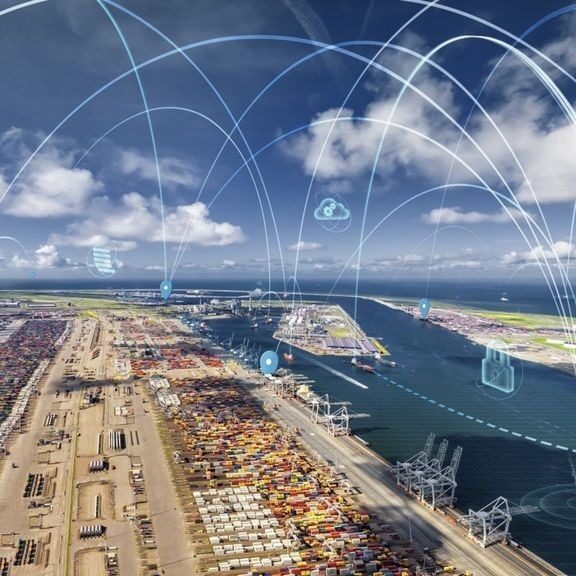
A proven alternative exists in the Port of Rotterdam. Its PortXchange Synchroniser platform allows shipping lines, terminals, and authorities to share real-time data on vessel arrivals and berth readiness.
This shared ecosystem enables vessels to adjust their speed and arrival times, reducing waiting times by an average of 20 percent across 30,000 annual vessel calls. The result is lower fuel consumption, reduced emissions, and better berth utilisation.
A global framework for local use
This methodology is now becoming a global standard. In March 2026, the International Association of Ports and Harbours and the International Harbour Masters Association published the Port Call Optimisation Guide V1.0.
Backed by more than 40 maritime organisations, this framework establishes a common protocol for exchanging core port-call information and has already been pilot-tested between Rotterdam and Singapore. West African ports can leverage this existing framework without starting from scratch.
Authorities could begin by standardising data exchange for a single berth or vessel route to establish a baseline for anchorage time and berth utilisation. Integrating vessel data with landside operations offers immediate economic value.
In Nigeria, companies like WATT already manage electronic truck call-ups and yard occupancy, demonstrating the efficiency of coordinated operational information. Connecting these landside systems with vessel arrival data would extend just-in-time planning from the quay to the wider logistics corridor.
Every unnecessary hour at anchor, idle tug, or delayed truck carries a direct financial cost. As noted by Jama Onwubuariri, Managing Director of intelligent mobility solutions company TTP, the fundamental question for port authorities and shipping lines is why existing information is not being used collectively. Making current investments work together is the next critical step for West Africa’s maritime economy.