Heat waves constrain all power generation amid rising cooling demand
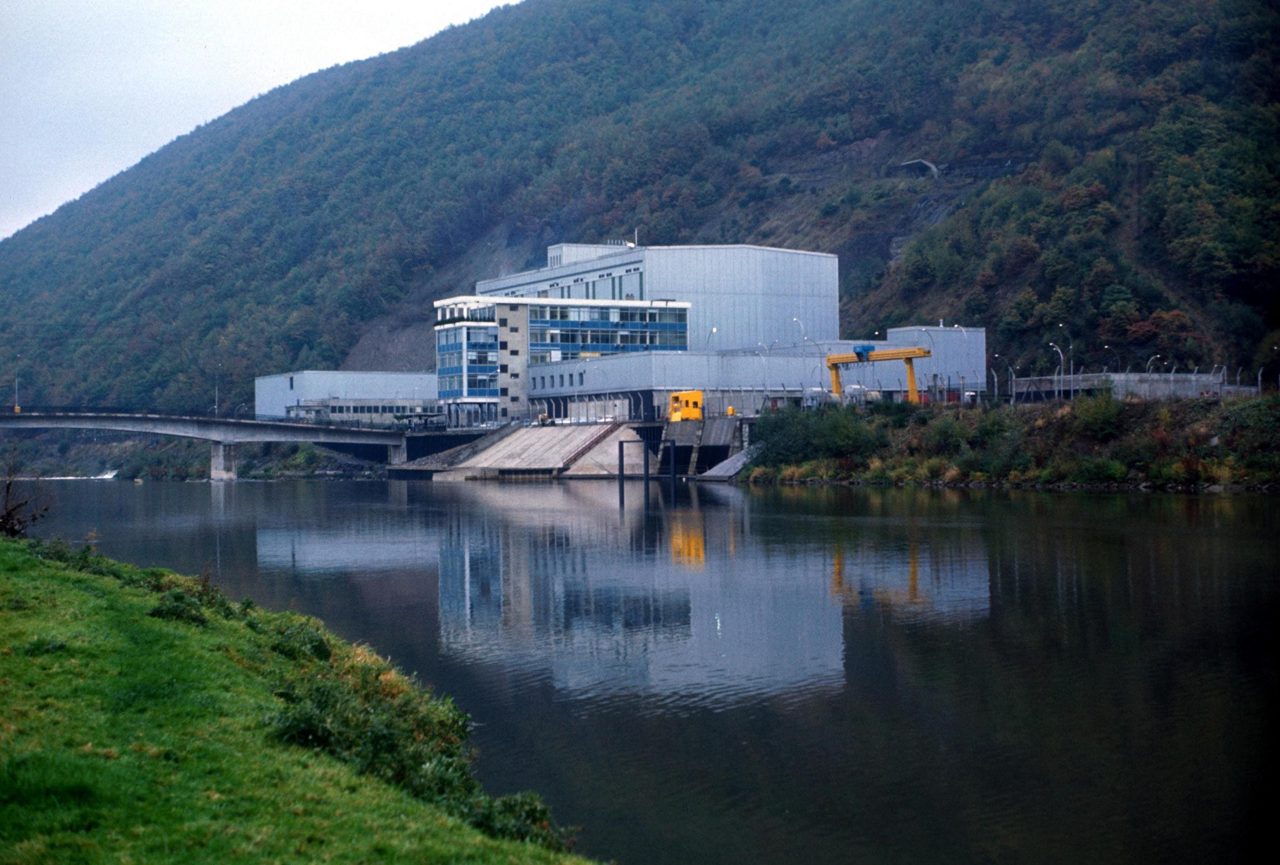
Record European heatwaves are reducing electricity output across all generation technologies just as cooling demand surges, creating a systemic pricing and supply risk for power markets.
Europe’s 2026 heatwaves have forced output reductions at power plants across the continent. While market attention has focused disproportionately on nuclear curtailments along the Rhône and Rhine, extreme heat is degrading the efficiency of the entire power generation fleet.
Thermal plants that rely on water cooling—nuclear, coal, natural gas, and biomass—lose roughly 0.3% to 0.5% of cycle efficiency for every 10F increase in cooling water temperature. Nuclear curtailments are driven by commercial and environmental regulations on thermal discharge, not safety concerns, and historically represent less than 1.5% of annual output. Large coal plants have faced identical regulatory constraints during the current heatwaves, but nuclear attracts the spotlight due to its political visibility and the sheer scale of individual facilities.
Renewables offer no refuge from the thermal stress. Solar panels lose 0.3% to 0.5% efficiency for every 1C above standard testing temperatures of 25C. Given that baseline solar efficiency sits between 15% and 23%, these incremental drops are financially material. Wind turbines face a triple penalty during heatwaves: lower wind speeds, less dense air carrying less kinetic energy, and automatic shutdowns triggered to prevent overheating of internal gearboxes and electronics. Furthermore, sustained high heat accelerates the chemical degradation of solar materials and degrades wind turbine bearings, effectively shortening the useful life of these assets.
Hydroelectric generation has also dropped sharply on drought-stricken European rivers after three major heatwaves in three months. This mirrors a 50% output collapse seen in China's Sichuan Province in 2022.
These concurrent supply constraints collide directly with surging demand. The global air conditioning market reached $137 billion in 2025 and is projected to exceed $245 billion by the early 2030s. This growth in cooling demand—from residential, data center, and industrial users—peaks precisely when heatwaves suppress the maximum capacity of nearly all power sources. Power markets are therefore facing a structural mismatch: the hottest days require the most electricity, but grid physics ensure that supply is simultaneously constrained.
Mitigating this climate-driven risk requires significant capital expenditure. Retrofitting thermal plants with closed-loop cooling towers or hybrid air-water systems can reduce river dependence. However, air cooling carries higher capital costs, greater power consumption, and lower efficiency, making it economically viable mainly in water-scarce regions. Small modular reactors present a more practical path for air and hybrid cooling because their smaller scale reduces the cost disadvantage. Next-generation reactor technologies using helium, molten salt, or liquid metal coolants eliminate water reliance entirely, representing a potential long-term solution for baseload reliability.