Asian refiners boost Argentine crude imports to offset Middle East supply disruptions
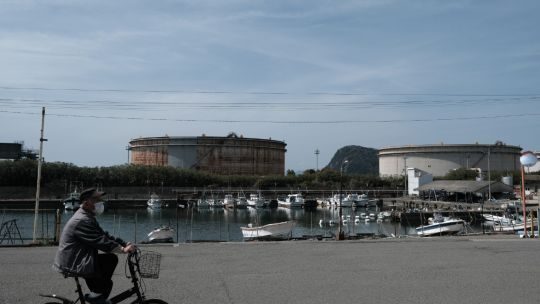
Refiners in Japan, South Korea, and China are purchasing record volumes of Argentine crude to diversify their supply chains and bypass Middle East disruptions caused by the ongoing war.
Processors in Japan, South Korea, and China have increased their purchases of Argentine crude oil in recent weeks. This surge in demand comes as the ongoing war in Iran disrupts traditional Middle Eastern supply routes and forces buyers to secure alternative barrels.
Japan’s Eneos Holdings and Taiyo Oil bought the Medanito grade for the first time, alongside South Korea’s Hyundai Oilbank and Chinese majors PetroChina and Shaanxi Yanchang Petroleum. Consequently, Argentine crude exports to Asia have averaged a record 35,000 barrels per day this year through July, more than five times the 2025 average.
While these volumes remain small compared to global giants, the shift highlights a strategic push by Asian refiners to bolster energy security. Total Argentine exports average 215,000 barrels per day this year, with the United States and Chile historically receiving the majority of the barrels.
The Medanito grade offers a distinct logistical advantage because it travels around the southern tip of South America and across the Pacific Ocean. This route allows the oil to reach Asian ports without transiting the Panama or Suez canals, avoiding major geopolitical chokepoints.
Financially, the crude is also attractive to processors looking to manage input costs. Medanito trades at a discount of roughly US$1 to US$2 per barrel compared to US West Texas Intermediate, a similar-quality benchmark that has seen elevated demand since the conflict began.
On Friday, Argus Media assessed the grade at a US$1 discount to ICE Brent, marking the narrowest spread since mid-June. This tightening discount reflects the growing competition for non-Middle Eastern crude among global buyers.
A spokesperson for Hyundai Oilbank confirmed the company imported the crude in August. They stated they will "consider additional imports after reviewing their economic viability and compatibility with our facilities," while representatives for the other buying refiners declined to comment.
The long-term growth of these exports will depend on resolving current maritime infrastructure constraints. Argentine ports are currently limited to loading Aframax vessels rather than very large crude carriers, but the upcoming Vaca Muerta Oil Sur project aims to change this.
Scheduled to come online next year under President Javier Milei's administration, the project includes a new crude pipeline and a deepwater terminal capable of berthing the largest tankers. This infrastructure upgrade is expected to significantly boost Argentina's ability to supply global markets.