US Mortgage Rates Reach 6.87% Amid Middle East Tensions and Rising Oil Prices
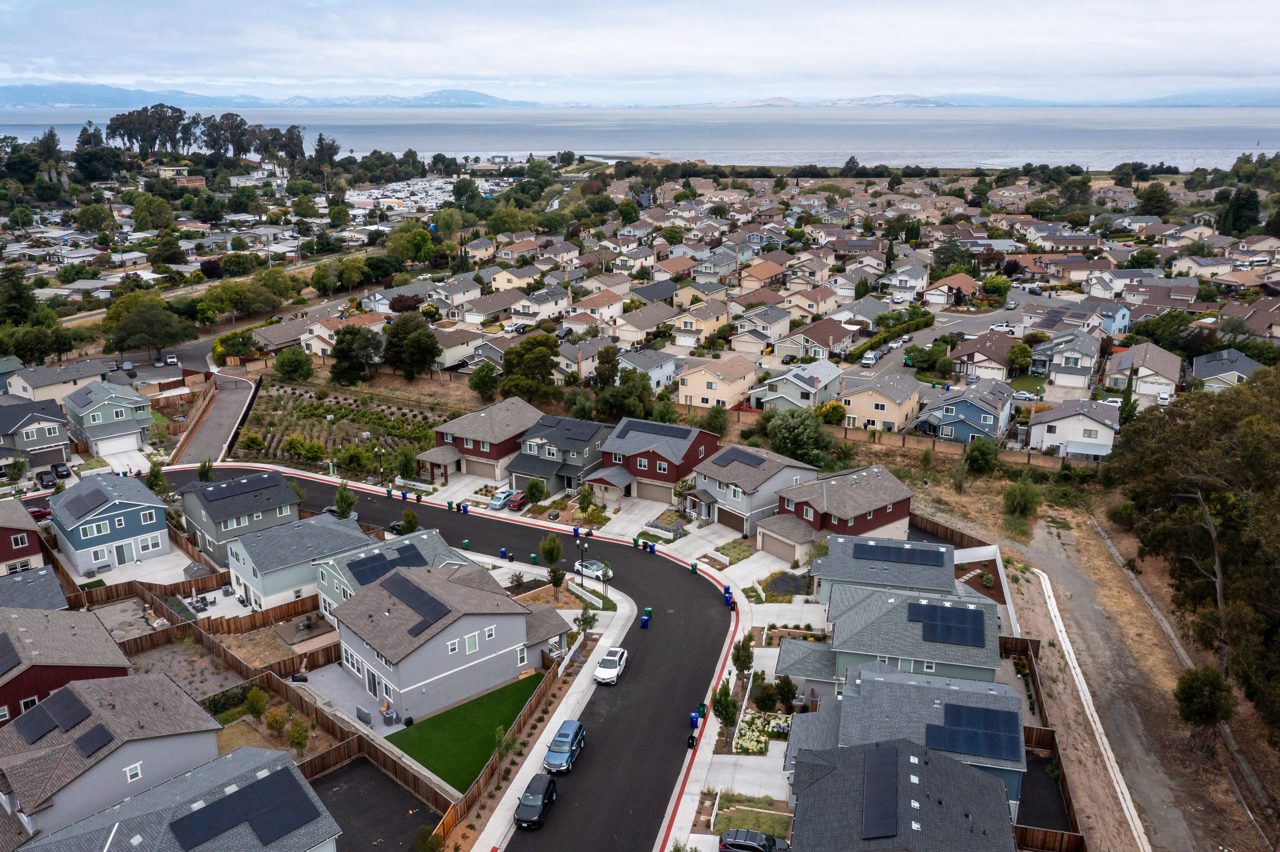
Renewed hostilities in the Middle East have driven oil prices and bond yields higher, pushing the average 30-year mortgage rate to 6.87 percent and threatening to further constrain the US housing market.
On Monday, the average rate for a 30-year fixed mortgage rose 6 basis points to 6.87 percent. This represents the highest level seen since June 2025.
The surge follows renewed hostilities in the Iran war, which have driven oil prices and bond yields upward. This geopolitical shift has upended earlier market expectations for declining borrowing costs throughout the year, forcing investors to recalibrate their fixed-income and real estate outlooks.
Rates have now risen 12 basis points since Thursday and more than 30 basis points over the past two months. For context, the 30-year fixed rate stood at 5.99 percent at the end of February, just before the conflict began.
Matthew Graham, chief operating officer at Mortgage News Daily, observed that rates have not "exploded with surprising, new momentum." He characterized the recent movement as a "slow grind fueled by the usual suspects: inflation expectations, elevated bond issuance, and economic resilience."
These financing costs directly impact affordability for prospective homebuyers. For a buyer purchasing a median-priced home of $450,000 with a 20 percent down payment, the monthly principal and interest obligation now totals $2,363.
This represents a $207 monthly increase compared to late February. Beyond the immediate payment shock, elevated rates tighten the debt-to-income ratios lenders rely on for safe underwriting, automatically disqualifying a broader segment of potential borrowers.
Supply Constraints Compound Pressure
The borrowing squeeze coincides with accelerating home prices in several regions due to lean inventory. Nationally, home prices rose 1.5 percent year over year in June, an acceleration from the 1.2 percent gain recorded in May, according to the S&P Cotality Case-Shiller home price index.
Rebecca Kaufman, associate director of commodities at S&P Dow Jones Indices, highlighted the resulting market dynamic. She explained that high financing costs mean current homeowners "remain reluctant to give up the low mortgage rates secured in prior years."