Adani Stocks Slide as MSCI Rebalancing and Global Rate Fears Rattle Markets
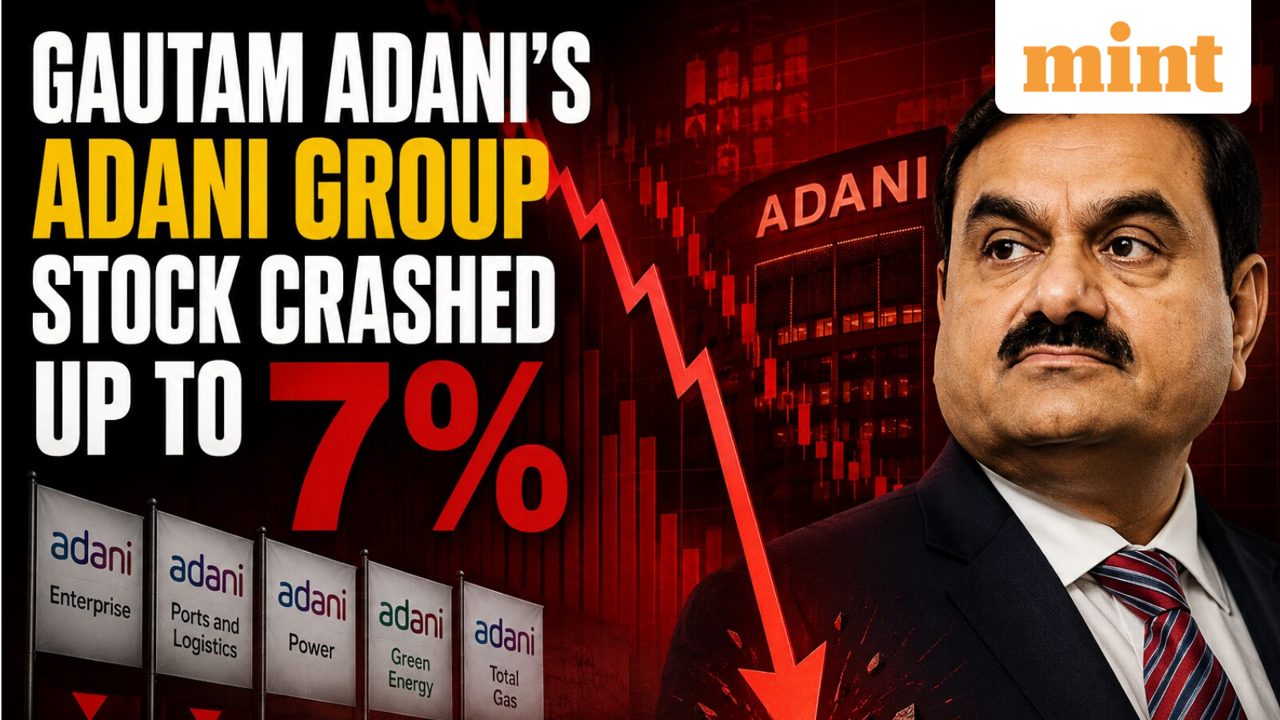
Adani Group equities faced heavy selling pressure alongside broader Indian market declines, driven by MSCI index rebalancing volatility and rising global bond yields following hawkish Federal Reserve commentary.
Adani Group stocks experienced sharp declines on Monday, with major subsidiaries shedding up to 8 percent in value. Adani Enterprises led the drop, falling nearly 8 percent to 2,921 rupees, while Adani Energy Solutions, Adani Green Energy, and Adani Power slipped 7.4 percent, 7 percent, and 6.5 percent, respectively.
The sell-off coincides with heightened volatility surrounding the Morgan Stanley Capital International index reshuffle. Despite the immediate price weakness, the rebalancing is projected to trigger significant passive fund inflows, including an estimated $310 million for Adani Energy Solutions and $202 million for Adani Enterprises.
Adani Energy Solutions is among several companies being added to the MSCI Global Standard Index after market close on August 31. Furthermore, the index provider increased the weightings of existing Adani constituents, including Adani Ports and Adani Power, which typically prompts automated buying from benchmark-tracking exchange-traded funds.
This corporate-specific volatility unfolded against a subdued backdrop for Indian equities. The benchmark Nifty 50 fell 95 points to close at 24,080, hovering just above the critical 24,000 support level, while the BSE Sensex declined 307 points to 76,957.
Domestic markets mirrored weakness in global equities after hawkish commentary from the US Federal Reserve. At the Jackson Hole economic symposium, Warsh warned that policymakers might need to raise interest rates if inflation does not convincingly return to the central bank’s 2 percent target.
“The Fed will have work to do if policymakers don't get the confidence they need that inflation is heading down to 2%,” Warsh stated. Following these remarks, the US 10-year bond yield climbed to 4.74 percent, marking its fourth consecutive daily gain, while the 30-year yield extended its advance to 5.22 percent.
Adding to investor uncertainty, geopolitical tensions escalated after the United States and Iran traded attacks for the first time since July. US President Donald Trump subsequently posted an AI-generated video depicting the destruction of Iran’s Kharg Island oil hub, leaving markets to parse whether the clip was a direct threat or reflected ongoing operations.
The geopolitical friction immediately impacted energy markets, pushing crude oil prices higher by more than 2 percent. This combination of rising yields, geopolitical risk, and index rebalancing continues to test investor conviction in emerging market equities.