Iran's state driller logs 1,900 ops as energy assets hit

National Iranian Drilling Co. is expanding services and modernising its fleet to sustain oil output capacity amid rising military strikes on the country's energy infrastructure.
National Iranian Drilling Co. (NIDC) completed 1,900 drilling operations in the first 110 days of the Persian calendar year. This represents a significant ramp-up in activity aimed at sustaining the country's oil production capacity.
The state-run contractor performed 402 specialized drilling services alongside 1,498 broader technical operations for client companies. The technical work included 517 cementing jobs, 543 injectivity tests, 109 drill stem tests, and 34 large-scale acidising operations. In its specialized drilling division, the company drilled 6,440 metres of directional and horizontal wells.
Fleet upgrades
NIDC is simultaneously executing a comprehensive programme to rebuild and modernise its drilling fleet and engineering equipment. CEO Morteza Fouladi told IRNA on July 16 that expanding engineering services and upgrading hardware are central to strengthening the company's role in the national oil sector.
“The initiative is aimed at improving operational efficiency, increasing revenue and providing better services to oil and gas operators,” Fouladi said. The company executes projects for Iran's largest oil and gas producers using a fleet of 74 rigs.
As a subsidiary of the National Iranian Oil Co. (NIOC), NIDC’s operational health is directly tied to Iran’s ability to maintain crude output. The Ahvaz-based company provides more than 90% of the country's drilling services across light, heavy, and ultra-heavy onshore and offshore rigs.
Geopolitical risk
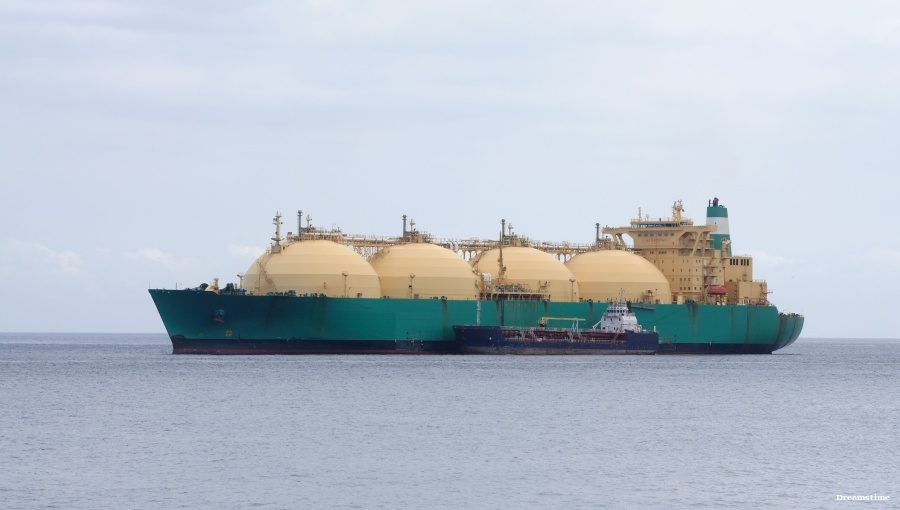
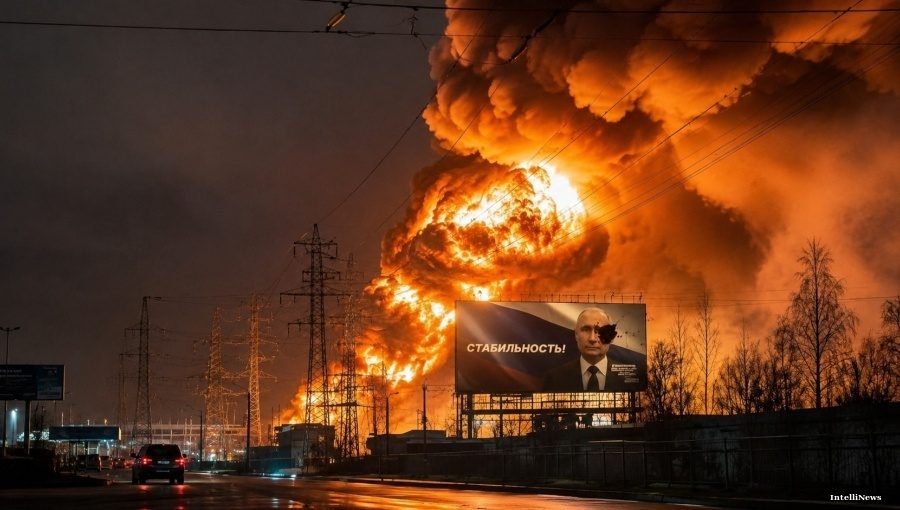
This domestic operational drive unfolds against a rapidly deteriorating security environment for Iranian energy infrastructure. The US military attacked a commercial tanker heading toward Iran's Kharg Island export terminal in the Persian Gulf on July 16.
Two days prior, a power plant on Kish Island was damaged in an attack attributed to the United States. Furthermore, Washington and Tehran have traded claims over control of the Strait of Hormuz following a weekend of regional attacks.
For oil markets and investors tracking Middle Eastern supply, the dynamic presents a dual risk. NIDC is actively working to modernize upstream production, while downstream export infrastructure and regional shipping lanes face immediate military threats.