Kalshi withdraws flight cancellation contracts over manipulation risks
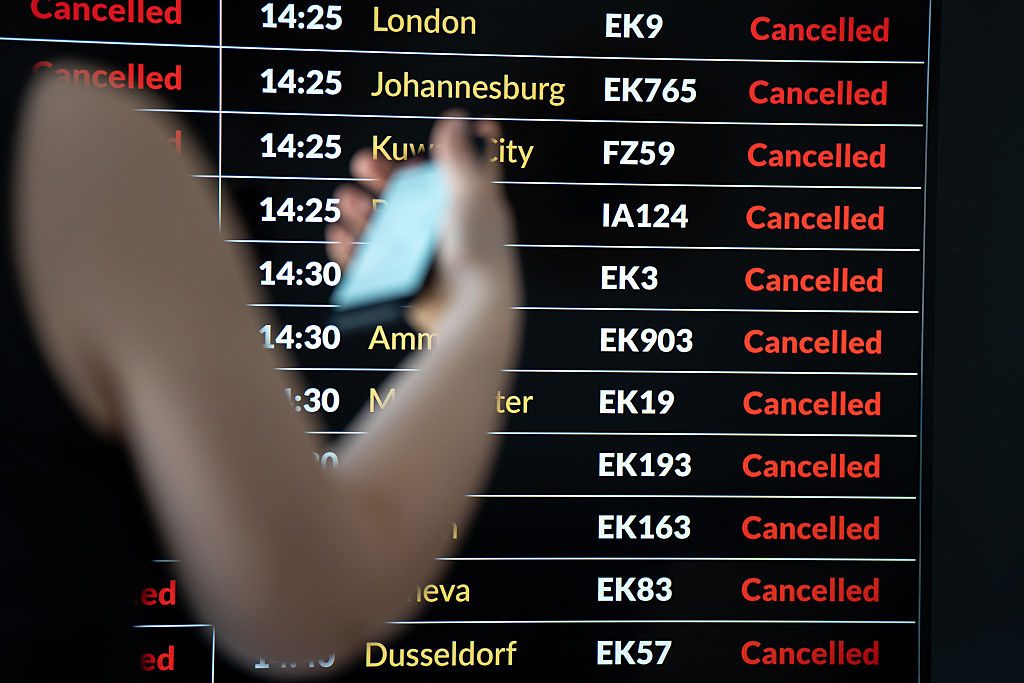
Kalshi has abandoned its planned flight cancellation contracts after a data provider blocked access and critics raised moral hazard concerns, highlighting the regulatory friction facing prediction markets.
Kalshi has abandoned plans to list contracts allowing users to wager on flight cancellations. The platform had scheduled the offering to launch on Wednesday, according to a regulatory filing, but a spokesperson confirmed on Thursday the company would not proceed.
The reversal followed immediate pushback from tracking service FlightAware, which stated Kalshi could not use its data to settle the wagers. It also coincided with a wave of social media criticism suggesting the contracts could incentivize bad actors to deliberately disrupt airport operations to collect payouts.
The platform had structured the contracts around airport-wide cancellations rather than targeting individual flights. A Kalshi spokesperson noted that insiders, including TSA agents and airport or union officials, were explicitly prohibited from placing wagers. The company also argued that FlightAware’s data restrictions were baseless because the information is publicly available.
For corporate users, prediction markets are increasingly viewed as hedging instruments. Kalshi pointed out that conference organizers and others whose business is highly sensitive to disruptions could use the contracts to offset losses at notoriously unreliable hubs like Denver and Newark. However, the market design faced intense skepticism over moral hazard.
Critics warned that the potential payouts might encourage airport workers to collude on cancellations or individuals to call in fake threats. The practical risk of manipulation may have been overstated given the strict bans on insider trading and severe existing criminal penalties for airport hoaxes. Nonetheless, the perception of risk was enough to derail the product.
Regulatory scrutiny mounts
The flight contract saga is the latest controversy to hit the broader prediction market sector. While proponents argue these platforms generate valuable market intelligence, detractors continue to frame them as vehicles for reckless gambling and mischief.
The scrutiny facing Kalshi intensified on Thursday when reports emerged that Donald Trump’s longtime teleprompter operator had illegally used the platform to bet on which words the President would say in a given speech. Kalshi’s lawyer stated the company detected the suspicious trades and reported them to the Commodities and Futures Trading Commission.
For the prediction market industry, the failed flight launch underscores the difficulty of translating real-world events into tradable derivatives without triggering public backlash.