Burnham's energy market choices to shape UK economy
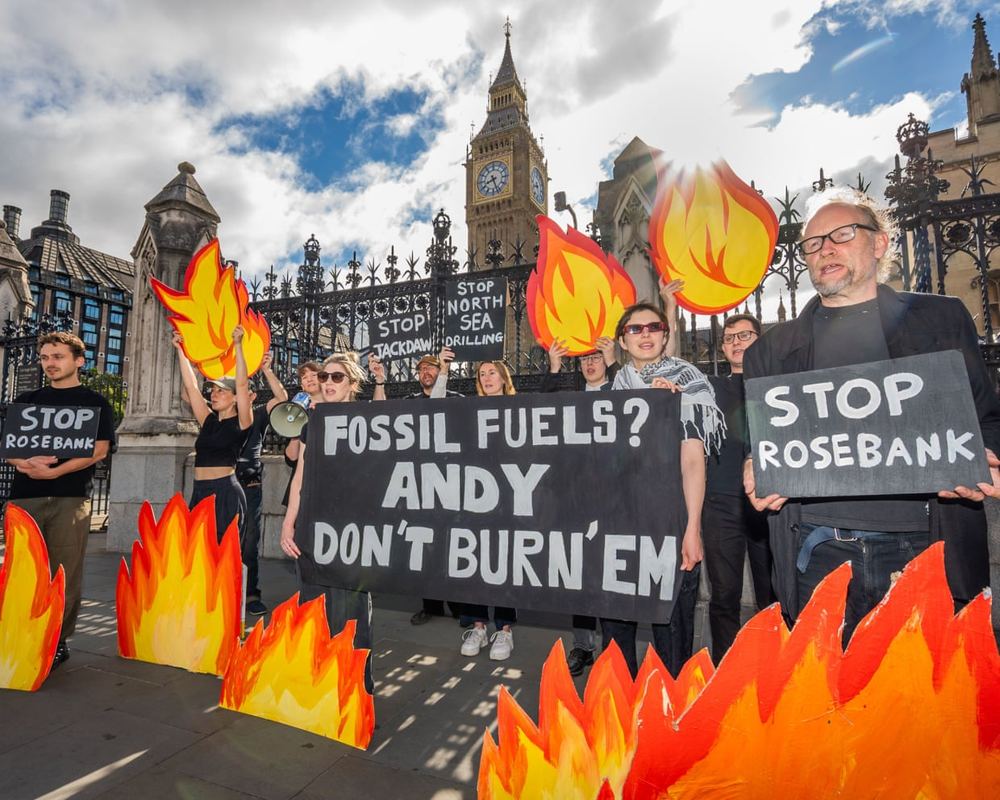
Andy Burnham's arrival at No 10 places the reform of the UK's energy pricing mechanism and the future of North Sea drilling at the centre of his economic strategy.
Andy Burnham has taken office as UK prime minister at a moment when the economic toll of volatile energy markets and climate impacts is forcing his hand on structural reforms. Three heatwaves this year have already cost British businesses at least £2.4bn in lost productivity and killed roughly 2,700 people in England and Wales. A potential fourth poor harvest since 2020, compounded by forecasts of a fossil fuel-driven "super El Niño", threatens to push food prices higher still.
The Confederation of British Industry has warned that high energy prices are crippling the broader economy. Yet, the low-carbon sector already represents a £100bn annual economy supporting more than a million above-average-paying jobs. Investors are watching Burnham's cabinet appointments for signals on whether he will back this growth or bow to pressure to water down green policies.
Ed Miliband, the current energy secretary, was considered for chancellor, but rivals suggest Shabana Mahmood has secured the post, a potential setback for aggressive climate action. "Having Miliband in some position of power would be a greater win for the climate than what happens to Jackdaw," noted one expert.
The immediate test is the Jackdaw gasfield, where a consultation runs until August 8. Speculation suggests Burnham might green-light the project, alongside the Rosebank oilfield, to appease rightwing factions and unions, allowing them to bypass Labour's manifesto ban on new licences.
Approving new drilling would defy economic consensus. Fatih Birol, head of the International Energy Agency, has stated that new North Sea fields will not reduce UK fuel prices or stimulate growth. "He needs to confront the reality that no amount of North Sea drilling will bring down energy bills," argues Ed Matthew, UK director of the E3G thinktank.
Instead of expanding supply, market reform is the lever that could actually deliver savings. Matthew argues Burnham must stop gas from setting the price of electricity and remove all levies on electricity bills for households and industry. "That would turbo boost the UK economy and deliver real savings for households," Matthew said.
Burnham's "Manchesterism" philosophy favours reindustrialisation and public control of utilities. His record in Manchester includes a 2038 net-zero target, bus electrification, and home insulation. However, he paused a clean air zone in 2022 after opposition, wasting roughly £100m.
Robbie Macpherson, a Harvard Kennedy scholar, argued the economic incentives align with green policy. "Cheaper energy, economic growth, good jobs and five more years in power is the prize [for Burnham]," he said. The incoming administration must now decide whether to chase the immediate political optics of new drilling or pursue the structural market reforms required to lower business costs.