US legislative agenda stalls as Trump demands election bill
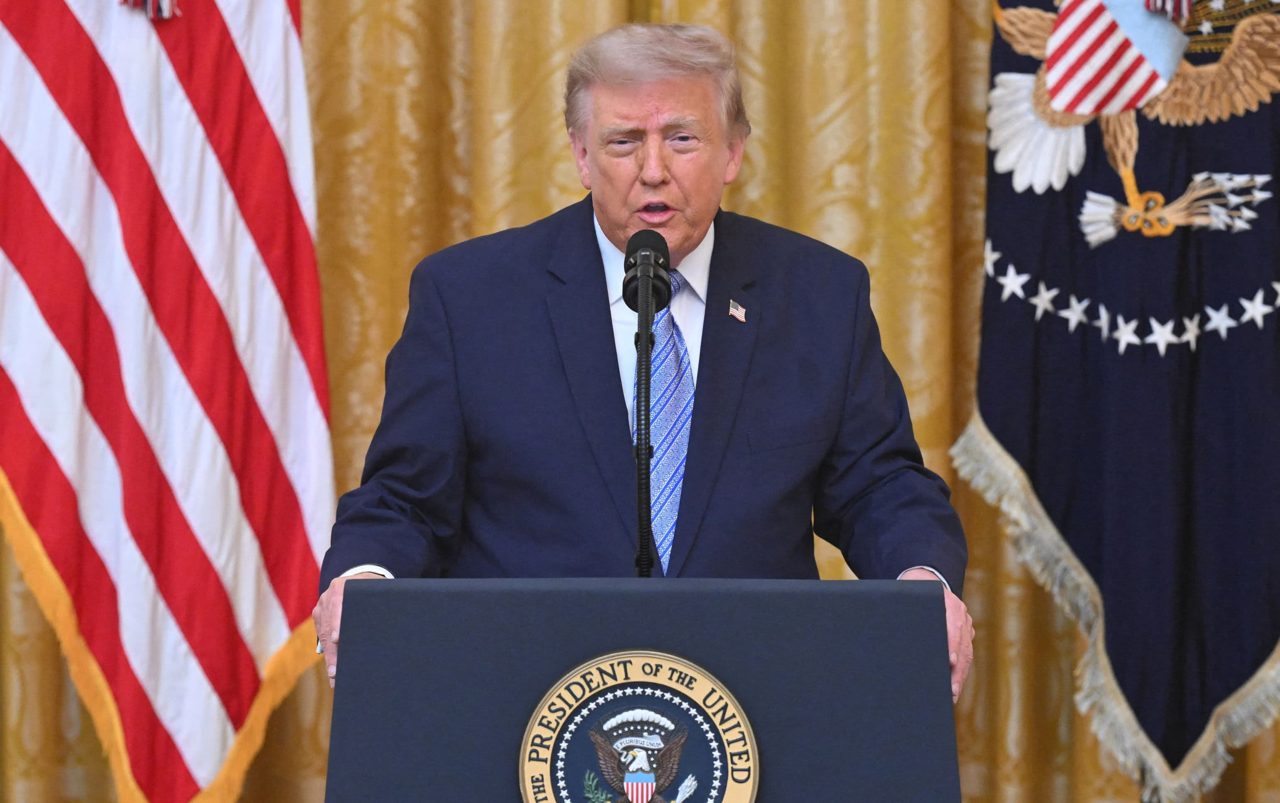
President Trump has frozen the US legislative agenda by refusing to sign any bills until Congress passes a controversial election law, injecting policy uncertainty ahead of the November midterms.
President Trump used a national address Thursday night to push unverified claims of Chinese election meddling, but the concrete impact for markets lies in his pledge to block all other legislation until Congress passes a controversial election bill.
Trump has made the "SAVE America Act" his top priority, refusing to sign other bills into law until it reaches his desk. The legislation requires photo identification to vote and proof of citizenship to register, measures opponents argue would disenfranchise low-income voters and people of color.
The bill currently lacks the votes to clear Congress. However, Trump's Republican allies in the House have stalled other measures to pressure for its passage, effectively freezing the broader legislative agenda and preventing other bills from reaching the president.
This legislative gridlock is unfolding against a backdrop of mounting political risk for the ruling party. The party holding the White House historically underperforms in midterm elections, and current polls show Democrats are favored to retake the House.
A Democratic majority would likely bring aggressive oversight investigations, a prospect Trump has publicly expressed concern about. Public polling indicates voter frustration is currently driven by negative views on the economy and the Iran war, factors that typically weigh on investor sentiment and complicate the outlook for fiscal policy.
To justify his legislative demands, Trump claimed during his speech that a Department of Homeland Security review found 278,000 non-citizens registered to vote, though he did not claim they actually cast ballots. He also alleged newly declassified documents show China acquired 220 million voter files.
Those claims directly contradict a 2021 U.S. intelligence community assessment, which stated Beijing did not interfere with election infrastructure or deploy efforts to change the outcome of the 2020 race.
The administration's focus on election claims extends to the courts, where the Department of Justice has filed numerous lawsuits seeking detailed voter registration data. More than a dozen of those cases have been dismissed by federal judges so far.