US Secures Majority Control of 65 Billion Barrels of Venezuelan Oil Reserves
The agreement promises to more than double US petroleum reserves and inject $100 billion into Venezuela, though private investors remain cautious about infrastructure risks.
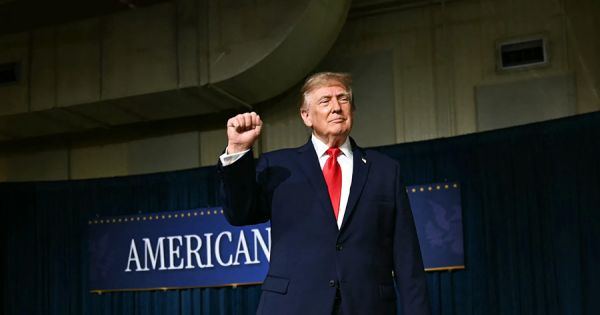
The United States has secured majority control over 65 billion barrels of proven petroleum reserves in Venezuela, President Donald Trump announced Friday. The agreement, which was swiftly confirmed by the Venezuelan government, is structured as a partnership with private businesses to develop the fields.
US Secretary of State Marco Rubio stated the arrangement will channel nearly $100 billion in private investment into the South American nation. For the United States, the transaction would more than double domestic oil reserves at a time when the strategic petroleum reserve sits at a 40-year low.
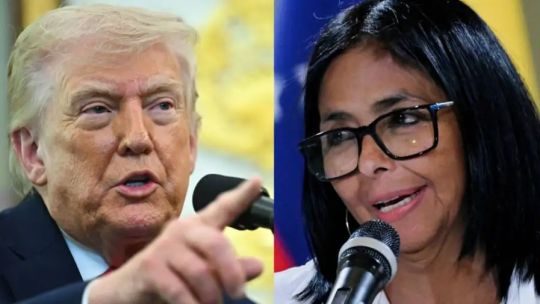
The deal follows the US ousting and capture of longtime Venezuelan ruler Nicolás Maduro in January. Interim leader Delcy Rodríguez, who remained in power by aligning with US demands, hailed the agreement for its potential to generate more than $209 billion in state tax revenue.
Investor Caution and Market Realities
Despite the massive scale of the proposed capital injection, US energy companies remain wary of expanding their footprint in the country. Decades of dilapidated oil infrastructure and the Caracas government’s history of appropriating foreign investor assets continue to pose significant operational and financial risks.
Chevron currently stands as the only US oil company that maintained operations in Venezuela prior to Maduro’s removal. In July, the company reported raising its daily crude production to 280,000 barrels, with plans to increase that output by 50 percent by the end of 2028.
Trump has framed the agreement as a direct mechanism to lower domestic gasoline prices for American citizens. This is a critical issue as his approval ratings decline ahead of the November midterm elections, compounded by a recent war on Iran that has disrupted global energy supplies.
Rubio emphasized that the deal demonstrates how the administration's foreign policy is securing stable reserves and low-cost oil in the hemisphere. However, the reliance on private firms to execute the redevelopment of a dozen productive oil fields will test the limits of corporate risk appetite in the region.