Kazakh Refineries Restrict Fuel Exports to Russia Amid Sanction Risks
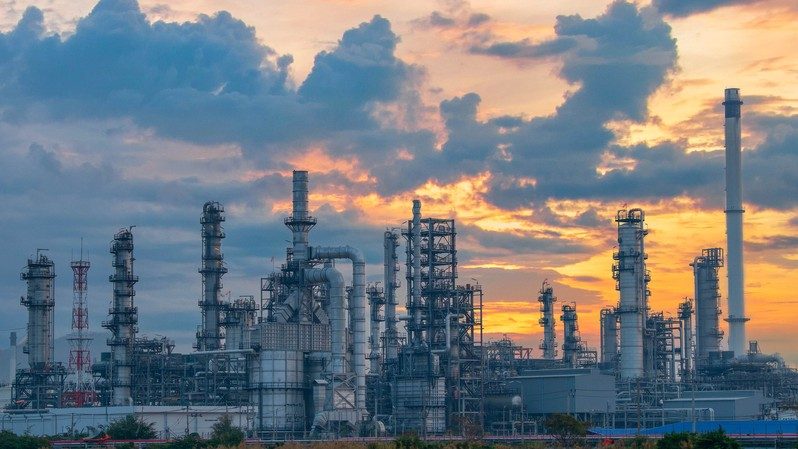
Kazakhstan is limiting refined fuel exports to Russia to avoid secondary sanctions and meet domestic demand, deepening the supply crunch for Moscow’s war economy.
Kazakhstan’s largest refineries have declined to export oil and gas products to Russia, despite prior approvals for shipments totaling 17,500 tons of gasoline. This refusal highlights Astana’s growing reluctance to enable Moscow’s war economy amid Ukraine’s sustained drone campaign against Russian energy infrastructure.
Astana's reluctance is driven by the threat of secondary sanctions for facilitating the Russian war effort. The country is also grappling with record domestic energy demand this summer, leaving minimal surplus for cross-border shipments.
However, Kazakhstan is not entirely severing energy ties with its northern neighbor. Energy Minister Yerlan Akkenzhenov confirmed on August 27 that a smaller facility in the West Kazakhstan region will continue to refine Russian crude.
A rail shipment of approximately 4,100 tons of Russian crude oil arrived at this refinery earlier in the month. The facility is expected to ship the bulk of the finished products back to Russia.
This limited arrangement will do little to ease Russia’s severe crude refining crunch. Energy analysts project a steep decline in Russian output, compounding the logistical and economic strain on Moscow.
Refining Crunch Deepens
In an August 27 assessment, Rystad Energy estimated that Russian refinery output will fall 30 percent in the second half of 2026. This represents a sharp drop compared to seasonal averages dating back to 2016.
The firm noted that Russia “has little scope to absorb further supply disruptions, with onshore crude inventories already at levels where sustained production cuts become increasingly difficult to avoid.” This inventory squeeze leaves Moscow highly vulnerable to additional shocks.
The analysis further warned that the nation's production outlook is increasingly constrained. It stated that "aging, high-water-cut wells remain offline for longer, reducing effective spare capacity, while a lack of sizeable greenfield developments limits its ability to offset declines from mature fields after 2027."
Beyond energy policy, Kazakhstan is actively signaling that it will not be easily pressured by the Kremlin. Astana is currently mounting its largest-ever military exercises, known as Batyl Toitarys 2026, or Decisive Repulse.
A Defense Ministry statement noted that the drills will focus on "practicing troop deployment and inter-service coordination within a unified operational environment, encompassing land, air, maritime and cyber domains." Officials are paying particular attention to adapting ground troop tactics to drone-led warfare.
The General Staff has also "ordered the provision of additional elements to protect personnel from unmanned aerial vehicles and other modern weapons," according to the DKN media outlet. This military posturing underscores the delicate balancing act Astana faces in managing its relationship with Moscow.