Mexico eyes $275m tourism risk as Sheinbaum visits Riviera Maya
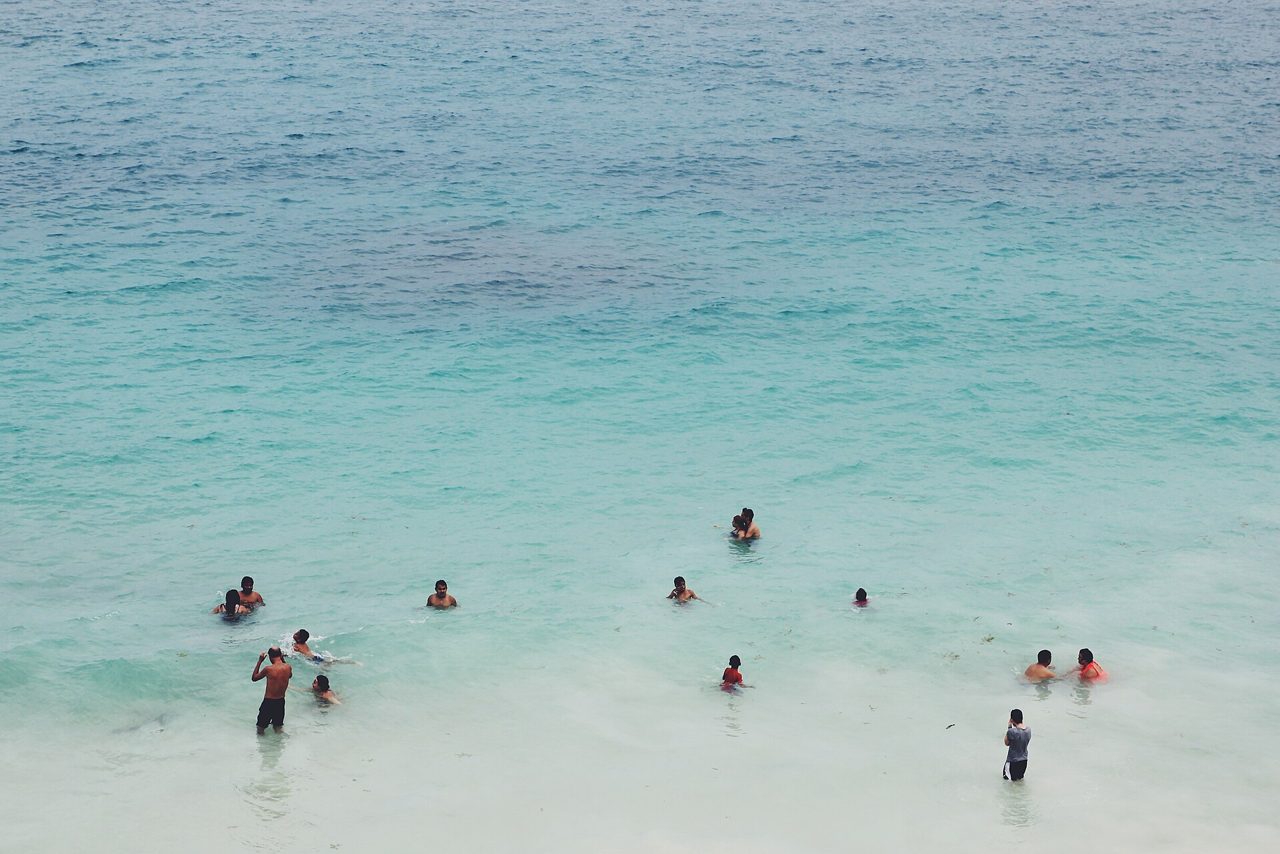
President Claudia Sheinbaum is deploying federal agencies to address a park access dispute and looming seaweed invasion threatening up to $275 million in annual tourism revenue along Mexico’s Caribbean coast.
President Claudia Sheinbaum will travel to Tulum, Playa del Carmen and Cancún this weekend to manage a brewing crisis for Mexico’s Caribbean tourism sector. Public beach access is legally guaranteed under Mexico’s 1917 Constitution, a point Sheinbaum has emphasized as her administration steps in.
Parque del Jaguar, managed by an enterprise linked to the defense ministry, has become a major friction point for visitors. Foreign tourists face fees of up to 415 pesos, sparking protests that recently blocked the main highway connecting the resort towns. Governor Mara Lezama has pledged free year-round access to Santa Fe, Pescadores, Maya and Mangle beaches, but the pricing controversy at the federal park is already deterring visitors.
Compounding the access dispute is the early arrival of sargassum, which typically peaks between May and October. The federal government has previously estimated the seaweed could reduce tourism in Quintana Roo by 30%, inflicting economic damage of roughly 5.3 billion pesos ($275 million). In a recent period, more than 522,226 tonnes of sargassum were removed from the sea and beaches.
The Mexican Navy is currently removing more than 600 tons of sargassum daily from the waters off the Riviera Maya. While current monitoring from January and February shows beaches in Cancún, Playa del Carmen and Tulum are mostly clear, the early onset of the season has raised concerns about the resilience of the region's cleanup infrastructure.
Sheinbaum has instructed Tourism Secretary Josefina Rodríguez Zamora and the defense ministry to form a working group to resolve the park dispute. “Let’s see if what’s being said online is accurate — and if it is, let’s solve it,” she said, demanding fixes to pricing, signage and beach pathways.
A sustained 30% drop in tourist arrivals would ripple well beyond large hotel operators. The Riviera Maya corridor supports a vast ecosystem of real estate investments, coworking spaces and restaurants catering to expats and digital nomads. The president’s intervention aims to prevent regulatory missteps and environmental factors from compounding into a broader regional economic downturn.