Stripe's $53bn PayPal bid targets stablecoin infrastructure
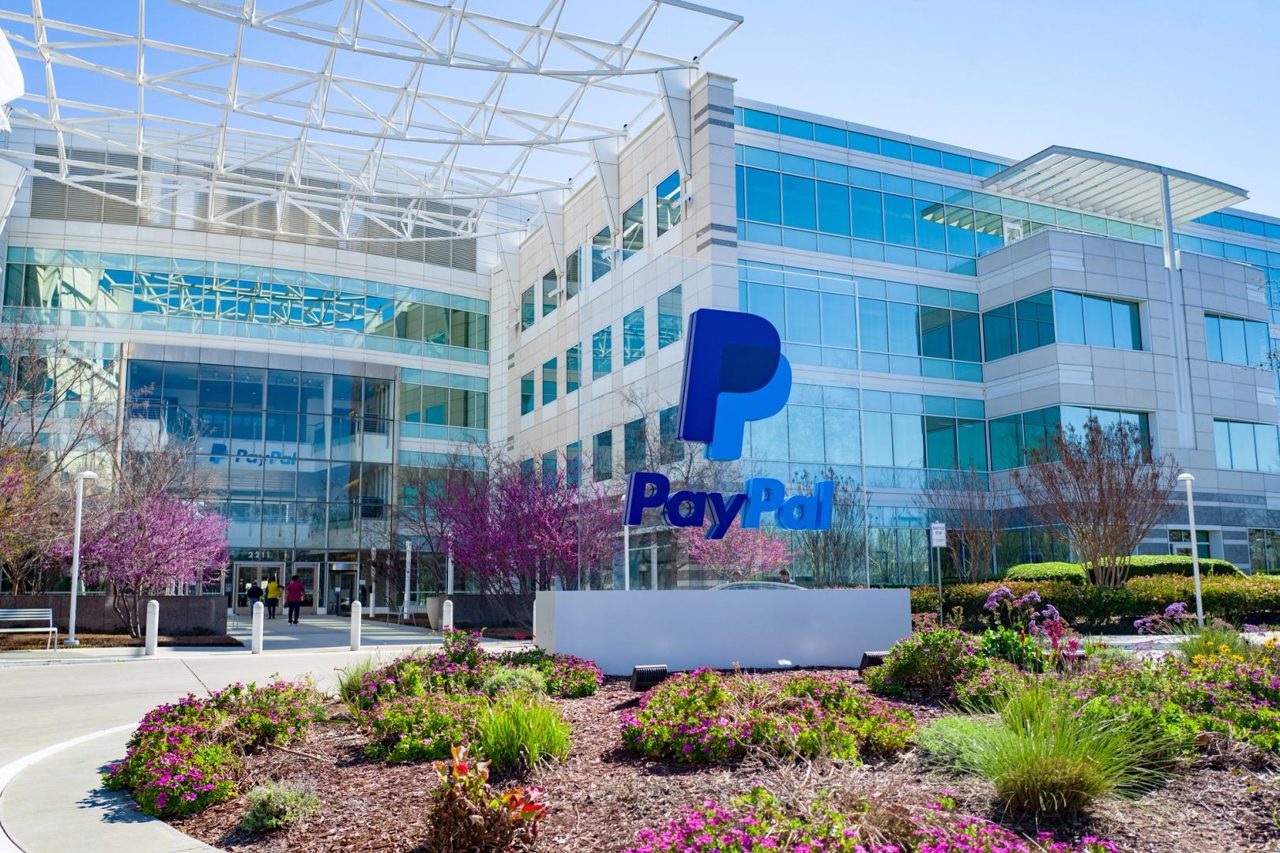
Stripe’s proposed $53 billion takeover of PayPal would create a dominant digital payments network by consolidating the underlying stablecoin infrastructure rather than just acquiring a consumer wallet.
Stripe has proposed a $53 billion takeover of PayPal, a move that would fundamentally reshape the architecture of digital commerce. While PayPal has yet to publicly respond to the offer, market observers note the deal is primarily a play for payment infrastructure rather than a simple expansion of consumer wallets.
"The name on the front of the wallet means far less than whose infrastructure clears the payment behind it," said Torab Torabi, CEO of Movement Labs.
PayPal commands more than 400 million active consumer accounts and owns Venmo. Merging that user base with Stripe’s merchant network would accelerate mainstream stablecoin adoption, but the deeper value lies in consolidating the underlying plumbing.
Stripe has aggressively built out this infrastructure. It acquired stablecoin firm Bridge for $1.1 billion in 2024, launched its own Tempo blockchain network last year, and recently joined the Open USD consortium alongside Coinbase, Mastercard, Visa and BlackRock.
PYUSD's uncertain fate
The acquisition raises immediate questions about PYUSD, the stablecoin PayPal distributes. Analysts are split on whether Stripe would absorb the token or push users toward OpenUSD.
“The incremental addition of PYUSD would produce the first fully vertically integrated private digital dollar stack in the market, encompassing issuance and reserve management, settlement and movement rails and enterprise merchant processing,” Citi wrote in a research note.
James Brownlee, CEO of t-0, expects a transition. "People forget PYUSD is issued by Paxos, not PayPal. My expectation is PYUSD holders get incentivized options to swap for OpenUSD, because Stripe has no reason to pay Paxos for issuance when Bridge does it in-house and OpenUSD is designed to be the default asset across its network."
Torabi disagrees, arguing the existing user base is too valuable to disrupt. "You don't pay billions for that reach and then switch off the stablecoin that people already hold in their wallets."
Pipeline consolidation
For Louisa Bai, head of stablecoins at Mysten Labs, the debate over which token wins misses the larger strategic picture. “It’s who controls the pipes. If Stripe owns PayPal, Bridge becomes the shared infrastructure layer under PYUSD, OpenUSD and Tempo. That's infrastructure consolidation, not token competition, and it's a much bigger deal than the acquisition headline suggests."
This consolidation is unlikely to unseat the market leaders immediately. USDT and USDC hold a combined 84% market share, with USDT alone at 60%.
"Circle and Tether don't lose share overnight,” Bai said. “Their moat is liquidity depth, years of exchange listings that a shared governance model can't force its way into on day one."
Instead, mid-tier stablecoins lacking deep liquidity or commercial distribution face the greatest existential pressure. Any deal will also face intense antitrust scrutiny and navigate a complex new U.S. stablecoin regulatory framework.
The bid arrives as broader crypto markets show renewed activity. Centralized exchange spot volumes climbed 15.3% to $1.11 trillion in June, marking the first monthly increase in five months, while RWA perpetual volumes surged to a record $311 billion.