Verizon to sell 274 stores, cut 500 jobs under new CEO
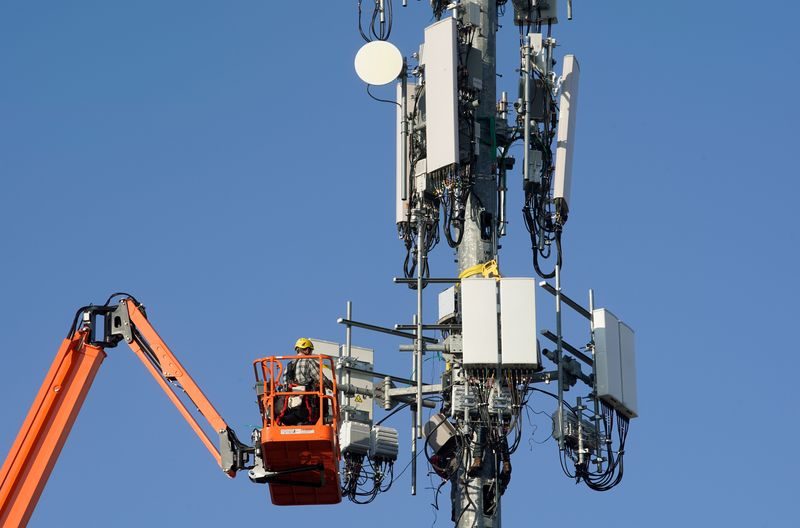
Verizon is accelerating its shift to a franchise-heavy retail model and slashing corporate headcount to protect margins in a fiercely competitive US telecom market.
Verizon will sell 274 company-owned retail locations and eliminate 500 corporate jobs, impacting roughly 3,000 employees across its retail and administrative divisions. The store sales are set to close on August 16, after which the carrier will operate a reduced footprint of 1,000 company-owned locations.
The restructuring marks the latest effort by newly appointed CEO Dan Schulman to trim operational fat. Since November, Verizon has announced more than 13,000 job cuts in its largest single layoff round, alongside the sale of 179 corporate stores. The latest moves signal a decisive pivot away from corporate-owned retail toward a franchise model.
Shifting company-owned locations to third-party operators allows Verizon to shed real estate and payroll burdens while maintaining a physical presence. The carrier noted that roughly 70% of employees at previously sold stores transitioned to the new franchise owners, mitigating local disruption. Currently, six large operators run the vast majority of Verizon's 5,000 franchised outlets.
This aggressive cost management is a direct response to a saturated US wireless market where subscriber growth is hard to come by. Verizon, AT&T, and T-Mobile are locked in a costly battle for market share, relying on heavy device subsidies, aggressive plan discounts, and massive network infrastructure spending to retain customers and attract new ones.
To complement its cost cuts, Verizon is attempting to simplify its consumer offerings. The company recently dropped activation and upgrade fees, introduced simpler plans, and launched a new loyalty program. In a note to staff, the company said it is working with franchise owners "to elevate the experience in every one of their locations because we know how important they are to our overall customer experience."
Beyond retail restructuring, the incumbent carriers are bracing for external disruption. Verizon and its two main rivals agreed in May to form a joint venture deploying satellite technology to cover rural gaps. Analysts view this move as a defensive bulwark against the growing threat posed by SpaceX's Starlink, which could eventually compete directly with terrestrial wireless networks.