Geopolitical Conflicts Disrupt 45 Million Barrels of Daily Global Oil Supply
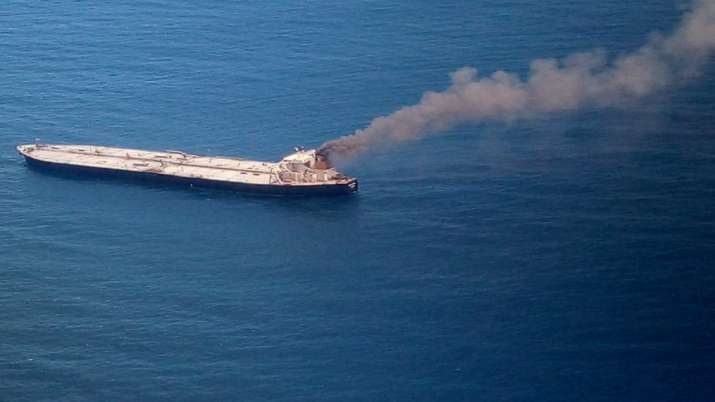
With 43 percent of global oil production located in active conflict zones, tightening refining capacity and falling inventories are forcing a painful economic adjustment and driving inflation higher worldwide.
Active conflicts are currently disrupting approximately 45 million barrels per day of global oil supply, representing 43 percent of worldwide production. This concentration of output in volatile regions is severely compromising physical energy markets and testing the limits of global supply diversification.
The immediate threat has shifted from crude availability to a refined fuel crisis. Global refining capacity has contracted by 10 percent due to the ongoing wars in the Middle East and Ukraine, leaving markets highly vulnerable to downstream shortages.
Europe is bearing the brunt of this refining deficit. The continent’s heavy dependence on imported fuels has driven diesel prices 70 percent higher than their February levels, compounding regional economic strain.
In Eastern Europe, Ukrainian drone campaigns targeting Russian refineries continue to constrain output. Although some facilities have returned online following repairs, Russia’s ban on gasoline and diesel exports remains firmly in place, creating ripple effects for global fuel buyers.
Middle Eastern supply chains face parallel disruptions. Attacks by Yemeni Houthis have forced tankers to reroute, adding transit costs and a persistent war premium to cargo prices. Meanwhile, discussions between Iran and Oman regarding joint management of the Strait of Hormuz offer a tentative signal of potential reopening, despite Tehran’s threats to block exports in response to US sanctions.
These disruptions have amplified global reliance on United States crude and refined products, which in turn depend on heavy crude imports from Canada and Venezuela. Both sources are now showing signs of strain.
Rystad Energy projects Canadian crude production could fall by 300,000 barrels per day in September due to scheduled oil sands maintenance. This seasonal drop is particularly concerning because domestic crude storage is currently at a 12-month low, removing a traditional buffer against supply shocks.
Venezuelan exports are also trending downward, with July averages slipping to 1.16 million barrels per day from 1.2 million in June. This decline stems from depleted storage withdrawals rather than production growth, indicating that export volumes will continue to fall until PDVSA and its international partners accelerate output expansion.
The cumulative effect of these supply constraints is accelerating global inflation. In the United States, energy-driven price pressures have contributed to national debt reaching an unprecedented $40 trillion.
Markets are responding with a renewed push for alternative energy infrastructure, including new pipeline proposals, expanded solar capacity, and subsidized electric vehicle adoption in Europe. However, analysts warn that the transition away from compromised fossil fuel supply chains will be a painful economic adjustment.