Khor Mor Gas Halt Stalls Iraq's Drive to Cut Imports
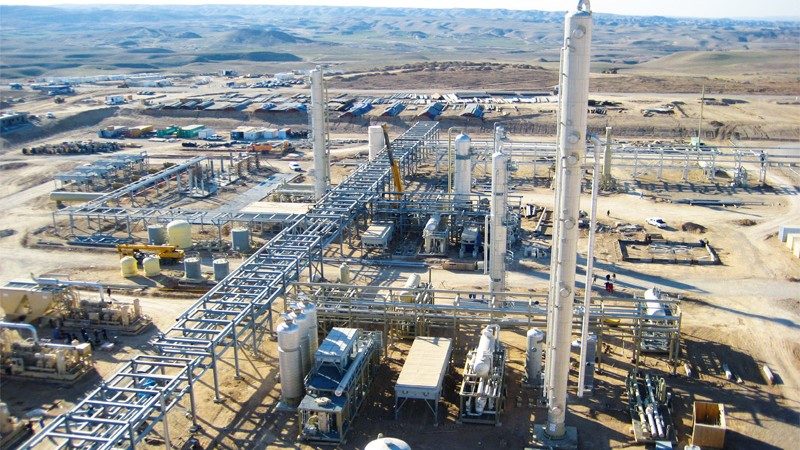
Dana Gas has suspended output at Iraq’s Khor Mor gas field over security threats, halting a critical power supply and stalling Baghdad's strategy to reduce costly Iranian gas imports.
Dana Gas has suspended operations at the Khor Mor gas field in the Kurdistan Region of Iraq following credible security threats. The United Arab Emirates-based energy company took the decision in coordination with the Kurdistan Regional Government, Sulaymaniyah authorities, and the Iraqi federal government. The move is designed to safeguard personnel and infrastructure in an increasingly volatile regional environment.
The shutdown immediately freezes output at a major, recently expanded asset. A $1.1 billion expansion project recently increased the field's production capacity by 50% to 750 million standard cubic feet per day. Khor Mor holds an estimated 8.2 trillion cubic feet of natural gas and stands as Iraq's largest producing non-associated gas field.
The operational pause directly impacts the Pearl Petroleum consortium. Dana Gas and Crescent Petroleum each hold a 35% stake in the venture. Austria’s OMV AG, Hungary’s MOL Group, and DNO split the remaining 30% equally. While Dana Gas has reassured stakeholders the plant can be quickly brought back online, the facility has a history of disruption from rocket and drone strikes. This persistent security threat elevates the operational risk profile for the consortium's investors.
The immediate economic fallout is a severe electricity shortage within the Kurdistan Region. Khor Mor supplies more than 80% of the region's electricity generation needs. The sudden halt in gas deliveries is expected to reduce generation capacity by up to 3,000 megawatts, which will restrict local power availability to just a few hours a day.
Beyond the local grid, the shutdown disrupts a critical national energy strategy. Surplus gas from the Khor Mor expansion was intended for federal power plants outside the Kurdistan Region. This supply was specifically aimed at easing Baghdad’s persistent power deficits and reducing Iraq's costly reliance on imported Iranian gas. The production halt forces Baghdad to continue shouldering the financial burden of those Iranian imports, delaying a key fiscal and energy security objective.