UK Legalises Retail Sales of Plug-In Solar Panels
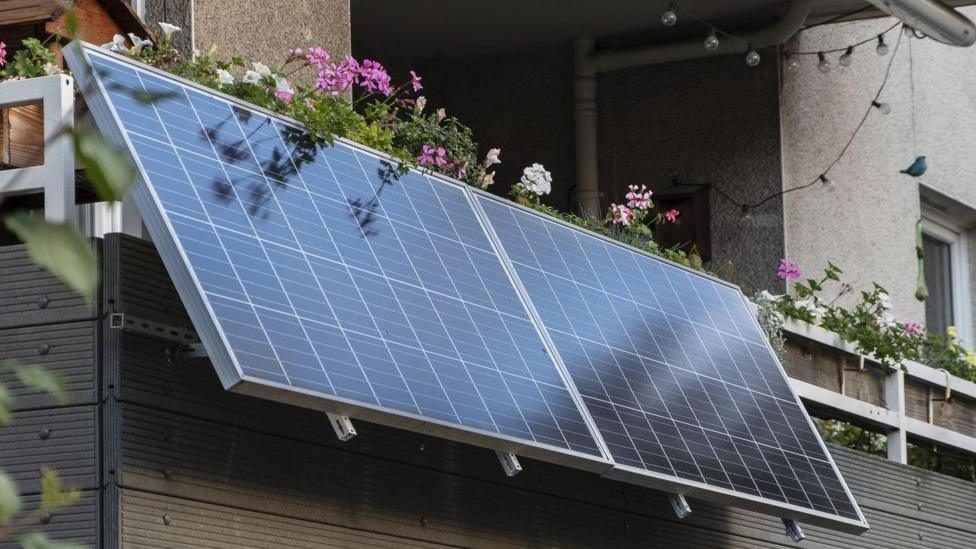
The UK government has authorised the high street sale of plug-in solar panels, creating a new mass-market distributed energy sector aimed at reducing household reliance on volatile overseas fuel sources.
The UK government has changed regulations to permit the legal retail sale of plug-in solar panels, with major high street retailers including Argos beginning to stock the devices this Thursday. This regulatory shift creates a new mass-market entry point for residential renewable energy, bypassing the need for professional roof installation.
The move is designed to insulate households from fluctuating overseas fuel prices, which have recently shifted due to the Middle East conflict. While the devices offer a lower barrier to entry than traditional rooftop arrays, the government projects modest annual bill savings of £70 to £110 per household.
Current pricing for a one-panel kit stands at £699, with two-panel systems at £1,089, according to UK solar company UKSOL. Officials anticipate retail prices will eventually settle between £400 and £600 as market competition intensifies and product iterations expand.
From a grid management perspective, these systems are deliberately capped to ensure stability. A built-in microinverter limits household output to 800 watts, enough to power always-on appliances and cover roughly a fifth of average daytime electricity use. British Gas noted the technology can "meaningfully reduce how much electricity you need to buy during the daytime", though excess power returned to the grid will not qualify for the Smart Export Guarantee.
Because these units fall outside the official Microgeneration Certification Scheme, they present distinct compliance considerations for the market. The government requires all new panels to meet the G98 industry standard and its own product specifications, with compliant models listed on the Energy Networks Association’s public register.
Market participants are being urged to navigate distribution channels carefully to mitigate liability risks. The consumer safety charity Electrical Safety First warned buyers to avoid third-party online marketplaces, as those platforms currently lack legal responsibility for product safety, advising consumers to stick to established retailers.
Widespread adoption may also expose vulnerabilities in legacy residential infrastructure. Experts recommend professional electrical inspections prior to purchase, particularly for older properties, and strictly advise against using extension leads or adaptors due to overheating risks.
Consumers must also notify their local Distribution Network Operator within 28 days of installation. This regulatory framework attempts to balance rapid consumer hardware adoption with the structural realities of the national grid.