AI investment shifts from chips to power as US grid strains

Wall Street is expanding its AI focus from semiconductors to power generation and grid equipment as surging data centre demand pushes US electricity consumption toward record highs and strains infrastructure.
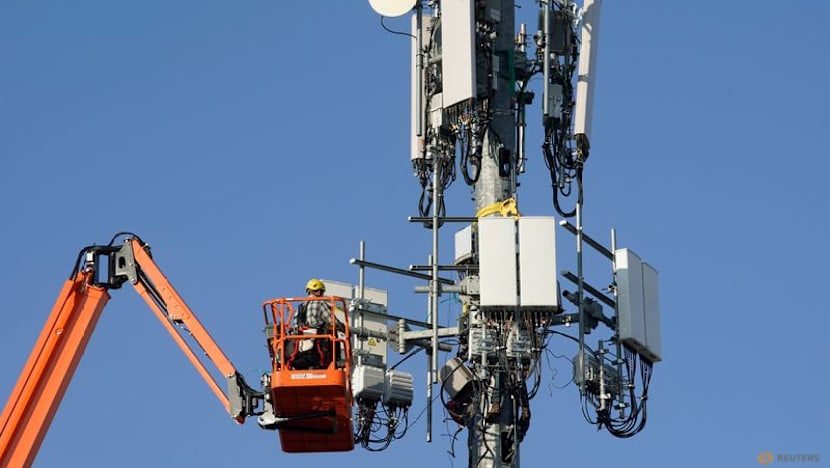
Wall Street is expanding its AI investment thesis beyond semiconductors to include power producers, grid contractors and electrical equipment makers. The pivot comes as the physical infrastructure required to run AI data centres emerges as a critical bottleneck, creating a second leg to the AI boom.
US power consumption is projected to hit fresh records in 2026 and 2027. The US Energy Information Administration expects demand to rise from 4,195 billion kilowatt-hours in 2025 to 4,397 billion kWh in 2027. That demand is already straining the system, with the largest US grid operator, PJM Interconnection, warning of stressed transmission lines.
The strain is most visible in northern Virginia, a major global data-centre hub. During peak summer demand, spot power prices in parts of the PJM network surged from around $30 to more than $300 per megawatt-hour. For investors, this price volatility highlights the financial stakes of the power crunch.
Nuclear and gas-fired plants are attractive to technology firms because they supply power continuously, unlike weather-dependent wind and solar. Power generators like Constellation Energy and Vistra are positioned as direct beneficiaries of this demand. Constellation is working to restart a unit of the Three Mile Island nuclear plant under the name Crane Clean Energy Center after a 2024 power deal with Microsoft, targeting operations for next year following a June regulatory waiver.
However, power prices alone are not yet lifting these specific generation names. Constellation is down over 30% year-to-date, while Vistra has fallen roughly 12% as investors weigh broader market pressures against the long-term demand thesis.
The equipment side of the trade has seen stronger market performance. Schneider Electric has risen 86% this year, while GE Vernova is up 60% and Vertiv has gained nearly 70%. These companies supply the turbines, transformers, switchgear and cooling systems required for data centres, and surging demand is worsening shortages of grid equipment like transformers.
Grid construction offers another angle, with Quanta Services gaining 44% this year on strong 2026 profit forecasts driven by AI infrastructure. The broader trade carries significant risks, however, as valuations are no longer cheap and power projects take years to complete. Furthermore, the White House plans to broker a pledge between utilities and developers to prevent AI power costs from shifting to consumers.