Armenian Vote Risks Stalling Caucasus Trade Corridor
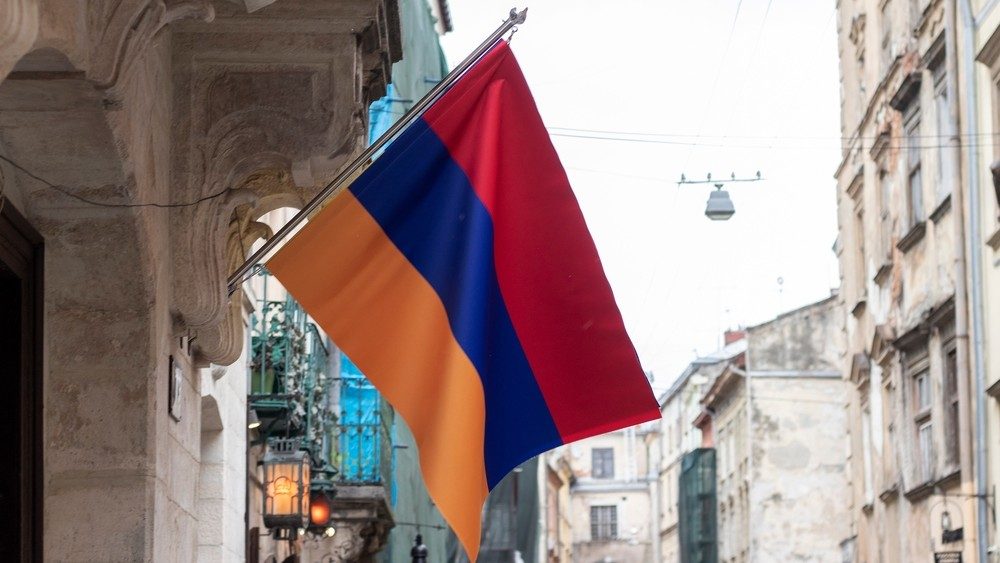
Prime Minister Nikol Pashinyan’s failure to secure a supermajority in Armenia’s parliamentary election complicates a peace deal with Azerbaijan, threatening to delay the stabilization of a vital overland trade route for Chinese and Japanese supply chains.
Prime Minister Nikol Pashinyan’s Civil Contract party secured 49.8% of the vote in Armenia’s June parliamentary election, winning 64 of the 105 seats. While the result firmly rejects Kremlin-aligned opponents, the party fell short of the two-thirds supermajority required to amend the constitution.
That shortfall creates a significant hurdle for regional trade infrastructure. Azerbaijan has conditioned its agreement to a peace deal on constitutional changes to remove the Preamble's reference to a 1990 declaration mentioning the "reunification" of Armenia and Nagorno-Karabakh. Without a constitutionally anchored peace, the South Caucasus remains too volatile for the massive infrastructure capital required to open new transit options.
The economic stakes are immense for Asian economies seeking alternative trade routes. Since 2022, China has poured energy into the Middle Corridor—a trans-Caspian route linking China to Europe via Central Asia and Turkey—to bypass sanctioned Russian railways. With Georgia increasingly tilting toward Russia and a Chinese company recently withdrawing from a deep-water port at Anaklia, a stable Armenia has become a necessary node for Beijing’s logistics network.
Japan’s interests are equally pressing, though rooted in supply chain de-risking rather than Belt and Road competition. Tokyo has deepened ties through its "Central Asia plus Japan" platform to diversify access to critical minerals and energy. A secure Caucasus bridge offers Japanese trading houses a way to bypass both Russian and Chinese chokepoints. This need is compounded by Iran’s weakening regional position, which makes Tehran a less reliable transit partner.
A finalized peace, anchored by the Trump Route for International Peace and Prosperity, would stabilize this corridor on terms largely set by Washington. Pashinyan’s most viable path forward is building a narrow, issue-specific coalition to secure the handful of extra votes needed for constitutional reform. For Chinese and Japanese firms, the success of that effort will dictate whether a viable, de-risked Eurasian trade corridor finally materializes.