Micron Selloff Misses TSMC AI Demand and Auto Supply Pacts

Micron shares fell for a second day as investors misread TSMC's capital expenditure hike as a negative, overshadowing new long-term automotive supply agreements.
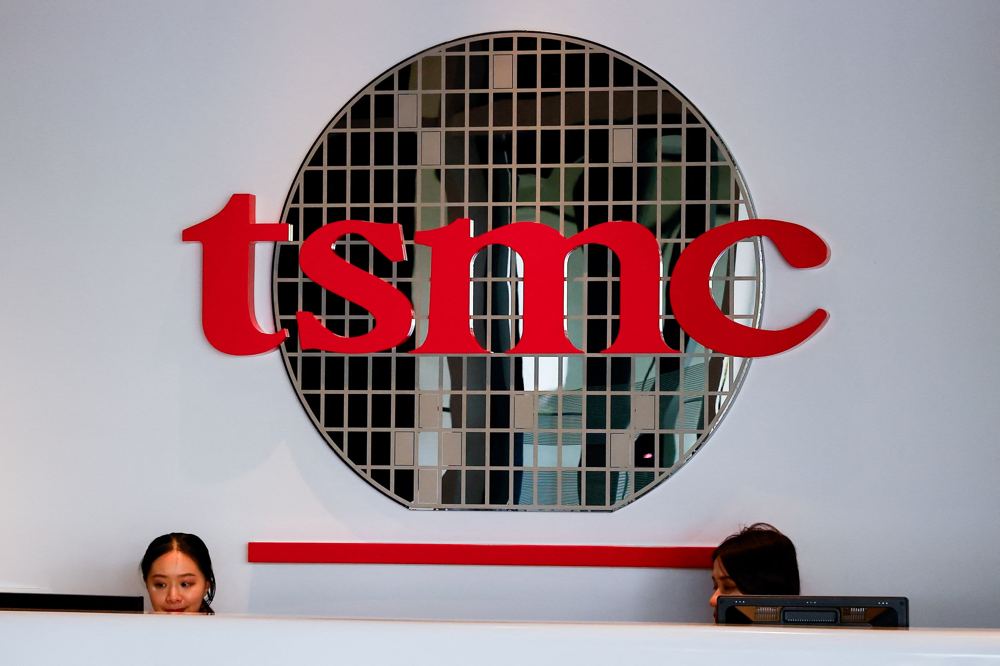
Micron Technology shares dropped 3.2% by 10:15 a.m. ET on Thursday, extending a two-day selloff that appears disconnected from the company’s underlying fundamentals. The decline followed a mixed market reaction to Taiwan Semiconductor Manufacturing Company’s second-quarter results. Despite posting a 77% year-over-year profit increase, TSMC saw its own stock fall 1.5% after raising its 2024 capital investment guidance to upwards of $60 billion from a prior forecast of roughly $54 billion.
Market participants appear to be treating TSMC’s elevated capital expenditure as a near-term cash flow threat, dragging down sector peers like Micron in a correlated sell-off. This logic ignores the mechanical reality of the artificial intelligence hardware supply chain. TSMC is primarily fabricating the advanced CPUs and GPUs required for heavy AI computing workloads, but these processors fundamentally cannot function without high-bandwidth memory (HBM) chips. As a critical HBM supplier, Micron is positioned to see its volume demand and profits rise directly in tandem with TSMC’s increased production capacity.
Separately from the AI sector dynamics, Micron secured concrete forward visibility in the automotive market. The memory manufacturer signed Strategic Customer Agreements with seven key Tier 1 global automotive suppliers. The list includes Qualcomm, Visteon, HARMAN, JOYNEXT, DENSO, Astemo, and Hyundai Mobis.
These contracts provide tangible financial benefits beyond simple revenue guarantees for the chipmaker. Micron noted that the pacts establish crucial certainty for both future orders and pricing. For a historically cyclical memory market, locking in long-term agreements with major automotive suppliers should help insulate the company from sector-wide pricing volatility. Management indicated these deals will help reassure investors that profit margins on automotive chips will remain high for years.
The broader market’s immediate reaction essentially reduces a strategic capacity expansion by a key foundry partner into a punitive memory selloff. For portfolio managers and institutional investors, however, TSMC’s elevated spending signals an accelerating AI infrastructure buildout. Concurrently, Micron’s new automotive contracts demonstrate a successful diversification strategy away from purely consumer-driven cycles. Together, these factors point to a strengthening, multi-sector revenue base rather than a deterioration in Micron’s operational outlook.