Naftogaz Chief Koretskyi Appointed Ukraine PM Ahead of Winter Energy War
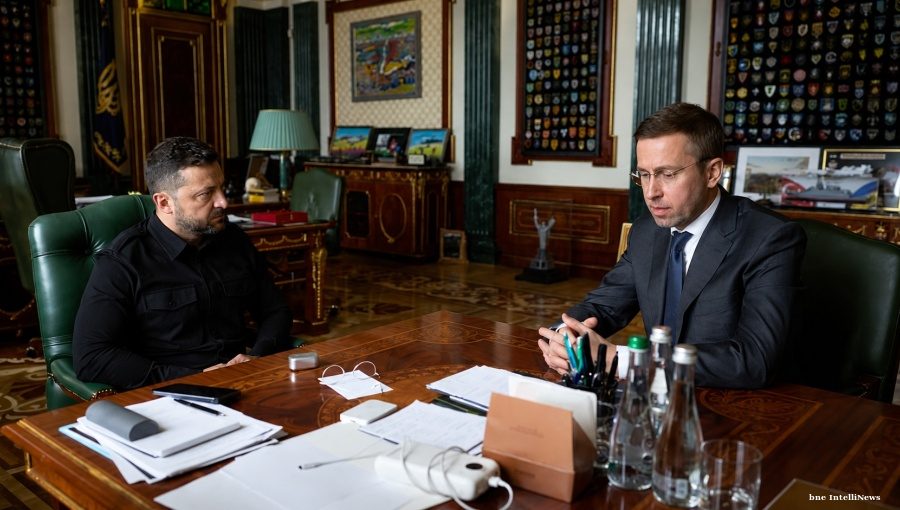
Ukraine has appointed Naftogaz board chairman Serhii Koretskyi as prime minister, shifting the government's focus toward energy resilience and state-enterprise reform as Russian winter attacks loom.
Ukrainian lawmakers approved Serhii Koretskyi as prime minister on July 16, a day after the parliament accepted the resignation of Yuliia Svyrydenko and her entire cabinet. The leadership change comes as President Volodymyr Zelenskiy moves to restructure the government ahead of an anticipated severe winter bombardment of Ukraine's power grid.
Koretskyi’s appointment places an energy executive at the helm of the government precisely when the expanding missile war is dictating economic survival. As chairman of Naftogaz, Ukraine’s biggest contributor to the state budget, he brings a track record of reversing losses at the state-owned oil firm Ukrnafta after it was seized from oligarch Ihor Kolomoisky, who is now facing fraud charges.
The selection signals a pivot toward hands-on pragmatism over political loyalty. Ukraine’s long-range drone strikes have battered Russia’s refining sector, cutting domestic fuel production by at least 13% year-on-year and forcing regional rationing. However, Russia retains an overwhelming advantage in the broader drones-versus-missiles conflict, making the defence of Ukraine's remaining power generation capacity a critical economic priority.
The cabinet overhaul also serves as a political reset to distance the administration from corruption scandals that have damaged relations with Western backers. The European Commission recently downgraded Ukraine to a “B” in its annual reform progress assessment, highlighting investor concerns over graft just as the country relies on foreign funding for recovery.
However, Zelenskiy’s decision to replace Defence Minister Mykhailo Fedorov with Interior Minister Ihor Klymenko threatens to undermine these reform credentials. Fedorov, who exponentially expanded drone procurement and cracked down on military corruption, was viewed by Western allies as the essential reformer in the cabinet. His removal after clashing with the military establishment has already sparked rare public anti-government protests.
Zelenskiy framed the reshuffle as a strategic necessity to protect the economy. “The transformation of state-owned companies, on which Ukraine’s resilience significantly depends, must be accelerated,” he wrote on social media. “Ukraine’s agreements with its partners on recovery also require separate and focused attention.”